
Performance marketing flips the script on traditional marketing methodologies. It’s a data-driven approach where you only pay for tangible results, like clicks, website visits, and sales. Imagine getting more bang for your marketing buck – that’s the power of performance marketing.
In this blog, we’ll dive deep into this results-oriented marketing strategy. We’ll explore its benefits and potential challenges and provide actionable tips to help you get started. Buckle up and learn how to maximize your marketing ROI with performance marketing!
Main Takeaways From This Article:
- Unlike traditional models, performance marketing ensures advertisers pay marketing companies only for successful outcomes.
- Marketing companies must differentiate between performance and affiliate marketing to optimize strategies effectively.
- Performance marketing strategies offer benefits such as cost efficiency, precise targeting, accurate measurement, effortless scaling, and minimized risk.
- Various channels such as SEM, PPC, search engine optimization, affiliate marketing, and social media marketing are essential for a robust performance marketing strategy.
- Brands should utilize tools like TinyURL to track and measure campaign success, enhancing accountability and results.
What Is Performance Marketing?
Performance marketing is a results-driven digital marketing strategy in which advertisers pay only when specific actions, like clicks, leads, or conversions, are achieved. This method uses various channels such as PPC, social media ads, SEM, and email marketing, ensuring cost efficiency and measurable success.
Performance vs. Affiliate Marketing
While performance and affiliate marketing are closely related, there are key differences to note in order to understand how and where each one is most effective.
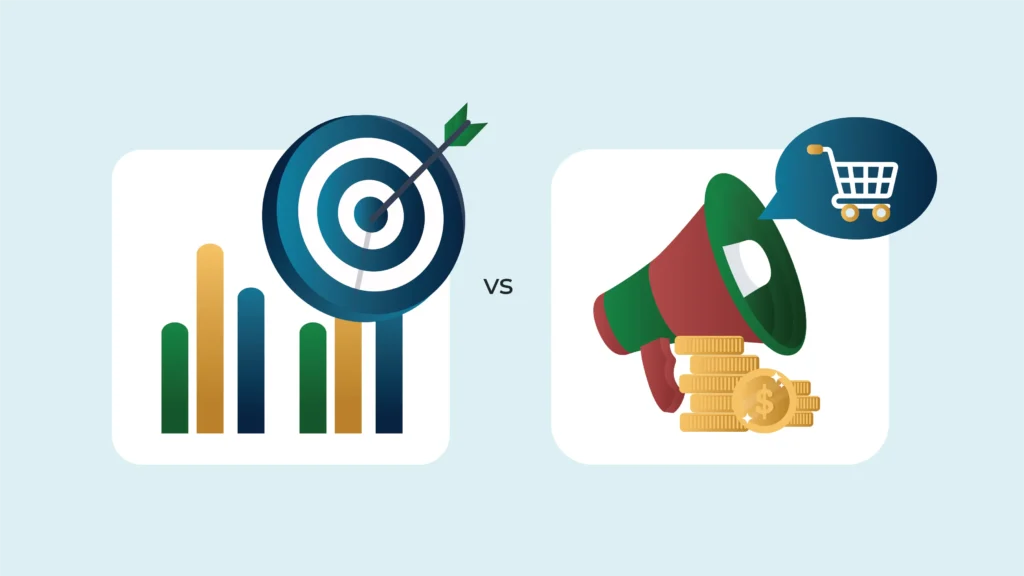
Performance marketing is an overarching strategy with various tactics to drive specific actions. Affiliate marketing is a subset of performance marketing, where affiliates earn commissions by promoting products or services.
Here’s a further breakdown of their differences:
- Active vs. Passive: Performance marketing typically involves actively managing campaigns to optimize for desired outcomes, whereas affiliate marketing can often be more passive once the initial setup is complete.
- Broader Scope: Performance marketing involves using multiple channels, including PPC advertising, social media, and search engine marketing, while affiliate marketing focuses solely on partner referrals.
- Tracking Metrics: Both methods rely heavily on tracking and analytics, but performance marketing often requires more comprehensive metrics to measure success across different platforms like social media and the website.
How Does Performance Marketing Work?
Performance marketing involves several steps to make sure that your campaigns effectively achieve their goals. Here’s how you can use it to meet your business needs:
- Define Performance Goals: Identify specific actions you want users to take, such as purchases, sign-ups, or clicks.
- Choose Advertising Channels: Select the most effective platforms like social media, PPC, email marketing, or affiliate networks.
- Create Ad Content: Develop compelling ads that resonate with your target audience and encourage them to take action, such as visiting your website or filling out a form.
- Set Bid and Budget: Allocate your budget wisely and set bids that maximize your return on investment.
- Launch Campaign: Roll out your campaign across your chosen channels.
- Track Performance: Monitor key metrics such as cost per acquisition (CPA), click-through rates (CTR), and conversions to measure success.
Benefits of Performance Marketing
There are many advantages of performance marketing, making it a powerful tool for effectively achieving your marketing goals. Here are some of these benefits:
1. Achieve Cost-Efficiency
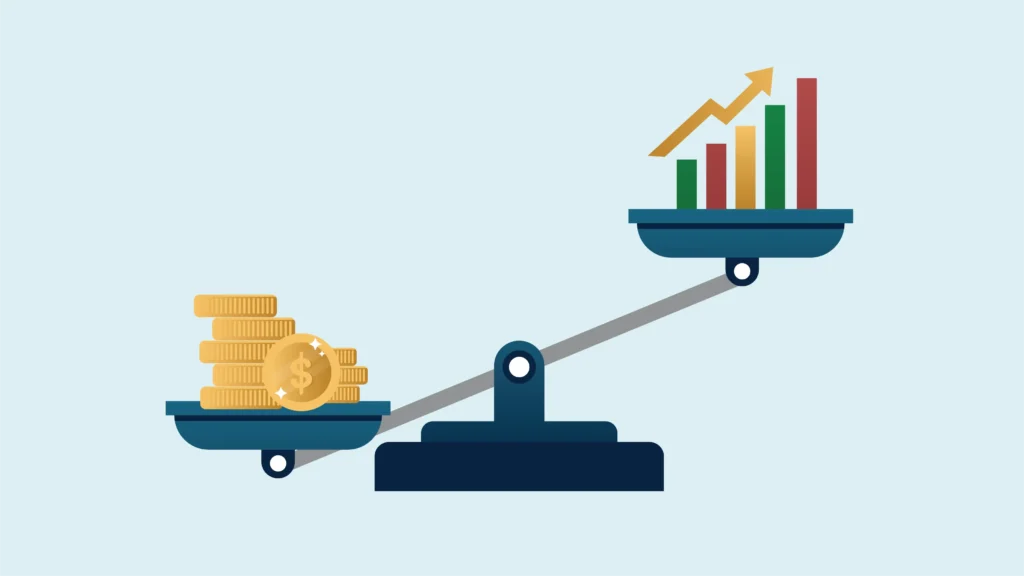
One of performance marketing’s primary advantages is its cost-efficiency. You only incur costs when a specific action is completed, such as a click, lead, or sale. With real-time analytics, you can quickly identify non-performing ads and pause them to save on unnecessary expenses and direct your advertising budget towards the best-performing channels and ads to maximize ROI.
2. Target With Precision
Performance marketing shines when it comes to targeting the right audience with laser precision. This approach uses data analytics and sophisticated algorithms to ensure your marketing efforts reach the most relevant prospects. Performance marketing is about allocating your budget wisely to achieve the best results.
3. Measure Results Accurately
One of the most significant advantages of performance marketing is the ability to measure results with pinpoint accuracy. By focusing on quantitative metrics, businesses can gain deeper insights into what drives engagement and conversions. This data-centric approach helps marketers to fine-tune their campaigns based on real-time feedback.
4. Scale Effortlessly
Performance marketing channels allow you to scale your advertising efforts efficiently. With the ability to track precise data and optimize campaigns in real time, you can meet your company’s growing demands without overspending or increasing risks. This ensures steady growth and improved return on investment.
5. Minimize Risk
Risk management is a crucial aspect of any marketing strategy, and performance marketing excels in this department. By focusing on measurable outcomes, you can allocate your budget more effectively and ensure that every dollar spent drives results.
Types of Performance Marketing Channels
Now that you’re sold on the potential of performance marketing, let’s explore some popular channels:

Search Engine Marketing (SEM)
SEM is a good way to drive traffic to your website by purchasing ads on highly visible search engines like Google and Bing. Here’s how it works:
- Instant Visibility: Unlike organic search efforts, SEM can provide quick visibility for your brand, ensuring your ads appear on the first page of search results.
- Targeted Ads: With SEM, you can target specific keywords, demographics, locations, and even times of day to ensure your ads reach the right audience.
- Measurable Results: SEM platforms provide detailed metrics, allowing you to track clicks, conversions, and other key performance indicators (KPIs) to measure the success of your campaigns.
Pay-per-Click Advertising (PPC)
PPC advertising is a cornerstone of performance marketing. It enables you to drive traffic to your website by paying a fee each time an ad is clicked. Here’s how it works:
- Instant Visibility: Your ads appear at the top of search engine results, giving you immediate exposure.
- Highly Targeted: Use keywords, demographics, and behaviors to reach the right audience.
- Budget Control: Set daily or monthly budgets to ensure you never overspend.
- Measurable Results: Easily track metrics like clicks, impressions, and conversions.
- Adaptable: Quickly adjust your campaigns based on performance data to maximize ROI.
Affiliate Marketing
Affiliate marketing is a powerful channel within performance marketing. It leverages partnerships with affiliates to drive traffic and generate sales. Here’s how:
- Commission-Based: Affiliates earn a commission for every sale, view, or click they generate, aligning their success with your business goals.
- Low-Risk: With a pay-for-performance model, you only invest in proven outcomes, minimizing financial risk.
- Targeted Reach: Affiliates often have niche audiences that can be more effectively targeted than broader marketing campaigns.
Social Media Advertising
By leveraging social media platforms like Facebook, Instagram, Twitter, and LinkedIn, marketers can precisely target and measure their campaigns with impressive accuracy. Here’s how:
- Extensive Targeting Options: Identify your target audience by using detailed demographic, geographic, and behavioral data.
- Conversion Metrics: Assess performance using conversion rates to understand how effectively your ads drive desired actions, such as sign-ups and purchases.
- Variety of Ad Formats: Choose from photo ads, video ads, carousel ads, and more to suit your campaign objectives and audience preferences.
Email Marketing
Email marketing is one of the most effective and direct forms of performance marketing, allowing you to reach your audience right where they spend a significant amount of their time: their inbox. Here’s how:
- Segmentation: To ensure relevance, divide your email list into segments based on demographics, purchase history, or engagement levels.
- Automated Campaigns: Use automation tools to send timely emails triggered by user actions, such as cart abandonment or onboarding sequences.
- Performance Tracking: Monitor open rates, click-through rates, and conversion metrics to gauge the success of your campaigns.
Native Advertising
Native advertising blends seamlessly with the content of the platform where it appears, offering an unobtrusive way to reach potential customers. Here’s how it works:
- Higher Engagement: Native ads are designed to complement the surrounding content, making them more likely to catch the reader’s attention.
- Enhanced Credibility: Because native ads match the style and tone of the platform, they can build trust with the audience, lending credibility to your brand.
- Better Targeting: These ads leverage the platform’s audience data, allowing for more precise targeting based on user behavior and demographics.
Challenges of Performance Marketing
While performance marketing can yield impressive results, it comes with its own challenges. Here are some of the hurdles you might face when implementing a performance marketing strategy:
- Ad Fraud: Scammers may generate fake clicks or leads, leading to inaccurate data and wasted budgets.
- High Competition: As more businesses adopt performance marketing, the competition for keywords and ad space increases, which can drive up costs.
- Data Privacy Regulations: Compliance with regulations such as GDPR can be complex and may restrict data collection efforts.
- Tracking and Attribution Issues: Accurately linking a sale or conversion to the right marketing effort can be difficult, especially when multiple channels are involved.
- Constant Optimization Required: Performance marketing demands ongoing monitoring and optimization to maintain effectiveness, requiring time and expertise.
Tips for Successful Performance Marketing Campaigns
Now that you understand how performance marketing can help you scale your business, it’s time to get to work on your campaigns. These tips will help you craft performance marketing campaigns that always hit the mark.
Set Clear Goals
Establishing clear goals is critical for any successful performance marketing campaign. Are you aiming for increased website traffic, lead generation, or boosting online sales? Having clear goals provides direction and allows you to tailor your campaigns and track the right metrics towards achieving them.
Optimize Performance Marketing Campaign Elements
Optimizing the elements of your performance marketing campaign can significantly enhance results and ensure you’re getting the most out of your investment and efforts. Consider the following key areas to focus on for optimization:
- Ad Copy: Make sure that your headlines and descriptions are engaging, concise, and aligned with your target audience’s interests.
- Targeting: Refine your demographic, geographic, and behavioral targeting parameters to reach the most relevant audience.
- Bidding Strategies: Experiment with different bidding strategies, such as CPC (Cost Per Click) and CPA (Cost Per Acquisition), to find what works best for your campaign.
- Landing Pages: Ensure your landing pages are optimized for speed and user experience, providing a clear path to conversion.
Create Compelling Landing Pages
Don’t let your hard-earned clicks go to waste! Focus on creating landing pages that turn visitors into leads or customers. Here’s how you can build a well-crafted landing page:
- Clear Headlines: Ensure your headlines are direct and attention-grabbing, reflecting the core message of your campaign.
- Compelling CTAs: Use strong, action-oriented language in your call-to-action buttons to guide users toward the desired outcome.
- Relevant Content: Keep content that meets the visitor’s expectations and needs concisely and targeted.
- Trust Elements: Add testimonials, reviews, or badges to build credibility and trust with your visitors.
A/B Test
Embrace experimentation! A/B testing allows you to compare different versions of ad copy, creatives, landing pages, and targeting options to see what resonates best with your audience. Here’s how you can implement this:
- Test One Variable at a Time: Focus on a single element to change, such as the headline or call-to-action, to isolate the impact of that element on performance.
- Use Significant Sample Sizes: Ensure your tests are run with enough visitors to achieve statistically significant results, which will make your conclusions reliable.
- Analyze Results Carefully: Examine various metrics, such as click-through rates, conversion rates, and bounce rates, to determine which version truly outperforms.
- Implement and Iterate: Once you identify the winning version, implement it and continue to test other elements in a continuous improvement cycle.
How To Measure Performance Marketing
Data is a performance marketer’s best friend. Measuring performance marketing is crucial for understanding the effectiveness of campaigns and making data-driven decisions. Here are some key metrics to track the success of your campaigns:
Cost per Acquisition (CPA)
This metric measures the total cost you incur to acquire a new customer. It’s calculated by dividing your total marketing spend by the number of new customers acquired.
A lower CPA generally indicates a more efficient campaign. However, it’s important to consider the value of a customer (customer lifetime value) when analyzing CPA. A higher upfront cost might be justified if it leads to customers who spend more in the long run.
Cost per Click (CPC)
This metric indicates the average cost you pay each time someone clicks on your ad. It’s calculated by dividing your total ad spend by the total number of ad clicks received.
A lower CPC can be desirable, but it’s not the only factor to consider. If your low-cost clicks aren’t converting into leads or sales, you might need to refine your targeting or ad copy to attract a more qualified audience.
Cost per Lead
This reflects the cost associated with generating a new lead (e.g., someone who signs up for your email list or downloads a white paper). It’s calculated by dividing your total marketing spend on a lead generation campaign by the number of new leads acquired.
A lower CPL can be a good sign for your brand marketing, but again, you need to consider the quality of the leads. Are they qualified and likely to convert into paying customers?
Boost Your Performance Marketing Strategy With TinyURL
Don’t settle for guesswork in your performance marketing campaigns. Adding TinyURL to your performance marketing toolkit can boost your efforts by providing precise tracking and insightful data. Imagine being able to see exactly how many clicks your shortened URLs receive across different channels.
With TinyURL, that’s exactly what you get. You’ll gain the ability to:
- Track Clicks and Conversions: Gain valuable insights into how your audience interacts with your shortened URLs, allowing you to identify which channels and campaigns are driving the most traffic and conversions.
- Refine Your Strategy: Leverage data-driven insights to optimize your campaigns, refine your targeting, and craft even more compelling ad copy.
- Make Informed Decisions: TinyURL empowers you to make data-driven decisions about your performance marketing strategy, ensuring you’re constantly moving the needle in the right direction.
Ready to elevate your online marketing game? Sign up for TinyURL today!