While scrolling through your social media feed, you might have noticed posts that look suspiciously like ads. Or maybe when you Google something specific, you end up getting results often marked “Ad” at the top. That’s paid media.
In this post, we will discuss paid media, explore its different types, showcase real-world examples, and equip you with the best practices to make your paid campaigns sing. We’ll also introduce you to TinyURL, a handy tool to streamline paid media efforts.
Main Takeaways From This Article:
- Paid media includes various formats like display ads, sponsored content, and influencer marketing, each with unique benefits and use cases.
- Understanding the difference between paid, owned, and earned or free media is crucial for strategizing a balanced marketing approach.
- It’s essential for businesses to measure success and collect data before investing in paid campaigns to ensure effective optimization and ROI.
- Continuous data analysis, A/B testing, and staying updated on industry trends are key to successfully optimizing paid media campaigns.
- Using TinyURL can enhance paid media efforts by making long URLs more manageable and trackable, thereby improving both user experience and analytic capabilities.
What Is Paid Media?
Simply put, paid media is any advertising space you purchase to promote your message. This can include a vast array of channels, from the traditional giants like television and radio to the digital powerhouses of social media and search engines.
Whether it’s a catchy jingle on the airwaves, captivating video ads on YouTube, or sponsored posts on your favorite social platform, paid media encompasses it all.
Paid vs. Owned Media
Think of your brand as a house. Owned media is everything within your walls: your website, blog, and social media channels. You control the content and have complete creative freedom.
Paid media, on the other hand, is like renting an advertising billboard on the street outside. You pay for the space to promote your brand message, but you might need to follow specific guidelines set by the platform.
Paid vs. Earned Media
Another key distinction lies between earned and paid media. Earned media is the holy grail of marketing – positive mentions, reviews, and recommendations from satisfied customers and industry influencers. It’s essentially free advertising generated by the buzz around your brand.
Paid media, however, takes the reins, actively promoting your message through paid placements.
The Importance of Paid Media
While owned and earned media are crucial, paid media offers a distinct advantage: speed and control.
Organic growth takes time, and relying solely on earned media can be unpredictable. Paid media, on the other hand, allows you to reach a wider audience quickly and target specific demographics or interests. This makes it ideal for:
- Boosting Brand Awareness: Get your brand name out there and build recognition.
- Driving Website Traffic: Attract more visitors to your website or landing page.
- Generating Leads and Sales: Convert website visitors into paying customers.
- Promoting Specific Products or Services: Highlight new offerings or special deals.
- Retargeting Website Visitors: Remind people who interacted with your brand to come back for more.
- Reaching a Wider Audience: Target specific demographics, interests, and online behaviors to ensure your message reaches the right people.
- Measurable Results: Track clicks, impressions, and conversions, allowing you to optimize your campaigns for maximum return on investment (ROI).
Types and Examples of Paid Media
Now that we understand the power of paid media, let’s delve into the various forms it takes:
1. Display Ads
Have you ever noticed those eye-catching banners or image ads on websites and apps? Those are display ads. They can be targeted based on the website’s content or the user’s browsing history.
These ads come in various formats, including:
- Banner Ads: Rectangular ads displayed at the top, bottom, or sides of a webpage.
- Rich Media Ads: Interactive ads with animations, video, or audio.
- Pop-Ups: Ads that appear on top of the content a user is viewing. (Use these sparingly, as they can be intrusive.)
Let’s suppose you run a travel agency specializing in eco-tours. You can display eye-catching banner ads on websites related to adventure travel or sustainability, showcasing stunning destinations and promoting your eco-friendly practices.
2. Paid Search Marketing
This involves placing ads at the top of search engine results pages (SERPs) for relevant keywords. When someone searches for a term related to your product or service, your ad pops up, potentially driving them to your website. Platforms like Google Ads and Bing Ads offer robust PPC options.
Let’s say you sell handcrafted leather goods. You can create PPC ads targeting keywords like “handmade leather wallet” or “buy men’s leather bag,” ensuring your products appear at the top of search results when these terms are searched.
3. Social Media Ads
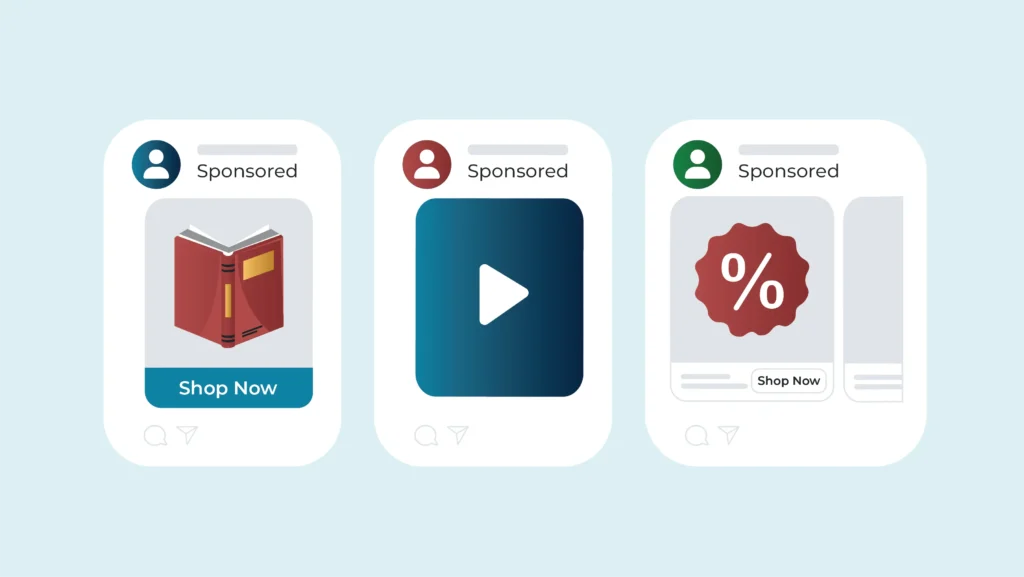
Many social media platforms have paid advertising choices that let you focus on users, leveraging their demographics, interests, and behaviors. You can create engaging image, video, or carousel ads that blend seamlessly with organic social media posts, grabbing users’ attention and driving them to your social media page or website.
Imagine you own a bakery specializing in delicious cupcakes. You can create sponsored social media posts like mouthwatering Instagram ads showcasing your unique flavors and enticing visuals, targeting users who have shown interest in baking or desserts.
4. Native Advertising
This sneaky yet effective strategy involves creating content that seamlessly blends into the surrounding platform. Imagine an informative article about healthy meal prepping “sponsored by” a meal delivery service – that’s native advertising in its prime.
Say you offer a fitness app. You can partner with a popular health and wellness website to create a sponsored article highlighting the benefits of your app and its unique features.
5. Sponsored Content
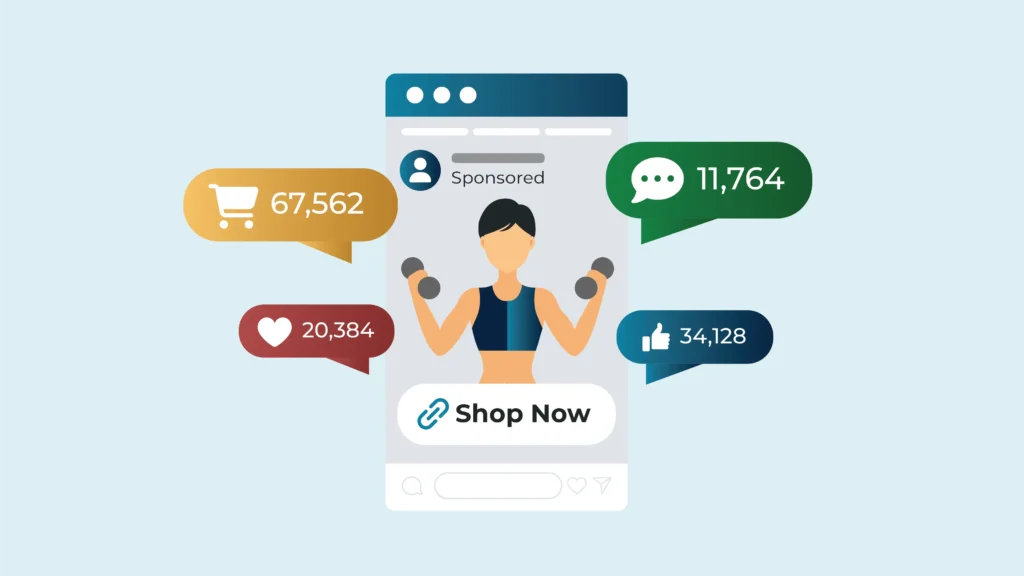
This involves partnering with influencers, bloggers, affiliate marketers, or other content creators to promote your brand or product within their established target audience. For example, a beauty blogger might create a video showcasing their favorite makeup products, including yours—that’s sponsored content.
Let’s say you manufacture a new line of athletic wear. You can partner with a fitness influencer known for their workout tutorials. They could create a video showcasing your clothing line while performing their favorite exercises, highlighting the comfort and functionality of your apparel.
6. Influencer Marketing
Influencer marketing takes sponsored content a step further. It involves building long-term relationships with influencers who can become brand advocates. Here are a couple of things to consider:
- Micro vs. Macro Influencers: While mega-influencers with millions of followers hold significant reach, partnering with micro-influencers (those with 10,000 to 100,000 followers) can often be more effective. Micro-influencers often have highly engaged communities and higher trust in their audience.
- Building Relationships: It is crucial to build genuine connections with influencers, not just transactional partnerships. Focus on finding influencers who are passionate about your brand and its values.
Imagine you own a sustainable coffee brand. You can partner with a group of eco-conscious micro-influencers who regularly share content about healthy living and environmental responsibility. These influencers can consistently integrate your coffee into their content, showcasing its ethical sourcing and delicious taste while promoting your brand’s commitment to sustainability.
By combining sponsored content and influencer marketing, you can create a powerful marketing strategy that leverages the trust and reach of established personalities to reach new audiences and build brand loyalty.
Best Practices for Successful Paid Media Campaigns
So, feeling ready to harness the power of paid media for your business? Before we discuss some best practices for running successful paid ads, here’s a caveat: You shouldn’t run paid content until you can be sure you can measure its success and collect data for future campaigns.
A successful paid media strategy requires careful planning, execution, and continuous optimization, so businesses must be certain they can undertake this responsibility.
Now, let’s get down to brass tacks and explore the best practices to keep in mind:
1. Targeting and Segmentation
The key to effective paid media is reaching the right people. Don’t waste your resources on a broad audience. Instead, leverage the powerful targeting options offered by most paid media platforms.
- Demographics: Target your ideal customer by age, gender, location, income, and other relevant demographic factors.
- Interests: Tailor your ads to users who have shown interest in specific topics related to your product or service.
- Behaviors: Reach users based on their online behavior, such as past website visits or purchase history.
By segmenting your audience, you can create highly targeted campaigns that resonate with specific user groups, leading to better engagement and conversions.
2. Creative Development
Compelling visuals and clear messaging are crucial for grabbing attention in the crowded online space.
- Focus on Benefits: Highlight the key benefits your product or service offers and how it solves your target audience’s pain points.
- Use Strong Calls to Action (CTAs): Tell users exactly what you want them to do, whether it’s visiting your website, downloading an app, or making a purchase.
- A/B Test Different Creatives: Don’t settle for just one ad. Test different headlines, images, and video snippets to see what resonates best with your audience.
3. Budget Management
Set a realistic budget for your paid media campaigns and stick to it. Most paid media platforms offer flexible budgeting options, allowing you to set daily or lifetime spending limits.
- Set Clear Goals: Define your campaign goals upfront. Are you aiming for increased website traffic, brand awareness, or lead generation? Knowing your goals will help you determine the budget needed.
- Start Small and Scale: Begin with a smaller budget and gradually increase it as you gather data and optimize your campaigns to test different strategies and identify what works best without overspending.
- Track Your Spend and ROI: Regularly monitor your budget allocation and return on investment (ROI) to assess the effectiveness of your campaigns. This will help you adjust your budget allocation as needed.
- Optimize for Efficiency: Allocate more resources to high-performing ad groups and channels while scaling back on less effective ones.
4. Performance Tracking and Analytics
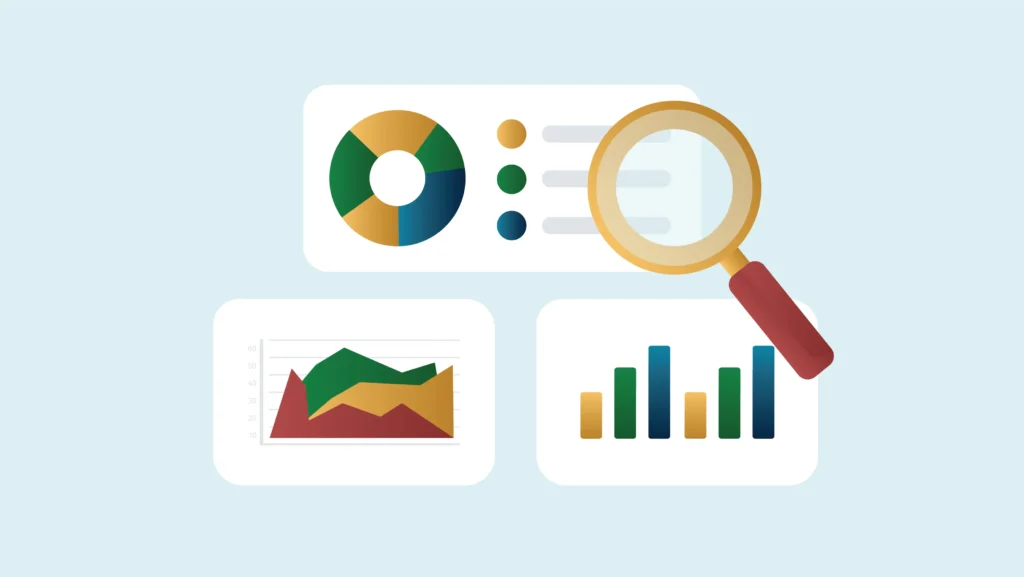
Data is your best friend in the world of paid media. Most platforms offer comprehensive analytics dashboards that track key metrics like:
- Impressions
- Clicks
- Conversions
- Cost-per-acquisition (CPA)
Identify the most relevant KPIs for your campaign goals and regularly track these metrics to understand how your ads are performing and identify areas for improvement.
As mentioned earlier, businesses shouldn’t run paid content until they’re sure they can measure success and collect data for later optimization. Having a solid grasp of your target audience, campaign goals, and KPIs is crucial before venturing into sponsored content or influencer marketing.
5. A/B Testing
The digital landscape is constantly evolving, and what works today might not work tomorrow. A/B testing allows you to compare different versions of your ad campaigns and see which ones perform better.
- Test Different Variables: Test different headlines, images, CTAs, landing pages, or even targeting options to see what resonates best with your audience.
- Compare and Optimize: Compare the performance of the variations of your ad campaign used. This could involve testing different headlines, images, or CTAs.
- Make Informed Decisions: Based on your A/B testing results, you can make data-driven decisions to improve your campaign performance and maximize your return on ad spend (ROAS).
Maximize Your Advertising With TinyURL
Now that you’re armed with a comprehensive paid media toolkit, let’s explore how TinyURL can be a valuable asset in your digital marketing arsenal.
TinyURL is a free, easy-to-use tool that can significantly improve paid media campaigns by offering several benefits, such as:
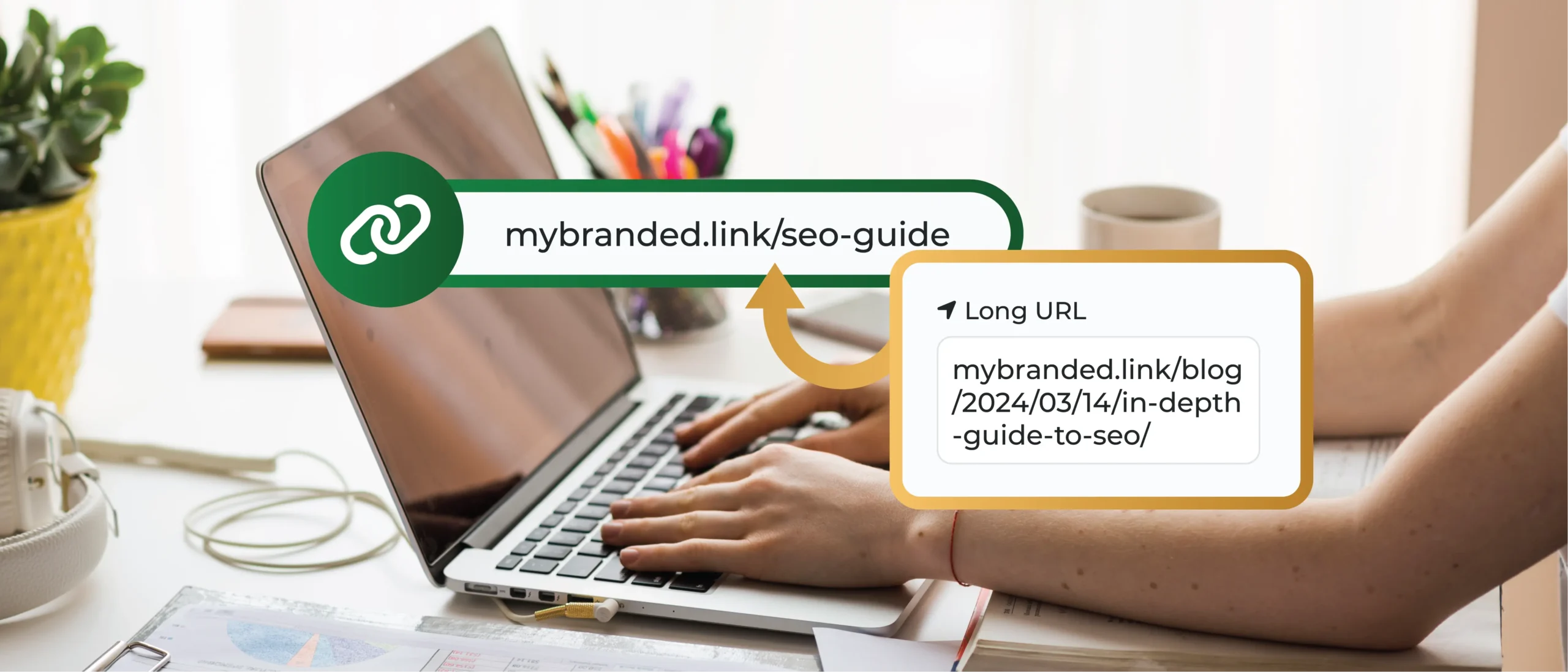
- Shortened URLs: Paid media platforms often limit ad copy to a certain number of characters. TinyURL allows you to condense lengthy website URLs into bite-sized formats, making them more manageable and aesthetically pleasing in your ads.
- Link Tracking: TinyURL offers custom tracking features. You can create unique shortened URLs for each campaign or ad variation, allowing you to see precisely how many clicks each one receives. This valuable data provides insights into user behavior and helps you gauge the effectiveness of different ad components.
- Brand Consistency: TinyURL allows you to customize shortened URLs with your brand name. This creates a consistent brand experience across all your advertising channels, further strengthening brand recognition.
With TinyURL, you can shorten URLs, track clicks, and maintain brand consistency to create more effective and insightful advertising strategies. Want to try it first-hand?