When you walk into a store and are greeted by name, how does that make you feel? The salesperson instantly recognizes you and your past purchases and recommends items based on your preferences. This personalized experience makes you feel valued and increases the chances of you making a purchase.
The digital world is no different. In today’s crowded online landscape, generic content simply doesn’t cut it anymore. Users crave personalized content tailored to their individual needs and interests.
This blog post explores content personalization, its definition, advantages, and practical applications. It also covers how TinyURL can be a powerful tool in your content personalization arsenal.
Main Takeaways From This Article:
- Content personalization tailors marketing efforts to individual user preferences, enhancing engagement and user experience.
- Effective personalization relies heavily on the collection and analysis of customer data.
- Numerous methods, such as personalized emails, custom landing pages, and dynamic content, are used to deliver personalized experiences.
- Tools like TinyURL facilitate personalized content delivery by enabling the creation of customized, trackable URLs at scale.
- Implementing a content personalization strategy involves several steps, including data collection, audience segmentation, and continuous optimization.
What Is Content Personalization?
Content personalization is the strategic practice of tailoring content to individual users based on their:
- Demographics: Age, location, gender, income, etc.
- Behavioral Data: Browsing history, purchase history, website interactions, etc.
- Preferences: Content format (video vs. text), interests, and past content engagement.
This can involve anything from displaying product recommendations based on browsing history to sending birthday discount emails. The goal? To create a more relevant and engaging experience for each user.
Think of it like this: instead of shouting generic messages into a crowded room, personalization allows you to have meaningful conversations with each individual. This one-on-one approach fosters stronger connections with your audience, ultimately leading to better business outcomes.
Advantages of Content Personalization
The benefits of content personalization are undeniable, impacting both your customers and your business:
For Customers
- Enhanced Relevance: No more wading through irrelevant content! Personalized experiences ensure you see content that’s truly interesting and valuable to you.
- Improved User Experience: Personalized interactions feel more natural and engaging, making you feel valued as a customer.
- Greater Efficiency: Finding the information you need becomes a breeze when content is tailored to your specific interests.
- Enhanced Feeling of Value: Personalized content demonstrates that you understand their needs, making them feel valued and appreciated.
For Businesses
- Boosted Engagement: Personalized content keeps users hooked, encouraging them to spend more time with your brand and explore further.
- Higher Conversion Rates: By presenting relevant offers and products, personalization increases the likelihood of users converting into paying customers.
- Stronger Customer Loyalty: Personalized experiences create stronger relationships, increasing customer loyalty and repeat business.
- Deeper User Insights: Personalized content strategies enable you to gather valuable data on user behavior and preferences, allowing you to refine your marketing efforts further.
The Role of Customer Data in Delivering Personalized Content
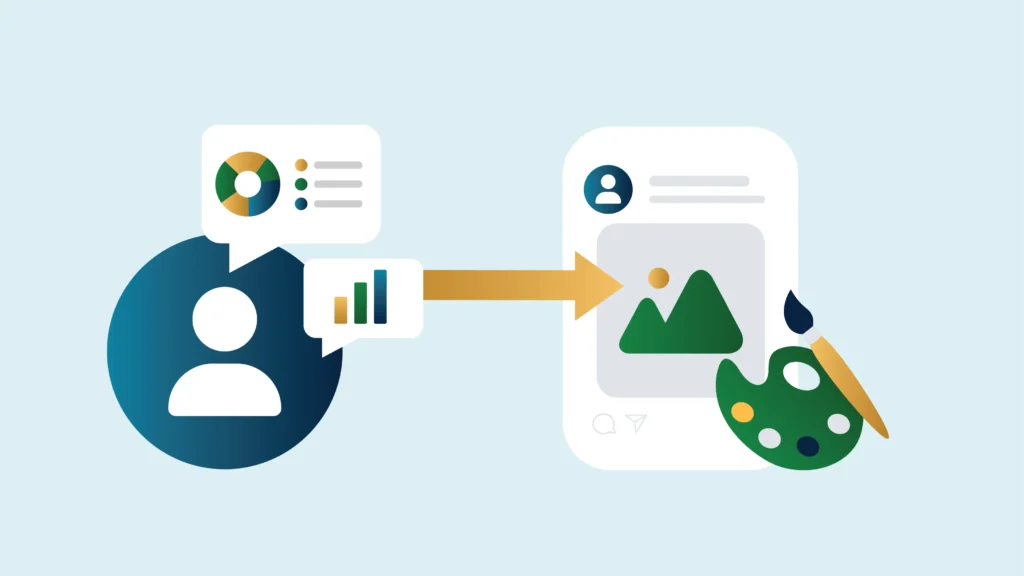
The foundation of successful content personalization lies in customer data. This data includes demographics, browsing behavior, purchase history, and social media activity. By analyzing user data, you can gain valuable insights into their preferences and tailor your content accordingly.
However, it’s crucial to tread carefully. Respect user privacy and ensure transparency in how you collect and use data. Here are some ways businesses collect customer data:
- Website Analytics: Tools like Google Analytics track user behavior on your website, revealing browsing patterns and content preferences.
- CRM Data: Customer Relationship Management platforms store valuable information on demographics, purchase history, and past interactions.
- User Surveys and Online Forms: Directly gather user feedback and preferences through surveys and signup forms.
Content Personalization Methods and Examples
There are several methods to personalize content effectively, each catering to different aspects of user interaction and preferences.
Here are a few noteworthy methods and their respective examples:
1. Design Dynamic Website Content
Imagine a website that adapts to each visitor like a chameleon. Dynamic website content makes this possible. Here’s how it works: An online sporting goods store uses website personalization tools to tailor its homepage based on user location. Visitors from snowy climates might see winter gear prominently displayed, while those in warmer regions see beach and water sports equipment.
2. Craft Personalized Email Marketing Campaigns
Gone are the days of generic “Dear Valued Customer” emails. Email segmentation and personalization allow you to craft targeted email campaigns that resonate with specific user groups.
Let’s say a streaming service segments its email list based on users’ viewing habits. Action movie fans might receive emails highlighting new releases in that genre, while those who prefer documentaries receive tailored recommendations.
3. Sharing Product Recommendations
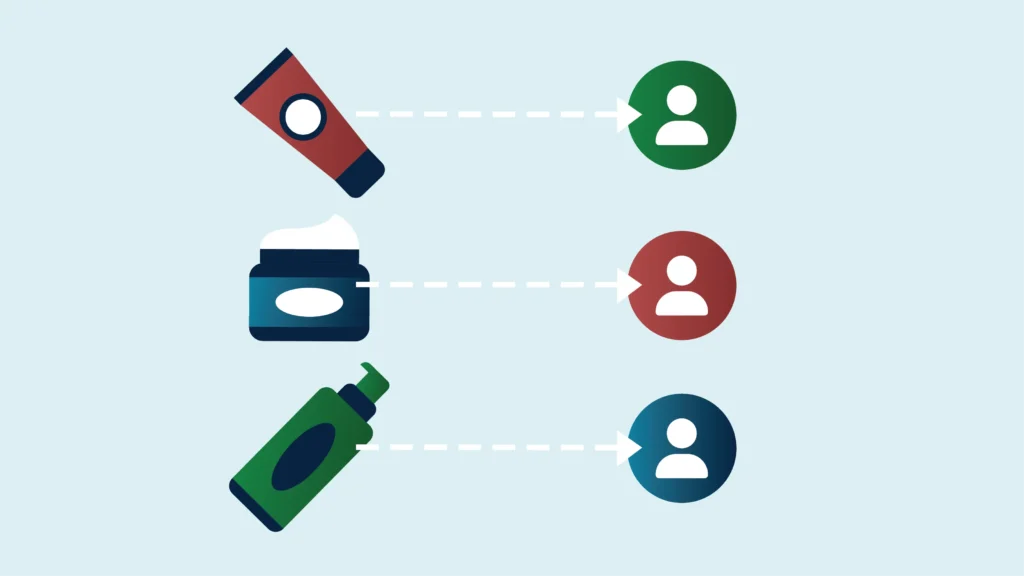
“Recommended for you” sections are a staple on many e-commerce websites. But these recommendations aren’t random; they’re powered by personalization. An online bookstore analyzes a user’s past purchases and browsing history. Based on this data, the website recommends similar books or series, increasing the chance of further purchases.
4. Sharing Content Recommendations
News websites and blogs can also personalize content recommendations. By analyzing user behavior, they can suggest articles, videos, or podcasts that align with their interests.
Consider this example: A news website tracks a user’s reading history. If they frequently visit the business section, the website might recommend articles on the latest stock market trends or upcoming industry events.
5. Churning Out Interactive Content
Going beyond static content, interactive elements can be used to gather user data and personalize the experience further. For example, a beauty brand creates an interactive quiz that helps users determine their skin type and concerns. Based on the quiz results, the website recommends suitable skincare products.
6. Creating Personalized Landing Pages
Landing pages are crucial for lead generation and conversions. Personalization allows you to create landing pages tailored to specific user segments.
Suppose a software company runs different ad campaigns targeting businesses of varying sizes. For each ad campaign, they create a dedicated landing page highlighting the software’s benefits most relevant to the targeted company size.
7. Leveraging Personalized Calls to Action (CTAs)
Don’t underestimate the power of a well-crafted CTA. Personalizing CTAs can significantly boost engagement and conversions. For instance, an e-commerce site displays a “Buy Now” CTA for users who have added specific items to their cart. For those just browsing, the CTA might be “Learn More” or “Add to Wishlist.”
8. Retargeting and Remarketing
Retargeting ads follow users across the web based on their browsing behavior. By leveraging personalization, these ads can be even more effective. Let’s say a user abandons their cart on a clothing website. Retargeting ads might showcase the abandoned item with a discount or highlight similar products, encouraging them to complete the purchase.
9. Deliver Personalized Experiences on Social Media
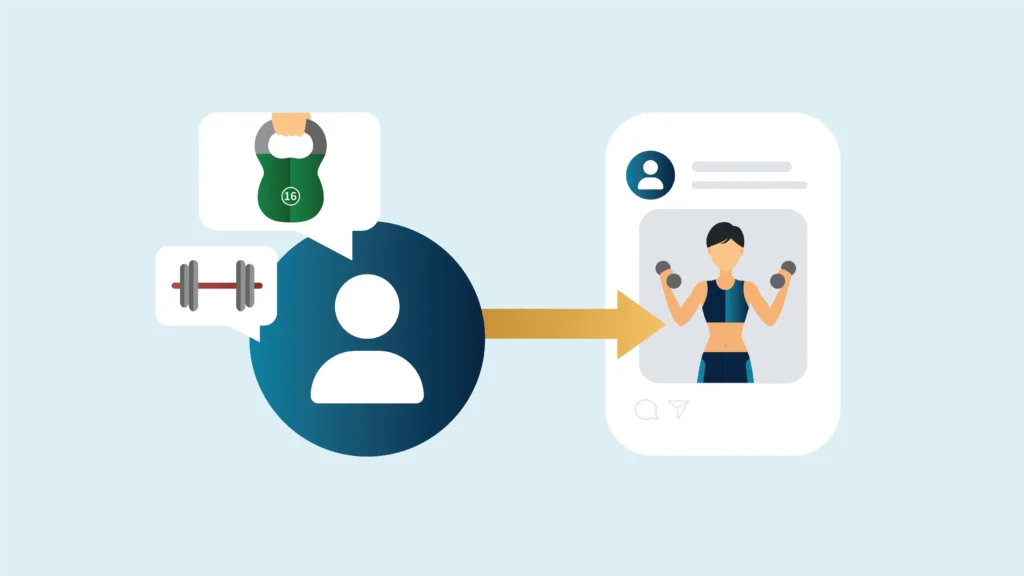
Social media platforms offer features to personalize the user experience, like curated news feeds and targeted advertising. For example, a fitness brand uses social media ad targeting to reach users interested in healthy living and specific workout programs. The ads showcase targeted content and promotions.
10. Personalizing Search Results
Search engines like Google personalize search results based on user location, search history, and previous interactions. This ensures users find the most relevant information for their specific needs. For instance, when searching for “restaurants near me,” Google prioritizes restaurants within your current location based on your past searches and preferences.
Remember, personalization is an ongoing process, not a one-time effort. Regularly analyze user data and campaign performance to refine your approach and continuously enhance the user experience.
Top Tools to Create and Deliver Personalized Content
Having explored various personalization methods and examples, let’s equip you with content personalization tools to bring them to life. Here are some popular options to consider:
Content Management Systems (CMS) With Personalization Features
These platforms offer built-in tools for creating and managing personalized content. Popular options include:
- Adobe Experience Manager (AEM): Offers advanced personalization features like audience segmentation, dynamic content delivery, and A/B testing.
- HubSpot: Provides tools for creating personalized landing pages, email marketing campaigns, and smart content based on user behavior.
Marketing Automation Platforms
These platforms streamline personalized marketing efforts through automation and data management. Leading choices include:
- Marketo: Offers features for lead scoring, triggered email campaigns, and personalized landing pages based on user behavior.
- Pardot: Provides tools for dynamic content creation and personalized email marketing with powerful segmentation capabilities.
Website Personalization Tools
These tools help you tailor website content based on user data in real time. Some popular options include:
- Optimizely: Offers A/B testing, feature experimentation, and personalization features to optimize website content for different user segments.
- Dynamic Yield: Provides real-time personalization tools for product recommendations, targeted pop-ups, and dynamic content delivery based on user behavior.
Customer Data Platforms (CDPs)
These platforms unify customer data from various sources, providing a holistic view of your audience. Popular CDPs include:
- Treasure Data: Offers a customer data platform with segmentation tools and integrations with marketing automation platforms.
- Blueshift: Provides a CDP focused on omnichannel marketing, allowing for consistent personalization across different channels.
Remember, the best tool for you depends on your specific needs and budget. Also, consider factors like the size of your business, the complexity of your personalization goals, and your technical expertise.
How To Create a Content Personalization Strategy Step-by-Step
Now that you’re armed with the knowledge and tools, let’s build a step-by-step approach to developing a winning content personalization strategy:
Step 1: Define Your Goals and Target Audience
What do you want to achieve with personalization? Increase brand awareness, drive conversions, or boost customer engagement? Clearly identify your goals and pinpoint your target audience. Understanding their demographics, interests, and pain points is crucial for crafting relevant and tailored content.
Step 2: Gather and Analyze Customer Data
Leverage existing sources like website analytics, CRM systems, and user surveys to understand your audience data better. Analyze this data to identify patterns and trends in user behavior and preferences.
Step 3: Segment Your Audience
Divide your audience into distinct groups based on shared characteristics. This allows you to tailor content more effectively to their specific needs. Some common segmentation methods include demographics (age, location), interests, purchase history, and website behavior.
Step 4: Choose Your Personalization Methods
Select from among the methods we explored earlier and make sure it suits your goals and target segments. Consider website personalization tools for dynamic content delivery, email marketing segmentation for targeted campaigns, or interactive content formats like quizzes or product recommendations.
Step 5: Create Personalized Content
Create content tailored to each audience segment. This could involve variations in messaging, visuals, or product recommendations. For example, blog posts targeting new customers might provide basic information, while content for existing customers could delve deeper into complex topics.
Step 6: Implement and Test Your Personalization Strategy
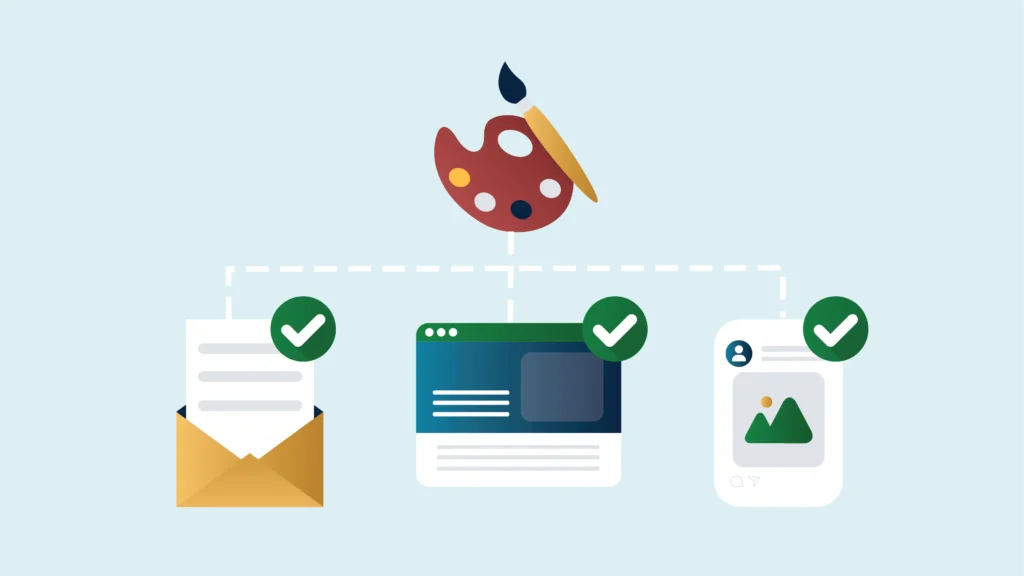
Use your chosen tools to deliver personalized content across different channels like email, website, and social media. Remember, personalization is an ongoing process. Test different approaches and refine your strategy based on results.
Step 7: Measure and Optimize
Track the performance of your personalized campaigns and analyze customer behavior. Based on data insights, look for opportunities to refine your strategy. Are certain segments responding well to specific content types? Continuously optimize for better results, ensuring your personalization efforts are driving the desired outcomes.
Automate and Scale Personalized Link Generation With TinyURL
Taking your content personalization a step further involves creating unique and trackable links for each user or segment. This allows you to gain deeper insights into user behavior and optimize your personalization efforts. Here’s where TinyURL comes into play.
TinyURL’s API empowers businesses to automate and scale personalized link generation, offering several advantages:
- Unique Trackable Links: Generate unique TinyURLs for each user or audience segment. These links can be tracked, providing valuable data on individual clicks and user journeys. Monitor metrics such as total clicks, unique clicks, and unique visitors to understand your personalized marketing campaigns comprehensively.
- Personalized Link Text: Customize the text displayed for each TinyURL. This can include the user’s name, location, or other relevant information, adding a personal touch and enhancing the user experience. Branded and customized links increase engagement and trust, making your personalized content even more effective.
- Geographical Data: Gain insights into where your personalized links are being clicked, allowing you to tailor your content to different regions and better understand your global audience’s behavior.
- Device and Browser Insights: Understand the types of devices and browsers your audience is using, ensuring your personalized content is optimized for the best user experience across all platforms.
- Traffic Trends and Popular Times: Analyze traffic trends over time and discover the most popular times and days your personalized links are clicked. Use this information to schedule your personalized content for maximum engagement.
While TinyURL’s API empowers you to automate and scale personalized link generation, this functionality is only available with larger plans (like Bulk or Enterprise). So, if you’re a business looking to personalize your marketing efforts at scale, these plans offer an ideal solution.
Experience the transformative power of TinyURL’s link-shortening and tracking service.