
Ever feel like the internet is reading your mind? You browse for running shoes, and suddenly, ads for sneakers follow you across every website you visit. That’s the power of behavioral targeting in action.
In this post, we’ll unveil the secrets behind this marketing strategy, showing you how it leverages user data to create more effective campaigns. We’ll delve into the mechanics of behavioral targeting, explore its benefits, and equip you with best practices for ethical and impactful implementation.
Main Takeaways From This Article:
- Behavioral targeting leverages user data, such as browsing habits and purchase behavior, to deliver more relevant marketing content.
- It involves four key steps: data collection, user segmentation, targeted content delivery, and continuous optimization.
- Effective implementation of behavioral targeting, such as tracking pixels on mobile apps, can enhance user engagement and improve marketing results.
- Prioritizing user privacy and trust is crucial for ethical and successful behavioral targeting strategies.
- Using tools like TinyURL allows marketers to track and analyze how different demographic groups interact with campaigns.
What Is Behavioral Targeting?
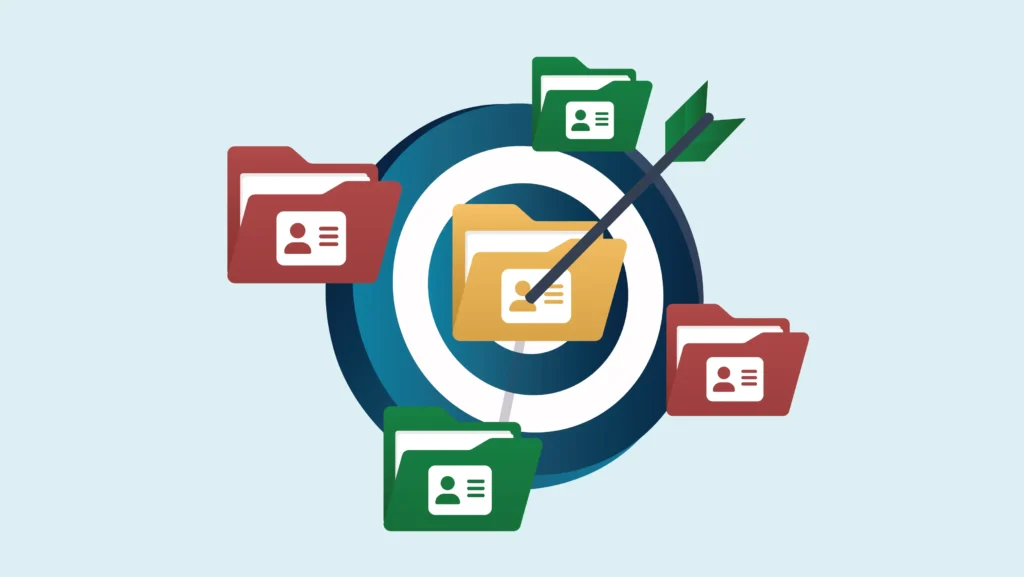
Behavioral targeting is a smart marketing strategy that uses data about how people behave online to show them more relevant ads. By tracking actions like the websites people visit, the links they click on, and the content they engage with, marketers can build detailed profiles of users.
How Do These User Profiles Help?
These profiles help to accurately segment the audience and deliver ads that match the user’s specific interests and needs. Behavioral targeting teaches companies to watch and analyze what users do online to show them the right message at the right time, boosting engagement and conversions.
Behavioral Targeting vs. Contextual Targeting
Contextual targeting focuses on the content a user is currently consuming. For instance, if you’re reading an article about mountain biking, you might see ads for biking gear displayed alongside the text.
Behavioral targeting, on the other hand, focuses on the user itself. For example, ads for biking gear might show up because you’ve previously visited cycling websites, regardless of the current content you’re viewing.
Why Is Behavioral Targeting Important?
There are several compelling reasons why behavioral targeting is crucial for modern marketing:
- Increased Relevancy: Users are bombarded with ads daily. Behavioral targeting cuts through the noise by showcasing relevant content directly related to their interests, leading to higher engagement.
- Improved Conversion Rates: When users see ads that resonate with their needs and wants, they’re more likely to convert, whether it’s making a purchase, signing up for a newsletter, or downloading an app.
- Enhanced User Experience: Nobody enjoys irrelevant ads. By delivering personalized ads, behavioral targeting creates a more enjoyable browsing experience for users.
- Effective Budget Allocation: Marketers can allocate their budget more strategically by focusing on users who are most likely to respond positively to their offerings.
Types of Behavioral Targeting
Now, let’s dissect the different types of data points marketers leverage for behavioral targeting:
Web Browsing Behavior
This goes beyond simply tracking which pages users visit. It also considers the time spent on each page, the links they click, and the overall path they take through your website. This rich data paints a picture of a user’s interests and intent.
For instance, seeing someone linger on a product page for an extended period, zooming in on product images, and reading reviews indicates high interest, prompting targeted ads for similar items or complementary accessories.
Campaign Interaction
How users interact with your marketing tells you a lot. Did they open your email and click a specific link? Did they like, comment, or share your social media post? Did they leave your website after looking at a certain product? This data helps you plan future campaigns.
For example, users who often click on your video ads might enjoy more video content, while those who opened an email about a new product might like ads with more details.

Purchase Behavior
Customers’ past purchases are a treasure trove of insights into their preferences and purchasing power. By analyzing purchase history, you can understand a user’s favorite brands, product categories, and typical spending habits. This allows for targeted upsell and cross-sell opportunities.
Imagine a customer who frequently purchases running shoes. You can recommend performance socks, insoles, or even training programs in your next email campaign.
App Usage
By analyzing how users interact with your app, you can greatly enhance their experience. Data on which features they use, how often they use them, and what they purchase tells you a lot about their behavior. This information lets you tailor in-app features and notifications to their needs and preferences.
For instance, a fitness app can suggest workout plans based on a user’s activity and goals, while a language learning app can offer lessons for the user’s chosen language.
How the Behavioral Targeting Process Works
Behavioral targeting isn’t magic; it’s a well-oiled machine fueled by data and strategic delivery. Let’s break down the key steps involved in this process:
1. Behavioral Data Collection
This is the foundation upon which successful behavioral targeting is built. Marketers leverage various tools and techniques to gather data about user behavior. This can include:
- Website Cookies: These small data files store information about a user’s browsing activity on your website.
- User Logins: When users create accounts on your website or app, the information they provide becomes valuable data points.
- App Analytics: By integrating analytics tools within your app, you gain insights into how users interact with different features and functionalities.
- Third-Party Data Providers (With User Consent): Partnering with reputable data providers allows you to enrich your understanding of your audience with additional demographic and behavioral data points. It’s crucial to ensure user consent is obtained before leveraging third-party data.
It’s crucial to prioritize user privacy and transparency throughout this process. Always obtain explicit user consent for data collection and clearly communicate how their data will be used.
2. User Segmentation
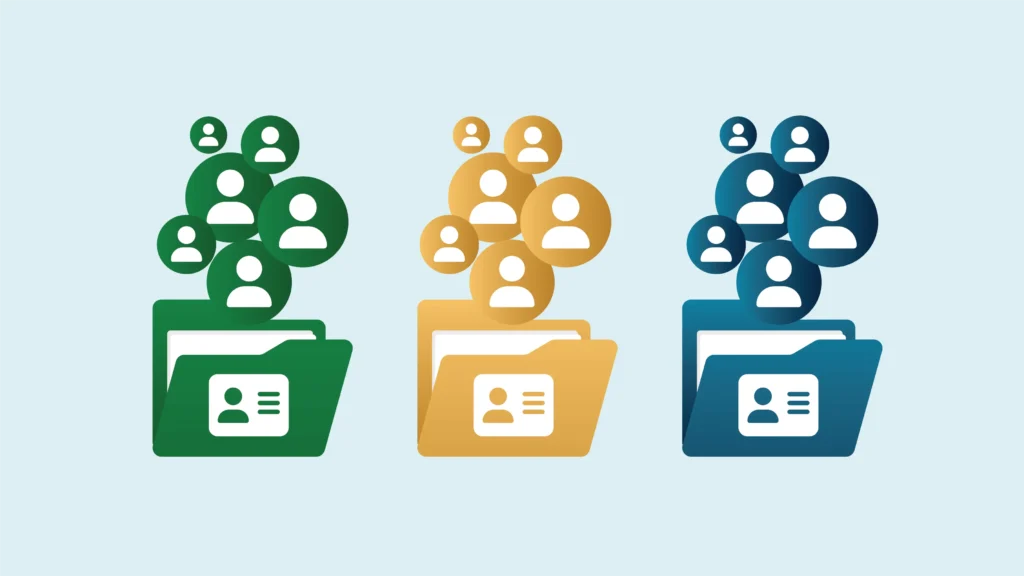
Once the data is collected, it’s time to organize it. User segmentation involves grouping users with similar characteristics, such as customer behaviors. This allows for targeted messaging tailored to specific segments.
Segmentation can be based on factors like demographics (age, location, income), interests (derived from browsing behavior), purchase history, and even app usage patterns. The more granular your segmentation, the more relevant and impactful your marketing messages can be.
3. Targeted Content Delivery
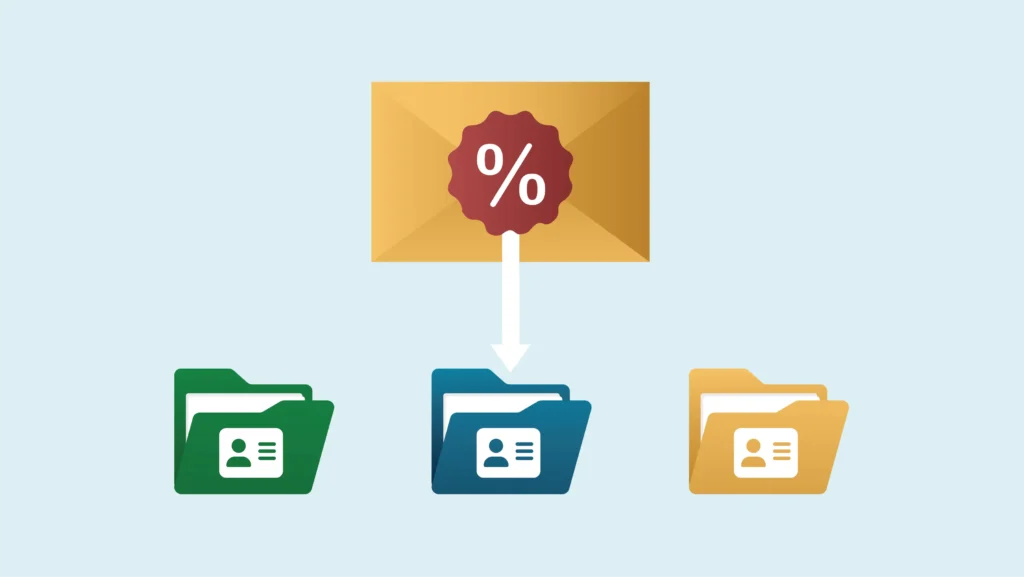
Here’s where the magic happens! With user segments defined, the platform or ad network you’re using delivers targeted content based on each segment’s unique profile. This could involve displaying relevant ads on other websites, sending personalized emails, or dynamically tailoring website content based on user behavior.
Imagine a clothing store with two main types of customers: young professionals and fitness fans. They can send different emails to each group. Young professionals might get emails about work clothes, while fitness fans might see offers for workout gear.
4. Personalization and Continuous Optimization
The beauty of behavioral targeting lies in its ability to evolve alongside your audience. User behavior and preferences are constantly changing, so successful campaigns require ongoing monitoring and optimization.
You can refine your targeting strategies and personalize content by analyzing campaign performance and user engagement to ensure continued effectiveness. This iterative process allows you to improve your campaigns and maximize their impact.
Behavioral Targeting Examples
Now that we’ve explored the inner workings of behavioral targeting, let’s see it in action! Here are some real-world examples of how marketers leverage different data points to deliver personalized experiences:
1. Running Personalized Email Campaigns
Imagine receiving an email with the subject line, “Remember that dress you loved?” Intrigued, you open the email to find a picture of the exact dress you browsed on the clothing store’s website a few days ago. The email might even suggest similar styles or complementary accessories based on your past browsing behavior.
2. Sharing Dynamic Website Content
Let’s say you’re browsing a travel website, dreaming of your next getaway. Behavioral targeting can personalize the website experience based on your browsing history. If you’ve been researching all-inclusive resorts in the Caribbean, the website might showcase prominent banner ads for those specific destinations, along with curated blog posts highlighting the best beaches and must-see attractions in the Caribbean.
3. Making Geolocation-Based Offers
Picture this: you’re on your lunch break, craving a delicious burger. Behavioral targeting can leverage your smartphone’s location data (with your permission, of course!) to send you a targeted notification. A nearby burger joint can send you a tempting offer for their signature cheeseburger and fries, complete with a discount code for a quick and satisfying lunch break.
4. Sending Abandoned Cart Reminders
We’ve all been there. You fill your online shopping cart with goodies, only to get distracted and abandon it before checkout. Behavioral targeting can come to the rescue! By analyzing abandoned carts, marketers can trigger automated emails reminding you about the items left behind. These emails might even offer a discount or free shipping incentive to entice you to complete the purchase.
5. Search Retargeting
Ever researched a specific product online, only to be bombarded with ads for it everywhere you turn on the internet? That’s search retargeting in action. This technique leverages your search queries to display relevant ads for the products or services you’ve shown interest in.

Tips for Successful Behavioral Targeting
Now that we’ve explained the benefits of behavioral targeting and looked at real-life examples, here are some tips to help you use it effectively and ethically:
Use Custom Branded Links
So you’ve figured out the right offer, to make to the right person, at exactly the right time.
The only thing left is to package your message in the most effective way possible. This is why custom branded links should be used for every campaign you run.
Instead of relying on generic link shorteners, consider using TinyURL’s custom branded links. This allows you to create short URLs that incorporate your brand name. Think of it like a miniature billboard attached to every link you share.
Here’s the benefit:
Branded links not only enhance brand recall but also provide valuable insights within TinyURL’s analytics. For instance, instead of a generic string of characters, your behavioral advertising campaigns could utilize links like “yourdomain.com/summer-sale” or “yourdomain.com/fitness-guide.”
Leverage Detailed Analytics
Speaking of insights, TinyURL’s robust analytics feature empowers you to see precisely how different user segments interact with your shortened URLs across various campaigns.
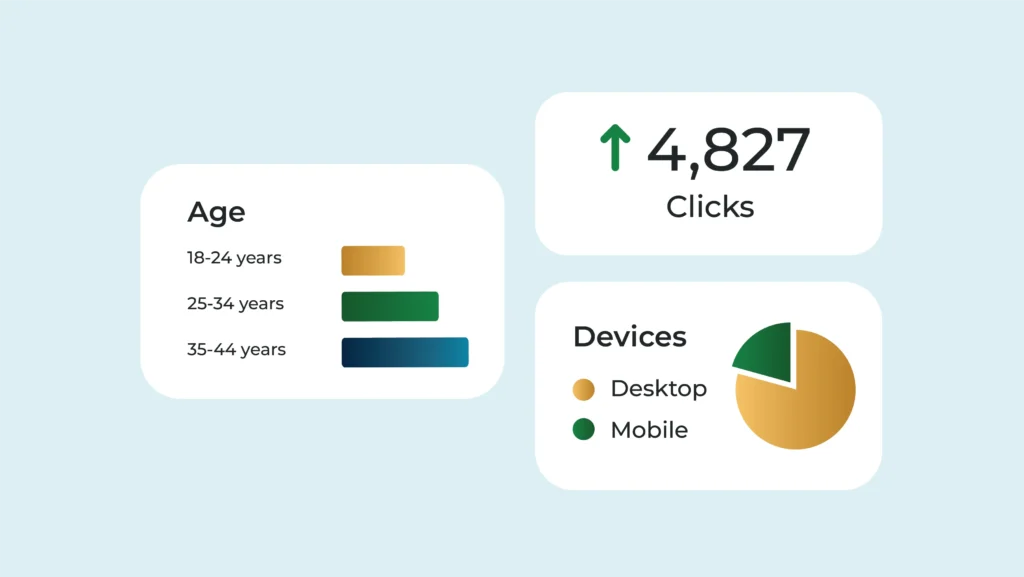
You can track clicks, demographics, and even device types used to access the links. This granular data allows you to refine your targeting strategies and tailor content based on what resonates most with specific user groups.
Imagine a campaign targeting fitness enthusiasts promoting a new line of workout apparel. By analyzing TinyURL’s click data for branded links used in the campaign, you can see if the campaign performs better on mobile devices or desktops.
Prioritize User Privacy and Trust
Building trust with your audience is paramount in today’s digital landscape. Be transparent about how you collect and use user data for behavioral targeting. Clearly outline your privacy policy and offer users control over their data.
Remember, ethical data collection and responsible targeting practices are key to fostering long-term customer relationships.
Automate Personalization
Gone are the days of crafting individual emails for every customer. Leverage marketing automation tools to personalize emails, website content, and even push notifications at scale. You can deliver highly relevant messages without sacrificing efficiency by pre-defining user segments and tailoring content templates.
Imagine sending a personalized email campaign promoting running shoes to users who have recently clicked on TinyURL links related to running gear. Automation allows you to deliver targeted messages with ease.
Boost Your Marketing Campaigns With TinyURL
We explored the power of behavioral targeting, unpacked real-world examples, and equipped you with practical tips for successful implementation. Now, let’s discuss how TinyURL can elevate your marketing campaigns to the next level.
TinyURL goes beyond link shortening, packing a powerful one-two punch for your behavioral targeting with:
- Branded Links: Ditch generic link shorteners and leverage TinyURL’s custom branded links. These links incorporate your brand name, reinforcing trust and brand recognition.
- Deep User Insights: TinyURL’s analytics reveal how different user segments interact with your shortened URLs across various campaigns. You can track clicks, demographics, and even device types used to access the links.
Ready to elevate your marketing campaigns with the power of behavioral targeting? Sign up today!