The way a brand is perceived by consumers can influence their purchasing decisions, loyalty, and overall relationship with a business. Understanding the importance of brand perception, knowing how to accurately measure it, and implementing effective strategies to enhance it are crucial steps for any organization aiming to thrive in a competitive market.
In this blog post, we will delve into the significance of brand perception, explore methods to measure it accurately, and provide practical tips to positively shape and improve how your brand is viewed by your audience.
Main Takeaways From This Article:
- Brand perceptions are critical for a company’s success and depend on customers’ impressions of your brand.
- Measuring brand perception involves a brand perception survey, social media monitoring, reviews analysis, brand audits, brand focus groups, competitor benchmarking, and key metrics analysis.
- Improving brand perception requires consistent messaging, exceptional customer service, active social media engagement, high-quality products, and continuous innovation.
- TinyURL can enhance brand perception by providing custom, professional-looking links that generate trust and familiarity.
What Is Brand Perception?
Brand perception is how consumers view and interpret a brand based on their experiences, emotions, and interactions. It’s the mental image and feelings that arise when they think about or engage with a brand, influencing their purchasing decisions and loyalty. Ultimately, it’s what people believe a brand represents beyond official messaging.

Why Is Measuring Brand Perception Important?
Understanding how your audience perceives and experiences your brand is crucial for several reasons. These include:
- Informed Marketing Decisions: By understanding brand perception, you can tailor your marketing messages to better resonate with your target audience.
- Improved Customer Loyalty: A positive brand perception fosters trust and loyalty, encouraging customers to come back for more.
- Enhanced Brand Advocacy: When customers have a positive experience, they become brand advocates, spreading the word organically.
- Competitive Advantage: A strong brand perception can give you a significant edge over competitors, allowing you to command premium prices.
How To Measure Brand Perception
Now that you know why brand perception matters, let’s explore some strategies to help you accurately gauge yours.
1. Conduct Brand Perception Surveys
Understanding how your target audience perceives your brand begins with asking the right questions. Here are some key areas to focus on:
- Customer Satisfaction: Ask about overall satisfaction with your products or services to gauge general sentiment.
- Brand Attributes: Inquire about the qualities and attributes customers associate with your brand.
- Comparative Analysis: Determine how your brand stacks up against competitors in the eyes of your customers.
- Emotional Connection: Explore the emotional responses and connections your brand evokes.
- Improvement Areas: Seek feedback in areas where customers feel your brand can improve.
- Demographic Information: Collect customer demographics data to understand your audience.
2. Monitor Social Media
Social media is a goldmine for gauging public sentiment about your brand online. Here’s how to effectively use social media for monitoring brand perception:
- Use Social Listening Tools: Tools like Hootsuite Insights, Brandwatch, and Talkwalker help you track brand mentions and conversations, providing insights into public opinion.
- Analyze Engagement Metrics: Pay attention to likes, shares, comments, and mentions to measure how well your audience interacts with your content.
- Monitor Hashtags: Track specific hashtags related to your brand or industry to stay updated on trending topics and consumer opinions.
- Respond to Feedback: Engage with your audience by responding to comments and messages. This shows that you value their opinions and are committed to addressing their concerns.
3. Analyze Reviews
Customer reviews offer a wealth of insights. Pay close attention to both positive and negative reviews and identify areas for improvement based on customer feedback. Here’s how to effectively analyze reviews:
- Identify Common Themes: Look for recurring compliments or complaints to pinpoint areas that need improvement or highlight your strengths.
- Gauge Sentiment: Use sentiment analysis tools to quantify the emotional tone of the reviews, providing a clearer picture of how customers feel about your brand.
- Monitor Review Sites: Keep an eye on popular review platforms like Yelp, Google Reviews, and dedicated niche sites to stay updated on customer opinions.
- Respond Promptly: Respond promptly and professionally to negative reviews to demonstrate your commitment to addressing customer feedback and resolving any issues.
- Incorporate Feedback: Use the insights from reviews to make informed changes that enhance your products, services, and overall customer experience.
4. Perform Brand Audits
Brand audits are an indispensable tool for improving and understanding how customers perceive your brand. By performing a comprehensive brand audit, you can uncover your brand’s strengths and weaknesses, enabling you to strategize effectively for future growth.
Here’s how you can conduct a successful brand audit:
- Analyze Brand Messaging: Evaluate your brand messaging across all channels to ensure consistency and alignment with your brand values.
- Assess Visual Identity: Examine your logos, color schemes, and design elements to determine if they accurately reflect your brand’s identity.
- Review Customer Feedback: Gather and analyze customer feedback to pinpoint areas that need improvement and understand public sentiment.
- Evaluate Competitor Performance: Compare your brand’s performance with competitors to identify gaps and opportunities for differentiation.
- Examine Internal Branding: Look into your company culture and employee engagement to ensure your internal brand aligns with your external messaging.
5. Benchmark Against Competitors
Understanding where your brand stands in relation to competitors is essential for contextualizing brand perception data. Benchmarking helps you strengthen your brand equity by identifying your strengths and areas for improvement by directly comparing performance metrics with those of your competitors.
Here’s how to effectively benchmark competitors:
- Share of Voice: Determine your brand’s percentage of total market conversation compared to competitors. A higher share of voice generally indicates greater brand awareness.
- Sentiment Analysis: Analyze how positive or negative mentions about your brand stack up against those of competitors. This can provide insights into the emotional reactions your brand evokes.
- Customer Experience: Compare metrics like Net Promoter Scores (NPS) and Customer Satisfaction Scores (CSAT) with competitors to gauge relative customer loyalty and satisfaction.
- Market Positioning: Assess how your brand’s value propositions and unique selling points compare to those of others in the industry. Understanding this can help refine your branding strategies.
6. Analyze Key Brand Perception Metrics
Analyzing key metrics is essential to getting a comprehensive picture of how your brand is perceived. Here’s how to effectively analyze key brand metrics:
- Net Promoter Score (NPS): To determine customer loyalty, ask customers how likely they would be to recommend your brand to others.
- Customer Satisfaction Score (CSAT): Assesses customer satisfaction with a particular aspect of your product or service.
- Website Analytics: Track total site traffic, referral sources, bounce rate, page views, and dwell time to understand user engagement.
- Social Media Mentions: Monitor online conversations about your brand to gauge public sentiment and identify trends.
- Review Ratings: Analyze customer reviews for recurring themes and overall satisfaction levels.
Tips to Improve Brand Perception
Let’s now explore some tips you can practice to set your business apart. From employing modern tools like TinyURL to maintaining a consistent message across all platforms, these actionable tips can help positively shape public opinion about your brand.
Utilize TinyURL for Neater Links
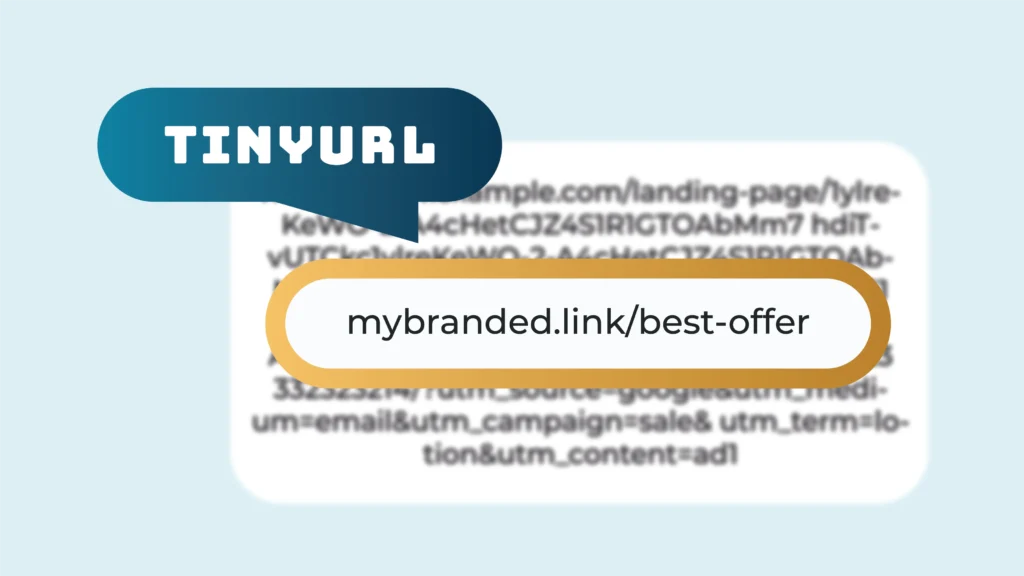
TinyURL is a fantastic tool to help you manage your brand perception by creating clean, shortened, memorable links. These links look professional and reinforce your brand’s attention to detail, making a lasting impression on your audience. Here’s how TinyURL can be an asset for your brand:
- Professional Appearance: Customizable URLs appear more polished and professional than long, messy URLs, improving your professional appearance and building trust.
- Consistent Branding: By using branded links, you maintain consistency across all your communication channels, reinforcing your brand identity.
- Improved User Experience: Shorter, more straightforward URLs make it easier for users to remember and share your links, leading to better engagement.
- Better Analytics: TinyURL provides click-tracking analytics, allowing brands to measure the effectiveness of their links and better understand their audience’s behavior.
Maintain Consistent Brand Messaging
Maintaining consistent brand messaging is crucial for building a strong, recognizable brand. Here’s how you can maintain consistent messaging:
- Define Your Brand Voice: Establish a unique voice that reflects your brand’s values and personality. Stick to this tone across all communication channels.
- Create a Style Guide: Develop guidelines for language, tone, and visual elements. Ensure that all team members and partners follow these rules.
- Train Your Team: Make sure everyone involved understands the brand messaging and how to communicate it consistently.
- Maintain Visual Consistency: Use the same logos, colors, and fonts across all marketing materials to create a cohesive brand image.
Provide Exceptional Customer Service
Exceptional customer service is the cornerstone of stellar brand perception. Here are some ways to enhance your customer service:
- Quick Response Times: Aim to respond to customer inquiries and complaints as swiftly as possible. Fast responses show you value their time and prioritize their needs.
- Personalized Experiences: Tailor your interactions to meet individual customer needs. Personalized service can significantly enhance customer satisfaction and foster loyalty.
- Solicit Feedback: Actively seek customer opinions about your products and services. Use this feedback to improve and continually show that you value their input.
- Follow-Up: After resolving an issue, follow up to ensure the customer is satisfied with the outcome. This extra step shows you care about their experience.

Actively Engage on Social Media
Interacting with your audience on social media is more than just posting updates—it’s about fostering genuine connections and actively listening to your customers. Here’s how you can implement this:
- Regular Updates: Keep your followers informed with consistent posts that share valuable insights, news, or engaging content.
- Respond to Comments: Show your audience that you value their input by promptly replying to their comments and messages.
- Host Live Sessions: Engage with your audience directly through live videos or Q&A sessions to build a more personal connection.
Deliver High-Quality Products
Delivering high-quality products is a non-negotiable for businesses striving to establish and maintain a solid brand perception. Here’s how you can ensure your products stand out:
- Stringent Quality Control: Implement rigorous testing and inspection protocols at every stage of the production process to catch and correct defects or issues.
- Customer-Centric Development: Gather and utilize customer feedback to refine and improve your products continuously.
- Transparent Communication: Clearly communicate your products’ features, benefits, and limitations to set accurate customer expectations.
Continuously Innovate
Innovation is key to keeping your brand fresh and relevant in customers’ eyes. Here’s how you can innovate efficiently:
- Keep Up With Trends: Stay informed about the latest industry trends and incorporate them into your products or services.
- Invest in R&D: Allocate resources towards research and development to create cutting-edge solutions and stay ahead of the curve.
- Encourage Creativity: Foster a culture that values and rewards creative thinking and problem-solving.
- Seek Customer Feedback: Actively seek input from your customers to understand their needs and preferences and innovate accordingly.
- Embrace Technology: Utilize the latest technologies to streamline processes, improve products, and enhance the overall customer experience.
Examples of Brands Shifting Their Brand Perception
Shifting how a brand is perceived can be a game-changer for businesses seeking to stay relevant and competitive. Various companies have successfully transformed their brand image to align better with their target audience’s expectations and market trends.
Here are some brand perception examples to show you how some brands have managed to shake off a negative brand perception and reinvent themselves:
Zoom’s Repositioning
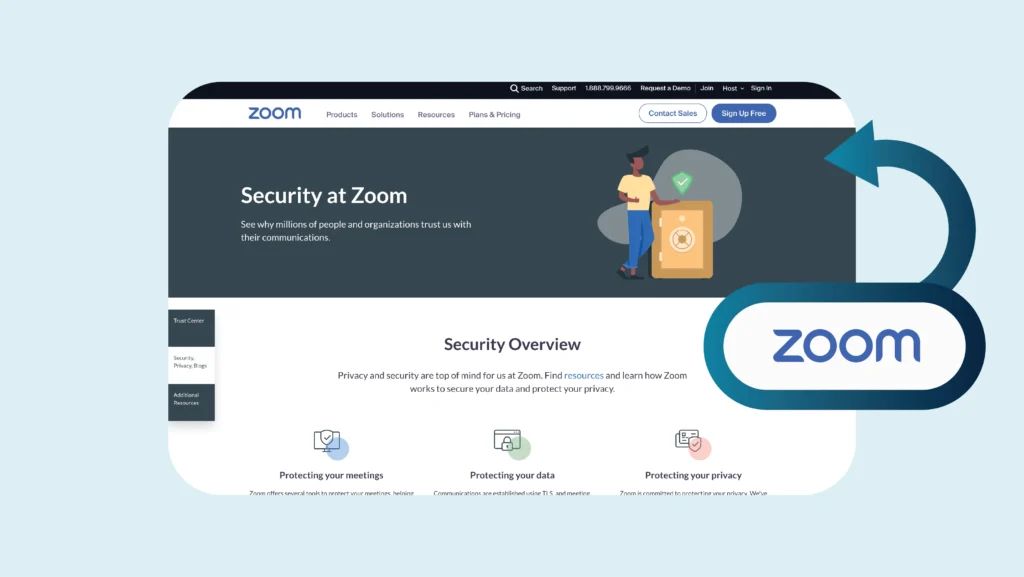
Initially facing issues related to security and privacy, Zoom undertook a significant rebranding campaign. They introduced new features, improved security protocols, and launched expansive marketing efforts to redefine their image as a trustworthy and essential tool for both personal and professional use.
Chipotle’s Fresh Focus
After facing criticism over food safety concerns, Chipotle shifted its brand perception by highlighting its commitment to fresh and natural ingredients. They prioritized sourcing high-quality produce, appealing to health-conscious customers, and invested in marketing campaigns emphasizing their commitment to clean eating.

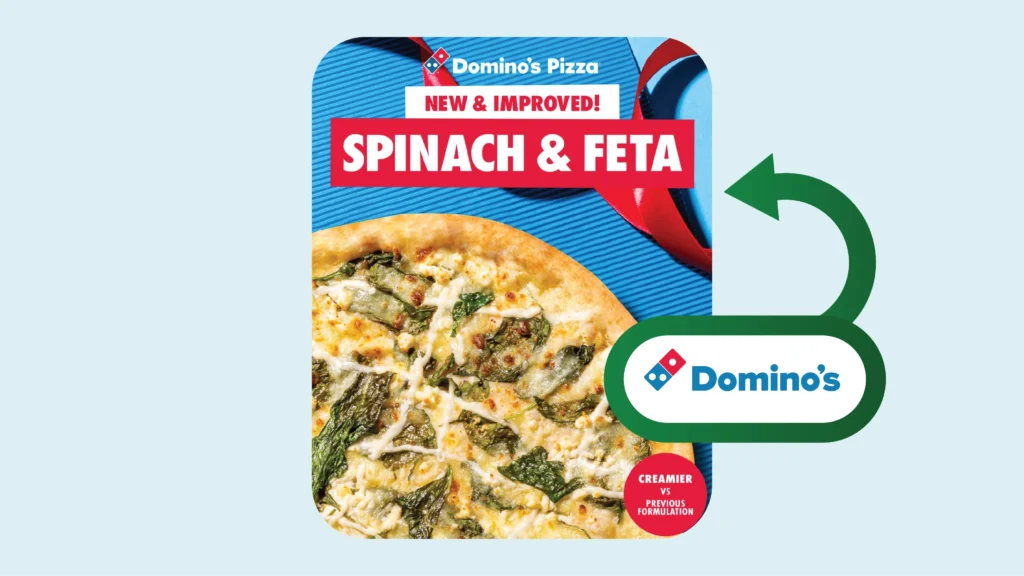
Domino’s Pizza Transformation
Previously burdened with a reputation for subpar product quality, Domino’s took customer feedback to heart and revamped its entire menu. They focused on improving the taste and quality of their pizzas and communicated these changes through transparent and engaging marketing campaigns.
Foster a Positive Brand Identity with TinyURL
Building a strong brand perception is an ongoing journey, but with the right tools, you can make a significant impact. Fostering a positive brand identity is essential for building trust and loyalty among your audience.
TinyURL goes beyond simple link shortening. It empowers you to present your brand with professionalism and polish in every interaction.
Here’s how TinyURL elevates your brand perception:
- Clean, Professional Links: No more messy, character-laden URLs cluttering your marketing materials. TinyURL creates brand-safe, memorable links that project an image of quality and attention to detail.
- Increased Trust and Credibility: Long, unwieldy links can raise red flags for consumers. TinyURL’s clean, branded links reassure users they’re clicking on a legitimate source, fostering trust in your brand.
- Seamless Brand Experience: TinyURL integrates seamlessly with your existing marketing efforts. Short, branded links are easier to share across platforms, both online and offline, creating a consistent and cohesive brand experience.
Ready to take control of your brand’s perception? Get started with a free TinyURL account!