Ever wondered why some marketing campaigns hit the mark while others simply fall flat? The secret often lies in understanding and connecting with your audience. That’s where audience segmentation comes into play.
The strategy of audience engagement allows you to divide your broad audience into more specific groups to target them more effectively.
In this post, we’ll explore the different types of audience segmentation—demographic, psychographic, behavioral, and geographic. We’ll also share actionable tips to implement these strategies, ensuring your marketing strategy is efficient and impactful.
Additionally, we’ll discuss how tools like TinyURL can be crucial in measuring and fine-tuning segmentation strategies.
Main Takeaways From This Article:
- Audience segmentation divides a broad audience into smaller, more manageable groups based on shared characteristics.
- Types of segmentation include demographic, psychographic, behavioral, and geographic.
- Effective segmentation leads to improved targeting, deeper audience insights, and higher engagement rates.
- Following practical tips like using data analytics, creating buyer personas, and integrating across channels boosts marketing efforts.
- Employing tools like TinyURL helps track and refine segmentation strategies for better marketing outcomes.
What Is Audience Segmentation?
Audience segmentation refers to the process of dividing a large audience into smaller groups based on common characteristics. These characteristics may include demographics (like age, income, location, etc.), behaviors (like purchase history, website browsing, etc.), and interests or values.
Intent Behind Segmentation
The goal is to understand the different segments within your audience and create groups of people who are likely to respond similarly to marketing messages or campaigns. This allows marketers to target their efforts more effectively and deliver more relevant content to each segment.
Why Is Audience Segmentation Important?
In today’s crowded marketplace, a one-size-fits-all approach simply doesn’t cut it. Audience segmentation is the secret tool that helps you break through the noise and connect with your target audience on a deeper level. Here’s how segmentation supercharges your marketing efforts:
Improved Targeting
Instead of scattershot marketing, you can craft personalized greetings and messages that resonate with each audience segment’s specific needs and interests. This leads to higher engagement, just like sparking a conversation at a social event.
Deeper Insights Into Target Audience
Splitting up your audience into different segments gives you a deeper understanding of their unique characteristics and preferences. This allows you to tailor your communication for maximum impact, similar to how you might adjust your conversation style based on who you’re talking to at the party.
Increased Engagement
When people receive messages relevant to them, they’re more likely to pay attention, click, share, and ultimately convert. When you segment your audience, you create content that resonates with each segment, leading to a surge in engagement.
Higher Conversion Rates
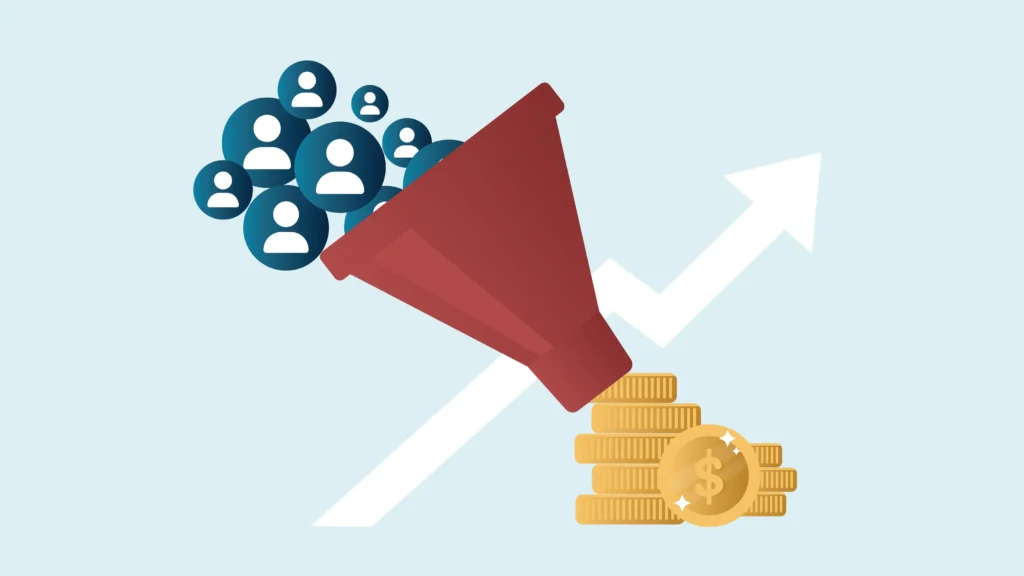
Targeted messages resonate better, leading people to take the desired action, whether making a purchase, signing up for a newsletter, or downloading a white paper. By segmenting your audience, you see a much higher conversion rate as targeted messages convert better, boosting your sales or leads.
Better Resource Allocation
Segmentation allows you to allocate your marketing resources strategically. By understanding your audience segments, you can focus your efforts on the groups with the highest potential return on investment (ROI).
Greater Customer Retention
When you segment audiences, you gain a deeper understanding of their needs and preferences. This allows you to tailor your communication to keep them engaged and satisfied, fostering stronger customer relationships and loyalty.
Enhanced Marketing ROI
You achieve a greater return on your marketing investment by improving targeting, increasing conversion rates, and allocating resources efficiently. Segmentation helps you get the most out of your marketing budget by focusing on the right audience segments.
Types of Audience Segmentation
Now that you understand the power of audience segmentation, let’s explore the different ways to categorize your audience for targeted marketing efforts.
Here are the main types of audience segmentation:
Demographic Segmentation
This organizes your audience into groups based on real facts such as age, how much money they make, if they are male or female, how much education they have, what job they have, and how big their family is. Demographic data is readily available and provides a strong foundation for initial segmentation.
Psychographic Segmentation
This goes beyond demographics and dives into your audience’s values, interests, lifestyles, personality traits, and social status. Understanding these psychological factors helps you create content that resonates with their aspirations and motivations.
Behavioral Segmentation
This focuses on how your audience interacts with your brand or similar products. This could include purchase history, website browsing behavior, product usage patterns, and content engagement. Behavioral data allows you to target audiences based on their past actions and predict future behavior.
Geographic Segmentation
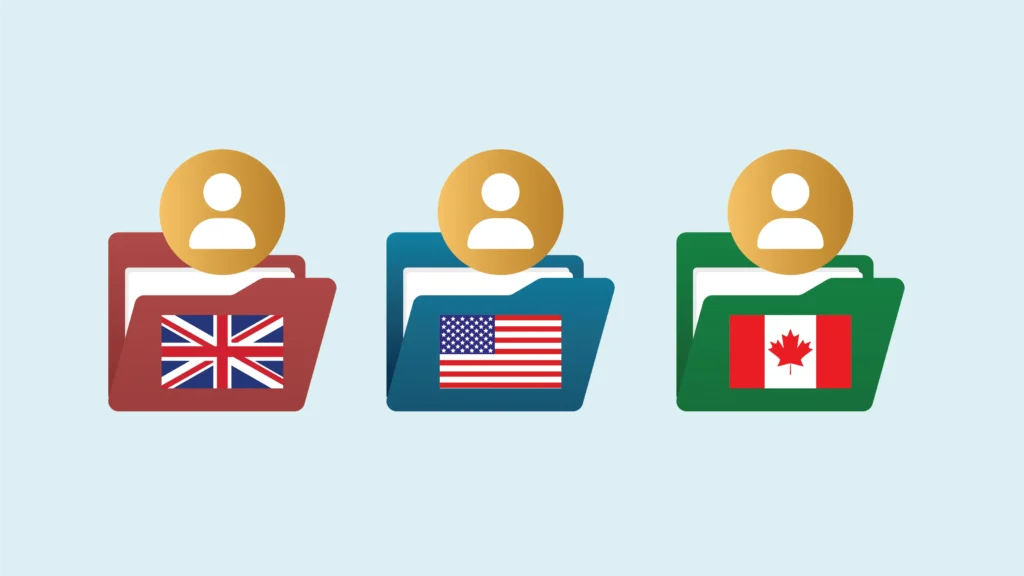
This type of segmentation categorizes your audience by physical location, whether it’s by country, region, city, or zip code. It proves especially helpful for businesses with a local focus or those aiming to reach specific areas with distinct preferences.
Nine Audience Segmentation Tips to Boost Your Marketing Efforts
Now that you’ve grasped the different segmentation methods, let’s translate theory into action. Here are nine actionable tips to take your audience segmentation strategies from good to great:
1. Use Data Analytics Tools
Don’t fly blind! In today’s data-driven world, guesswork is a recipe for marketing misses. Fortunately, a wealth of information is at your fingertips! Marketing platforms and analytics tools can provide a treasure trove of insights into your audience.
Uncover demographics, behavioral patterns, and even preferences. This data is the fuel that will power your segmentation strategy, allowing you to segment your audience based on more than just hunches—it’s based on real customer data.
2. Define Clear Objectives
Before you dive into segmentation, take a moment to chart your course by defining your marketing objectives clear as day. What do you want to achieve? Is it:
- Boosting brand awareness?
- Increasing sales of a specific product line?
- Generating qualified leads for your sales team?
Having a clear target in mind from the outset guides your segmentation strategy and helps you measure success later down the line. Think of it like setting a destination before you embark on a journey—with a defined goal, you can tailor your segmentation approach to get there.
3. Collect Comprehensive Data
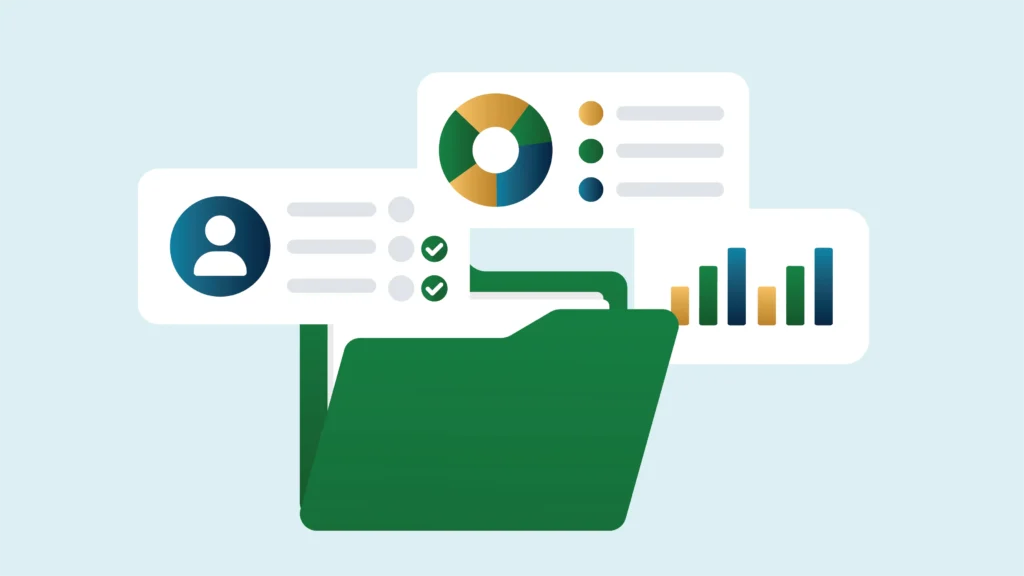
Cast a wide net! Gather data from as many sources as possible to build a rich profile of your audience. This could include:
- Website Analytics: Track user behavior on your website to understand how different segments interact with your content and offerings.
- Customer Surveys: Get direct feedback from your audience through surveys to understand their needs, preferences, and pain points.
- Social Media Engagement: Analyze how different audience segments engage with your social media content to identify their interests and preferred communication styles.
- CRM Systems: Utilize your Customer Relationship Management system to gather valuable data on past purchases, buying habits, and customer service interactions.
The more data points you have, the more refined and effective your audience segments can be.
4. Create Detailed Buyer Personas
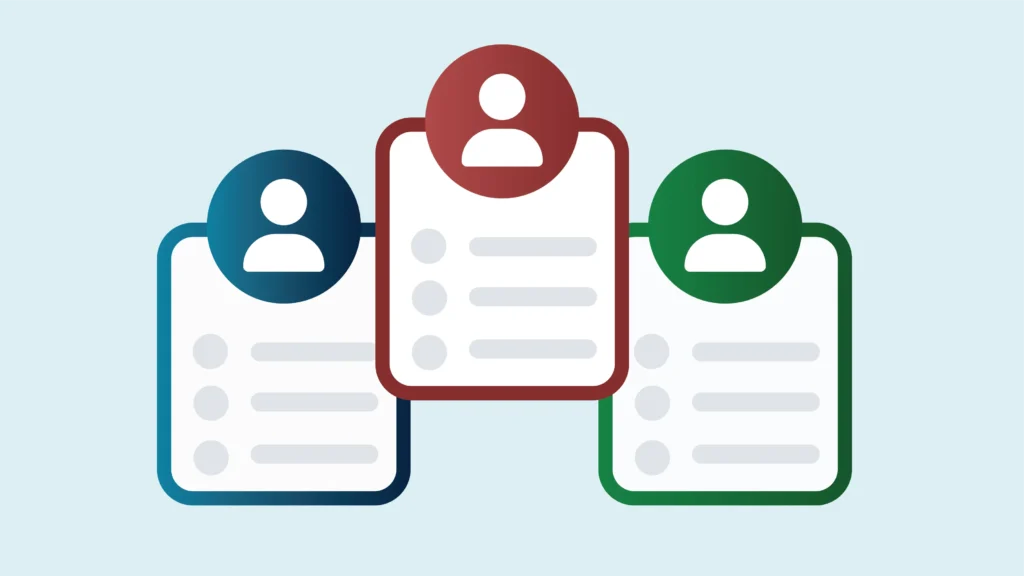
Give your audience segments a face! Develop detailed profiles of your ideal customers within each segment. These personas should be like characters coming to life, representing the commonalities you see in your data.
Here’s what to include:
- Demographics: Age, income, location, education level, etc.
- Psychographics: Values, interests, lifestyles, and personality traits.
- Behavioral Characteristics: Purchase history, website browsing behavior, product usage, and content engagement.
By creating buyer personas, you can understand each audience segment’s motivations, needs, and challenges. This enables you to create targeted marketing messages that are bound to resonate and drive action.
5. Test and Refine Audience Segments
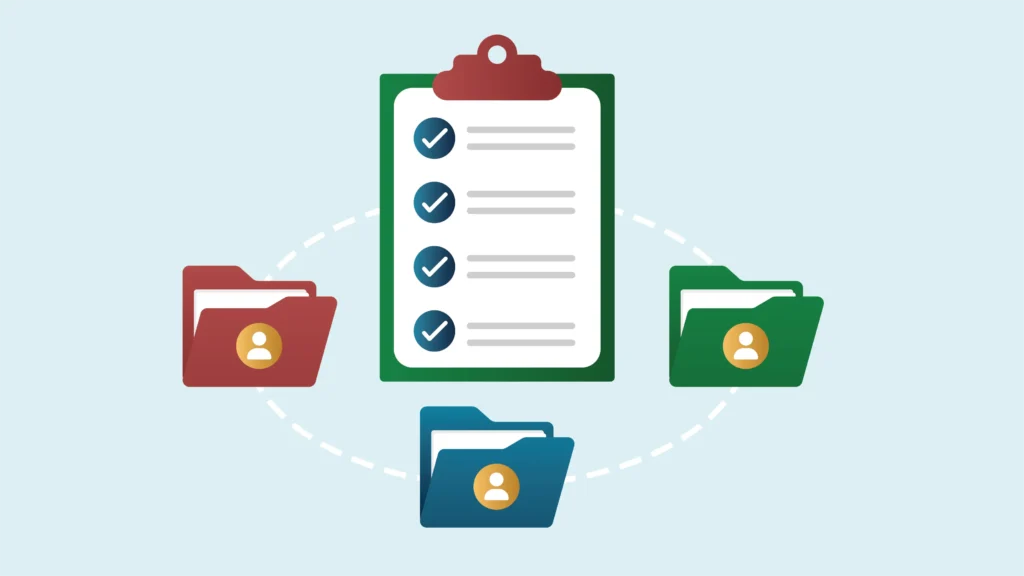
Don’t be afraid to experiment and adjust! Segmentation is an ongoing process. Track key metrics like engagement and conversion rates for each segment to see what resonates. Here’s how to refine your segments:
- A/B Testing: Test different segmentation criteria and messaging approaches to see which ones perform best.
- Analyze Engagement: Identify segments with low engagement and explore ways to refine them for better targeting.
- Merge or Split Segments: As you gather more data, you may find opportunities to merge similar segments or further subdivide larger segments for increased precision.
Be prepared to adjust your segmentation strategy based on the results. The more you test and refine, the more effective your segmentation will become.
6. Focus on High-Value Segments
Maximize your marketing return by strategically allocating resources. Identify the segments with the highest potential return on investment (ROI). These segments are most likely to convert into paying customers or loyal brand advocates.
Think of them as the champions in your customer base. Allocate the bulk of your marketing budget and efforts to these high-value segments. This ensures you’re investing in the audience groups most likely to drive business growth.
7. Monitor Audience Segment Performance
Knowledge is power, and ongoing insights are key! Don’t just set your segmentation strategy and forget it. Continuously track the performance of each audience segment. Analyze metrics like:
- Click-Through Rates (CTR): See how often users in each segment click on your calls to action within your marketing messages. A high CTR indicates your message is resonating.
- Conversion Rates: Track how many users from each segment convert on your desired goals, such as making a purchase, signing up for a newsletter, or downloading a white paper. This metric reveals which segments are most likely to take action.
- Customer Lifetime Value (CLTV): Understand the total revenue a customer from each segment generates over their relationship with your brand. This metric helps you prioritize segments with high customer loyalty and long-term value.
By monitoring performance, you can identify which segments are thriving and which need additional attention. This allows you to optimize your marketing efforts for maximum impact.
8. Use Custom Links for Personalization
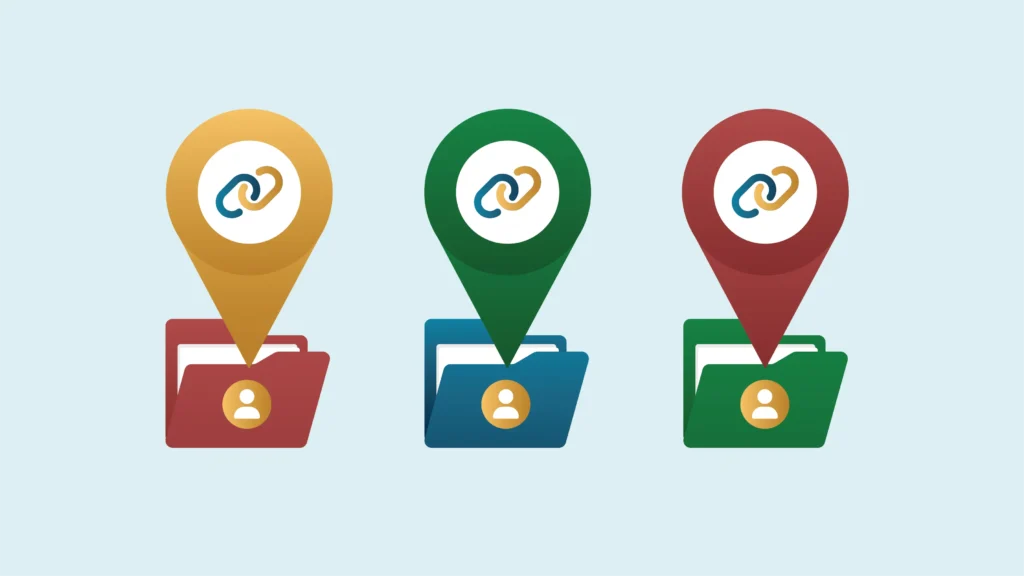
Take segmentation a step further and personalize the experience for each segment. Consider using link shortening and tracking tools like TinyURL. Here’s how it works:
- Create custom links with specific codes or identifiers for each segment.
- For example, you could create a link for young professionals (YP) and a separate link for retirees (RET) promoting your financial planning services.
- Share these custom links through targeted marketing campaigns.
- When someone clicks a link, TinyURL’s analytics can track which segment clicked the most.
This data lets you see which messages resonate best with each segment and tailor your future outreach accordingly. TinyURL can be a valuable tool for personalizing your marketing efforts and maximizing engagement.
9. Integrate Across Channels
Don’t deliver a siloed experience! Send a consistent brand message across all marketing channels for a unified customer experience. This includes:
- Email Marketing: Tailor email content and offers to resonate with the interests of each segment.
- Social Media Marketing: Craft social media posts that align with each segment’s preferences and social media behavior.
- Website Content: Personalize website content based on user behavior and segment data. For example, if a user from a segment interested in “mountain bikes” visits your website, you can display targeted content showcasing your mountain bike selection.
- Paid Advertising: Target and tailor copy for Google Ads and social media ads to reach specific audience segments.
- In-Store Signage and Brochures: Develop targeted signage for different customer segments. For example, signage near your athletic wear section might highlight performance features, while signage in your baby department could focus on comfort and safety.
Tailor the message for each channel while ensuring it aligns with the overall communication strategy for each segment. By creating a cohesive brand experience across channels, you reinforce your message and build stronger relationships with your audience segments.
Amplify Your Audience Segmentation Strategy With TinyURL
It’s no secret that audience segmentation is the very strategy that helps you craft highly targeted marketing messages that resonate. But what if you could take it a step further and personalize the experience for each audience segment?
TinyURL’s link tracking and analytics capabilities can supercharge your segmentation strategy, allowing you to:
- Craft Personalized Links: Create unique links with specific keywords for each segment. Use these in targeted marketing campaigns.
- Track Engagement by Segment: See which segments often click on links by creating ones that are segment-specific. Gain valuable insights into their interests and preferences.
- Tailor Content and Messaging: Use click-through data to refine your messaging and content for each segment. Deliver experiences that are truly relevant.
While the basic TinyURL plan allows you to create basic custom links, the paid plans offer even more features for advanced segmentation and personalization. Sign up for a TinyURL plan and experience the power of personalization for yourself!