What if you had a superpower that lets you hear every conversation happening around your brand across news sites or major social media channels? That’s essentially what social media monitoring offers businesses in today’s digital age. It’s like having a front-row seat to the unfiltered opinions and experiences your audience shares on social media platforms.
In this blog post, we will discuss social media monitoring, unpack its significance, and explain how it can empower you to understand and connect with your audience meaningfully.
We’ll also explore some of the top tools available to help you navigate the vast social media landscape and introduce you to the ultimate tool for maximizing your social media monitoring efforts: TinyURL.
Main Takeaways From This Article:
- Social media monitoring is essential for understanding and engaging with your audience across various platforms.
- It differs from social media management, focusing more on listening and analyzing rather than posting and interacting.
- Improving customer interaction and managing brand presence online are key benefits of effective social media monitoring.
- Top tools for social media monitoring include Hootsuite, Brandwatch, Sprout Social, BuzzSumo, Mention, and Socialbakers.
- Integrating TinyURL into your monitoring strategy can enhance link tracking and engagement measurement.
What Is Social Media Monitoring?
Social media monitoring is the practice of actively tracking and analyzing online conversations relevant to your brand, industry, and competitors. It’s more than just keeping an eye on mentions of your company name or hashtags. It involves using sophisticated tools to gather and analyze data from various social media platforms.
This data can include:
- Brand Mentions: Who’s talking about you, where, and how often?
- Sentiment Analysis: Are people praising your brand or expressing dissatisfaction?
- Industry Trends: What are the hot topics and conversations happening in your field?
- Competitor Analysis: What are your competitors doing on social media? How does their audience perceive them?
Social Media Monitoring vs. Social Media Management
Don’t confuse monitoring with management. While social media monitoring focuses on listening and gathering insights to create and publish content and analyzing basic platform data, social media management involves actively engaging with your audience. Consider this analogy: social media monitoring is like eavesdropping on a conversation, while social media management is about actively participating in it.
Many social media management platforms now offer built-in monitoring features. However, dedicated social media monitoring tools provide deeper insights and analytics capabilities.
The Importance of Social Media Monitoring
In today’s digital age, social media is where conversations happen. People are constantly sharing their thoughts and experiences online, making it crucial for businesses to listen actively.
Social monitoring allows you to:
- Improve Customer Service: Respond promptly to customer inquiries and address any negative feedback on social media accounts.
- Shape Your Brand Reputation: Monitor sentiment and take proactive steps to build a positive brand image.
- Inform Your Content Strategy: Understand what content resonates with your audience and tailor your future posts accordingly. Get inspired by trending topics and audience conversations.
- Identify Influencers: Find key individuals who can amplify your brand message.
- Gain Customer Insights: You can learn what your customers like and dislike about your brand and products.
- Spot Potential Crises: Catch negative mentions early on and address them before they snowball into a PR nightmare.
- Measure Your Social Media ROI: Track the impact of your social media campaigns and identify areas for improvement.
- Stay Informed About Industry Trends: Understand what’s happening in your field and adapt your strategies accordingly.
Examples of Social Media Monitoring
Let’s see how some businesses put social media monitoring into action:
- A travel agency monitors mentions of popular destinations and travel tips to understand what kind of vacations their target audience is interested in.
- A clothing brand tracks mentions of its latest clothing line to gauge customer sentiment and identify potential design flaws.
- A restaurant chain monitors social media for customer feedback about their food, service, and ambiance. They can then address any recurring issues and highlight positive reviews.
- A software company uses social listening to understand customers’ challenges and develop solutions that address them directly.
- An airline can track customer sentiment regarding flight delays and cancellations and identify negative experiences to reach out to affected passengers and offer apologies or compensation.
Top Tools for Social Media Monitoring
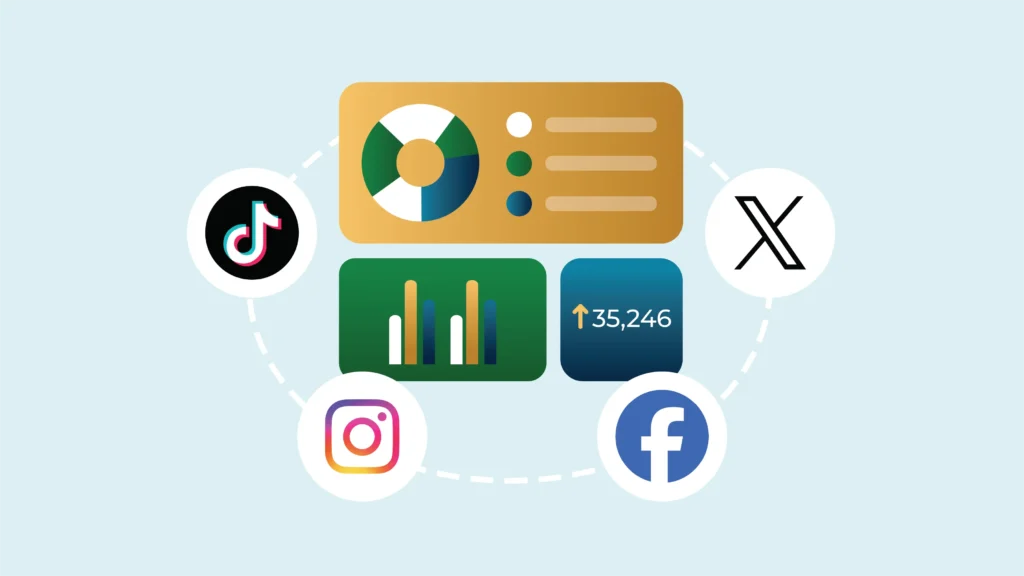
Using the right social media monitoring platforms is crucial for successful social media monitoring. Here’s a breakdown of some popular platforms and their key features to help you choose the best one for your needs:
1. Hootsuite
Hootsuite is a widely recognized all-in-one social media management tool. It excels at offering a centralized dashboard for monitoring brand mentions, scheduling posts across various social media platforms, and engaging with your audience.
Hootsuite’s “Streams” feature allows you to set up customized feeds for specific keywords, hashtags, and competitors, keeping you updated on all relevant conversations in real time. Additionally, Hootsuite offers basic social listening functionalities, making it a well-rounded option for businesses starting their social media monitoring journey.
Pros
- Easy to use
- Manages multiple accounts
Cons
- Limited in-depth analytics compared to other tools
2. Brandwatch
Brandwatch is a powerful solution for businesses seeking advanced social media listening capabilities. It goes beyond basic monitoring by offering in-depth sentiment analysis, influencer identification, and competitor benchmarking.
Brandwatch provides a holistic view of your brand’s online presence, allowing you to identify trends, optimize your marketing strategy, and measure the success of your social media campaigns. However, Brandwatch typically comes with a higher price tag compared to other tools.
Pros
- Advanced analytics
- Competitor insights
- Influencer identification
Cons
- Complex interface for beginners
3. Sprout Social
Sprout Social is another popular all-in-one platform that combines social media management features with robust social listening tools. It allows you to track brand mentions, analyze audience demographics, and schedule posts across various social media platforms. Sprout Social offers a user-friendly interface with insightful reporting tools, making it a good choice for businesses looking for a comprehensive, easy-to-use solution.
Pros
- User-friendly
- A good balance of features and ease of use
Cons
- Analytics may not be as in-depth as dedicated social listening tools.
4. BuzzSumo
While not strictly a social media monitoring tool, BuzzSumo offers valuable features that complement your monitoring efforts. It excels at content discovery, helping you identify trending topics and high-performing content within your industry. By understanding what resonates with your audience, you can tailor your social media content strategy. BuzzSumo offers a freemium plan with limited features, but paid plans unlock access to in-depth analytics and competitor insights.
Pros
- Content discovery tool
- Identifies trending topics
- Helps refine social media content strategy
Cons
- Limited social listening functionality
- It may not be ideal for standalone monitoring
5. Mention
Mention excels at comprehensive social media monitoring across various platforms and the web. It provides real-time alerts for brand mentions, competitor activity, and industry-relevant keywords, ensuring you stay on top of all relevant conversations.
Mention also offers sentiment analysis, giving you a quick snapshot of how your brand is perceived online. Additionally, it allows you to track brand mentions in specific locations, making it a valuable tool for businesses with a global reach or localized marketing campaigns.
Pros
- Comprehensive monitoring across platforms
- Real-time alerts
- Detailed reporting
Cons
- Interface may feel cluttered
6. Socialbakers
Socialbakers, now known as Emplifi, offers a comprehensive suite of social media management tools, including powerful social listening functionalities. It provides in-depth audience insights, competitor analysis, and influencer identification.
Socialbakers also excels at social media reporting, allowing you to generate detailed reports on your social media performance and the effectiveness of your monitoring efforts. However, due to its extensive features, Socialbakers can be a complex platform for beginners and comes with a price point tailored towards larger businesses.
Pros
- Comprehensive social media management suite
- Competitor analysis
- Influencer marketing tools
Cons
- Complex interface for smaller businesses
How To Choose the Right Social Media Monitoring Tool
With a variety of social media listening tools available, selecting the ideal one based on your specific needs and budget can be a bit overwhelming. Consider the following factors when making your choice:
- Your Budget: There are free and paid social media monitoring tools available. Free plans often offer limited features, while paid plans tend to provide more in-depth analytics and reporting capabilities.
- Your Needs: Assess whether you require basic brand mention tracking or advanced features like sentiment analysis and influencer identification.
- The Platforms You Use: Choose a tool that seamlessly integrates with all the major social media platforms like Facebook, Twitter, and Instagram on which your business is active.
- Ease of Use: If you’re new to social media monitoring, prioritize a user-friendly platform with a clear interface and helpful tutorials.
- Scalability: Will your monitoring needs grow in the future? Choose a platform that can adapt to your evolving requirements.
Integrating Social Media Monitoring into Your Marketing Strategy
Social media monitoring isn’t just about passively listening to conversations; it’s about leveraging those insights to inform and refine your overall marketing strategy. Here’s how to integrate social media monitoring into your marketing efforts for maximum impact:
1. Identify Your Goals
Start by establishing clear goals for your social media monitoring. Do you want to improve customer service response times? Enhance brand reputation? Gain insights into industry trends? Identifying your goals will guide you in prioritizing the information you gather through monitoring.
2. Track Relevant Metrics
Don’t just track the number of brand mentions. Use your chosen social media monitoring tool to analyze key metrics like sentiment analysis (positive, negative, or neutral), reach (how many people saw your brand mentioned), and engagement (likes, comments, shares). By tracking these metrics, you can measure your marketing efforts’ effectiveness and identify areas for improvement.
3. Respond Promptly and Professionally
Social media monitoring allows you to identify customer mentions, including questions, concerns, and feedback. Make it a priority to respond promptly and professionally to all interactions. This demonstrates your commitment to customer service and fosters positive brand perception.
4. Refine Your Content Strategy
Social media monitoring can reveal valuable insights into what resonates with your audience. Use these learnings to inform your content strategy. For instance, if you discover a trending topic relevant to your brand, you can create engaging content around it to capitalize on the opportunity and increase brand awareness.
5. Identify and Engage Influencers
By tracking industry conversations, you may discover influential voices shaping opinions within your target audience. Engage with these influencers authentically and consider collaborating with them on content creation or promotional campaigns. Partnering with relevant influencers can significantly amplify your brand message and reach a wider audience.
6. Proactively Address Negative Sentiment
Social media monitoring allows you to identify negative sentiment or potential brand crises early on. Address these issues head-on with transparency and a commitment to finding solutions. You can minimize reputational damage by proactively managing negative feedback and demonstrating your commitment to customer satisfaction.
7. Track Competitor Activity
Monitoring social media can provide valuable insights into your competitors’ strategies. Analyze their content themes, engagement tactics, and audience interactions. This knowledge allows you to identify areas where you can differentiate your brand and potentially gain a competitive edge.
Enhance Your Social Media Strategy With TinyURL
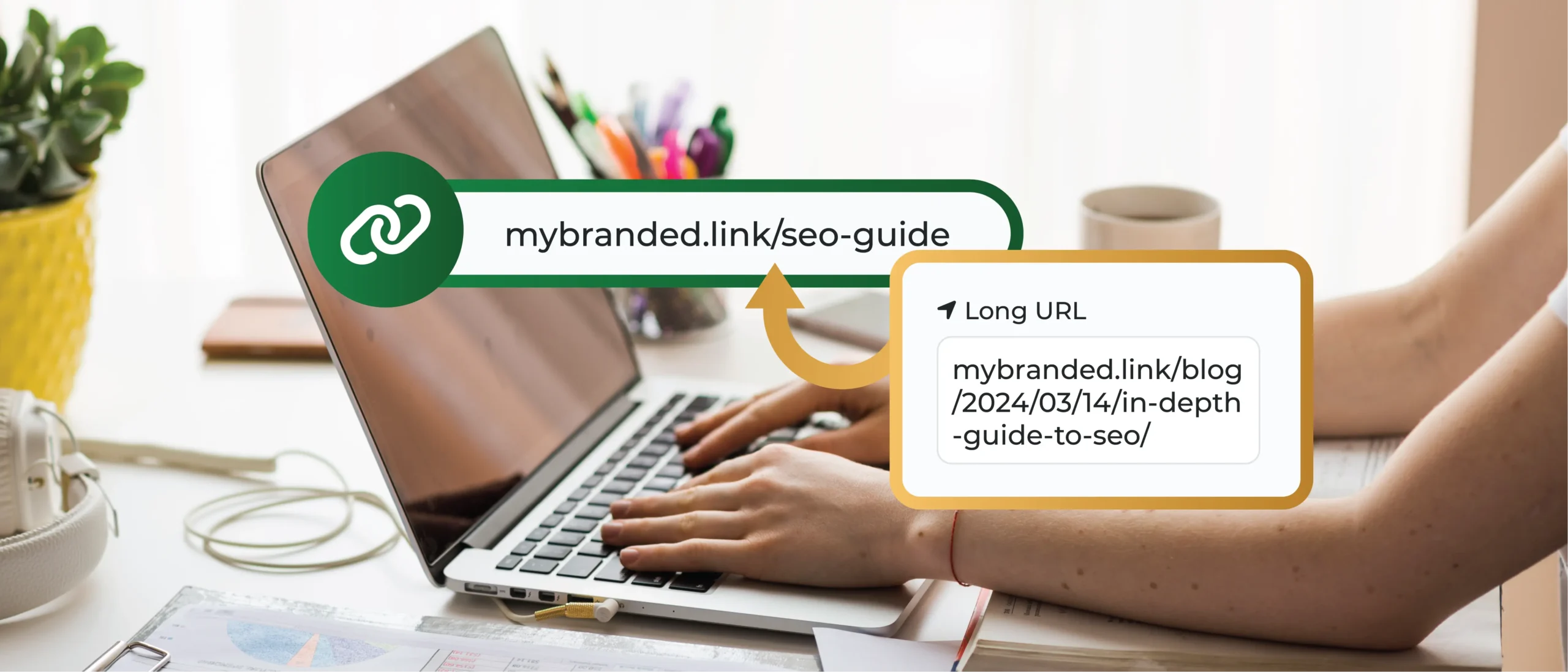
Imagine having a secret weapon in your social media monitoring arsenal. A tool that not only helps you understand your audience better but also enhances the effectiveness of your entire social media monitoring strategy with crisp links. That’s the power of TinyURL, a URL-shortening service that combines the power of making long links short and neat with analytics.
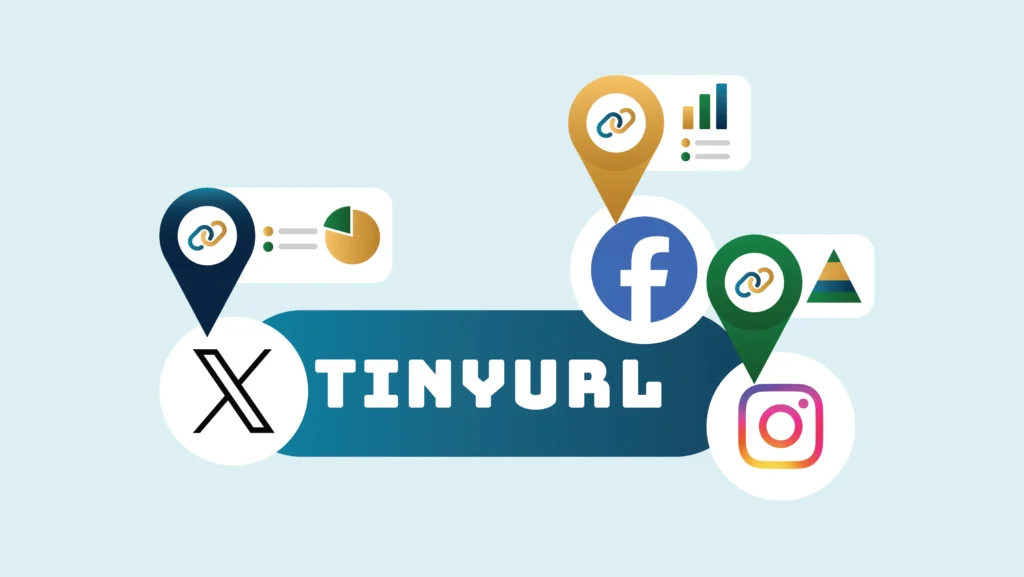
Integrating TinyURL with your social media monitoring strategy offers several advantages:
- Improved Tracking: TinyURL allows you to track clicks on your shortened links, providing valuable insights into which content resonates most with your audience. This data can be seamlessly integrated with your social media monitoring tools, giving you a more comprehensive picture of your audience engagement.
- Cleaner Appearance: Long URLs can clutter your social media posts. TinyURL offers a clean and concise way to share links, making your posts visually appealing and easier to read.
- Brand Consistency: TinyURL allows you to customize your shortened URLs with your brand name. This creates a consistent brand experience and increases brand recognition across your social media platforms.
Incorporating TinyURL into your social media monitoring strategy empowers you to understand your audience’s engagement better and optimize your content for maximum impact.
Curious to see TinyURL in action?