
Have you ever poured your heart and soul into creating a blog post, video, or social media campaign as part of your digital marketing strategy, only to hear crickets? It can be frustrating!
In today’s content-saturated world, simply creating great content isn’t enough. You need to know how it performs and connects with your audience. This is where measuring content performance comes in, helping you unlock the true power of your content strategy.
This post explores content performance, teaching you how to measure the impact of your content across different platforms using key metrics and techniques for improvement.
Main Takeaways From This Article:
- Evaluating content consistently helps identify areas for improvement and optimizes overall content marketing strategy.
- Understanding and monitoring key metrics like user behavior, engagement, conversion, SEO, and revenue is crucial for assessing content performance.
- Using branded links and compelling calls to action can enhance content effectiveness and build trust with your audience.
- Visuals, regular updates, and multi-channel promotion boost content engagement and relevance.
- Analytics tools like TinyURL, Google Analytics, and social media insights are essential for informed content strategy decisions.
What Is Content Performance?
Content performance refers to the effectiveness of digital content in achieving specific goals, such as engagement, traffic, conversions, and revenue. It is measured using metrics like views, shares, likes, comments, and click-through rates, providing insights into how well the content resonates with and influences the target audience.
Why Do You Need Content Performance Analysis?
Think of it like baking a cake. You follow a recipe (your content strategy), gather ingredients (your content), bake the cake (publish the content), and then decorate it (promote the content). But how do you know if your cake is a success?
You wouldn’t just leave it on the counter – you’d observe how quickly it disappears (user behavior), gather feedback from taste-testers (engagement), and maybe even analyze the sales figures (revenue metrics).
The same is true for content performance. By analyzing key metrics, you can understand if your content is:
- Reaching the right audience (user behavior)
- Resonating with them (engagement)
- Converting them into leads or customers (conversions)
- Improving your search engine ranking (SEO)
- Generating brand awareness (social media)
- Cost-effective to produce (content production)
The Importance of Content Performance Analysis
Content creation takes time, effort, and resources. By analyzing content performance, you avoid wasting these valuable assets on content that doesn’t deliver results.
Imagine pouring hours of work into a blog post on a topic no one cares about. Analyzing performance metrics early on shows this, allowing you to redirect your efforts toward content with higher audience appeal.

Here are the key benefits of content performance analysis:
- Identify What’s Working and What’s Not: Gain data-driven insights into which content resonates with your audience and which needs improvement.
- Optimize Your Content Strategy: Use the data to refine your content creation process, focusing on topics and formats that deliver results.
- Allocate Resources Efficiently: Analyze which content pieces generate the most leads or sales, allowing you to invest resources strategically.
- Improve User Experience: Understand how users interact with your content and make necessary adjustments to enhance engagement.
What Types of Content Can You Track for Performance?
You can track the performance of almost any type of content you create, from blog posts and infographics to videos and social media updates.
Here are some examples:
- Blog Posts: Analyze traffic, user engagement (comments, shares), and conversions (leads generated).
- Videos: Track views, watch time, audience demographics, and click-through rates on CTAs.
- Infographics: Monitor downloads, shares on social media, and website traffic generated through embedded links.
- Social Media Posts: Analyze likes, comments, shares, reach, and social media engagement metrics.
Metrics for Assessing the Effectiveness of Content Marketing Efforts
Now, let’s get down to the content marketing metrics to track. Different metrics apply to different content goals.
Here’s a breakdown of key metrics across various categories:
User Behavior Metrics
User behavior metrics provide insight into how visitors interact with your content, including their navigation pathways, time spent on pages, and actions taken across your site.
- Pageviews: The total number of times a specific page on your website is viewed.
- Time on Site: The average amount of time users spend on a page with your content.
- Bounce Rate: The percentage of visitors who drop off from your website right after viewing only one page (often due to unengaging content).
Engagement Metrics
Engagement metrics measure how actively your audience interacts with your content, providing insight into its effectiveness and appeal. They include likes, shares, comments, and time spent on the content.
- Shares and Social Media Reactions: How readily is your content shared and interacted with on social media platforms?
- Comments and Reviews: User feedback provides valuable insights into audience perception and areas for improvement.
- Click-Through Rate (CTR): This is the percentage of people who click on a CTA in your content.
Conversion Metrics
Conversion metrics are used to measure the effectiveness of your calls to action, tracking how many visitors complete desired actions like filling out a form, signing up for a newsletter, or making a purchase.
- Lead Generation: Measures the number of leads generated through your content, such as email sign-ups or contact form submissions.
- Customer Acquisition: Tracks the number of new customers acquired through content marketing efforts.
- Sales: Measures the direct impact of your content on generating revenue.
SEO Metrics
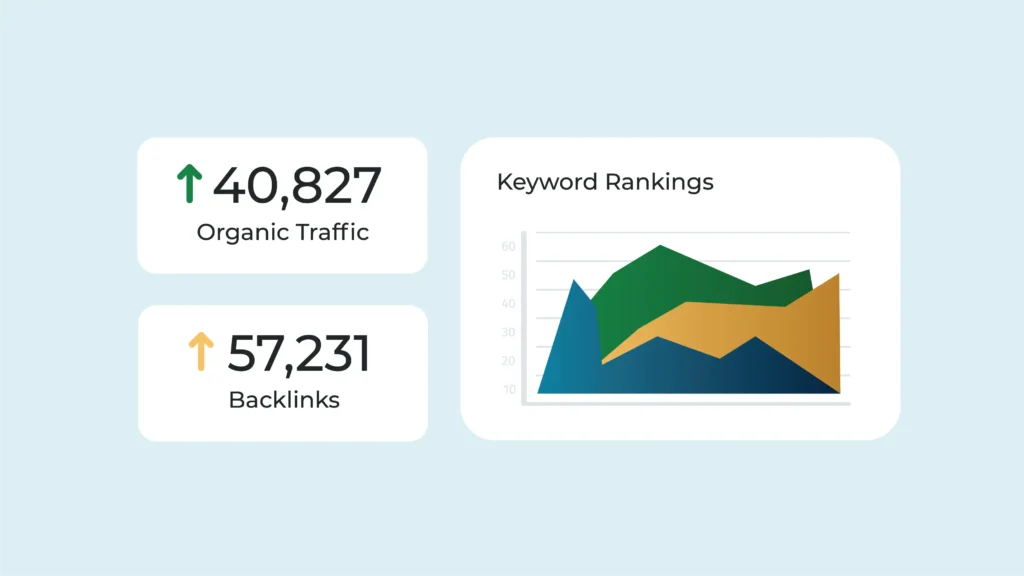
SEO metrics are essential indicators that measure how well your content is performing in search engines, including keyword rankings, organic traffic, and backlink quality.
- Organic Traffic: The number of people who visit your website from search engines without paying for advertising.
- Keyword Rankings: The ranking of your website for certain keywords in search engine results pages (SERPs).
- Backlinks: The number of other websites linking to your content indicates its authority and credibility in search engines.
Social Media Metrics
Social media metrics are quantitative data points used to measure the performance of your content on platforms like Instagram, Facebook, and Twitter; these metrics help you understand how effectively your content engages your audience and drives interactions.
- Follower Growth: The number of new followers gained on your social media channels.
- Brand Mentions: Instances where your brand is mentioned on social media, indicating brand awareness.
- Reach and Impressions: The number of people who saw your content on social media platforms.
Content Production Metrics
Content production metrics measure the efficiency and effectiveness of the content creation process, including the volume of content produced, time spent on each piece, and adherence to deadlines.
- Content Creation Time: Measures the time and resources required to produce different content formats.
- Content Cost: Tracks the financial investment associated with content creation (e.g., freelance writer fees, software subscriptions).
- Content Publish Rate: Monitors the frequency of content production and adherence to your content calendar.
Revenue Metrics
Revenue metrics are indicators that measure the financial impact and ROI of your content, such as sales revenue, customer lifetime value (CLV), and average order value (AOV).
- Customer Lifetime Value (CLTV): The total revenue a customer is expected to generate throughout their relationship with your brand.
- Average Order Value (AOV): The average amount spent per transaction on your website.
- Return on Investment (ROI): The net profit generated from your content marketing efforts.

Content Strategy Tips To Improve Content Performance
Now that you’re equipped with a content performance analysis toolkit, let’s explore strategies to transform your content into a high-performing machine.
Implement Branded Links for Consistency and Trust
First impressions matter, and that applies to your links as well. Using generic link shorteners can make your content look unprofessional and impersonal. Instead, consider using branded links created with a tool like TinyURL.
Every time your audience sees your branded link, it reinforces your brand identity and builds trust. What’s more, branded links project a more polished and professional image, especially when shared on social media or in marketing materials.
When you create short, branded links using TinyURL, you can access detailed analytics on link clicks, allowing you to see where your content is being shared and how audiences are engaging with it.
Craft Clear and Compelling Calls to Action
Don’t leave your audience guessing what you want them to do after consuming your content. A clear and compelling call to action (CTA) is essential for driving engagement and achieving your content goals.
Here are some tips for crafting effective CTAs:
- Be Specific: Don’t just say “Click Here.” Tell your audience exactly what you want them to do, whether it’s subscribing to your newsletter, downloading an ebook, or making a purchase.
- Use Strong Action Verbs: Words like “Download,” “Learn More,” or “Sign Up Now” create a sense of urgency and encourage clicks.
- Make It Visually Appealing: Highlight your CTA with a contrasting button or clear formatting to grab attention.
Here are a few examples of compelling CTAs:
- Get Your Free Guide Now!
- Unlock Exclusive Access in Just a Click!
- Claim Your Discount Right Away!
- Join Our Community & Unlock Exclusive Deals!
- Start Your Free Trial.
Include Engaging Visuals Like Images and Videos
Visuals are powerful tools for capturing attention and breaking up text-heavy content. Images, infographics, and videos can improve comprehension, make your content more visually appealing, and increase user engagement.

Using high-quality visuals in your marketing materials and content online can significantly enhance social media sharing and overall content reach.
Promote Content Through Various Channels
Don’t rely solely on organic search traffic. Actively promote your existing content across various channels, such as social media, email marketing, and online communities.
Leverage the power of social media scheduling tools to ensure consistent posting and maximize audience reach. Collaborate with influencers in your niche to get your content in front of a wider audience.
Keep Content Updated and Relevant
The digital world moves fast. Regularly update your content to ensure accuracy and maintain relevance for your audience.
Address current trends, incorporate new information, and refresh outdated statistics. Regularly review your content performance data to identify content that might need a refresh or could benefit from additional promotion.
Encourage Audience Engagement
Great content isn’t just about delivering information; it’s about fostering a two-way conversation with your audience.
Respond to comments, participate in discussions, and host Q&A sessions to encourage audience engagement. At the end of your content, pose thought-provoking questions to spark conversation and keep your audience coming back for more.
Tools for Monitoring Content Performance
Now that you have a robust content strategy in place, it’s crucial to track its effectiveness. Here are four powerful tools to help you monitor your content performance:
TinyURL
TinyURL goes beyond simple link shortening. It offers branded link creation with detailed analytics. You can track clicks, see where your content is being shared, and gain valuable insights into audience engagement. This data can help you identify high-performing content, understand which platforms resonate best with your audience, and refine your content strategy accordingly.
Google Analytics
A powerhouse for website traffic analysis, Google Analytics provides comprehensive data on user behavior, content performance, and marketing campaign effectiveness. You can track metrics like pageviews, session duration, bounce rate, and user acquisition sources to understand how your content is attracting and engaging visitors.
BuzzSumo
A powerful tool for content research and performance tracking, BuzzSumo allows you to analyze the most shared content across social media platforms. It provides insights into social shares, engagement, and trending topics, helping you refine your content strategy based on real-time data.
Hotjar
This tool provides in-depth analysis through heatmaps, session recordings, and feedback polls. Hotjar helps you understand user interaction with your content, identifying areas for improvement by showing where users click, scroll, and spend time on your pages.
Optimize Your Content Marketing Strategy With TinyURL
Content performance evaluation is an essential practice for any content marketer. By understanding how your content performs, you can identify strengths, weaknesses, and areas for improvement.
The strategies and tools outlined in this post will equip you to create high-performing content that resonates with your audience and drives real business results.
But TinyURL offers even more to optimize your content marketing strategy:
- Track Link Performance: Track clicks on your branded TinyURLs to gain detailed insights into how your content is performing across different platforms. Monitor total human clicks, unique clicks, and unique visitors to understand the reach and engagement of your content.
- Geographical Data: See where clicks originate, allowing you to tailor your content to different regions and better understand your global audience.
- Device and Browser Insights: Understand the types of devices (mobile, desktop, tablet) and browsers your audience uses, ensuring your content is optimized for the best user experience across all platforms.
- Popular Times and Days: Discover the most popular times and days your links are clicked, enabling you to schedule your content for maximum visibility and engagement.
- Top Referrers: Identify the top sources driving traffic to your links, whether it’s social media platforms, email campaigns, or other websites. This information helps you focus your marketing efforts on the most effective channels.
- Customizable Shortened URLs: Enhance your brand recognition by creating custom shortened URLs that include your brand name, making your links more recognizable and trustworthy. This not only boosts brand visibility but also increases audience trust in your links.
By leveraging these features and the data they provide, you can make data-driven decisions to refine your content marketing strategy and achieve optimal results.
Ready to elevate your content’s performance? Sign up for a TinyURL plan and see how the platform’s detailed analytics help ensure that every piece of your content hits the mark.