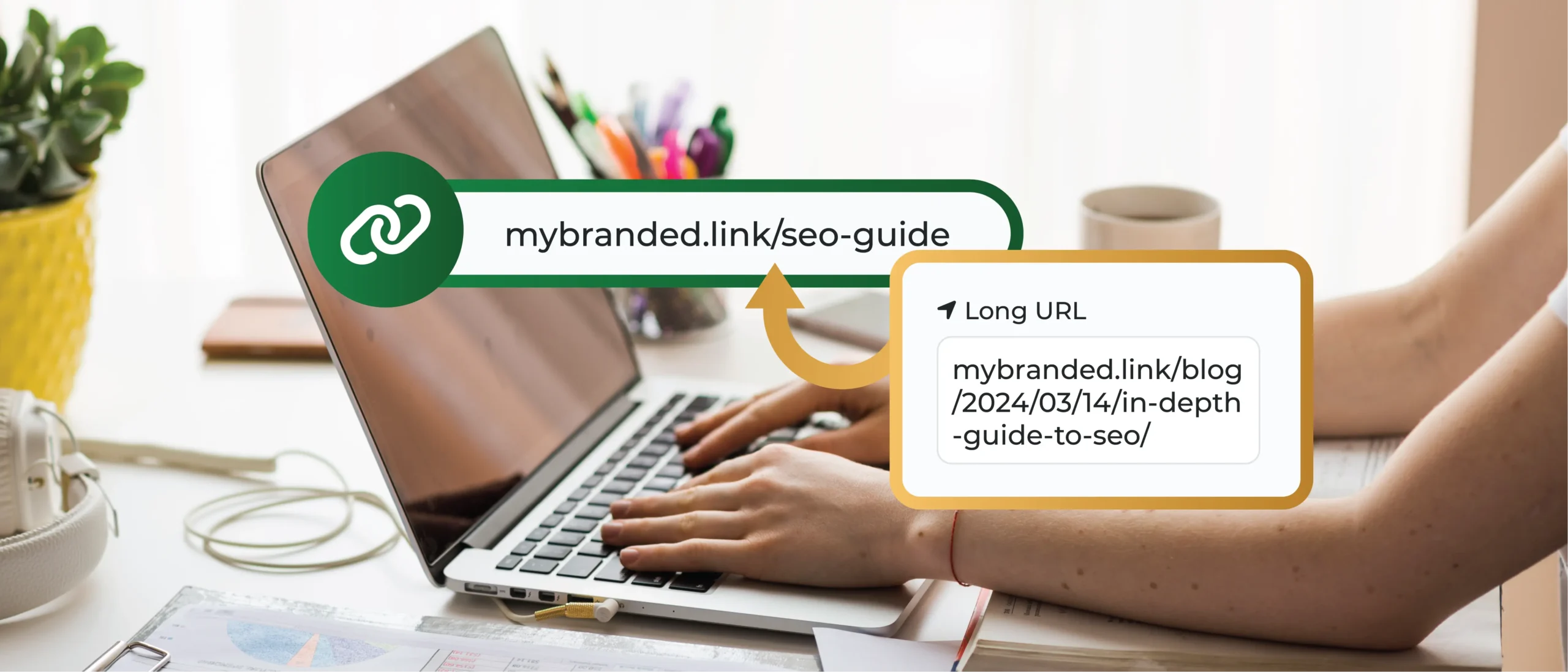
In today’s digital landscape, a strong online presence is no longer a luxury – it’s a necessity. But simply having a company website isn’t enough. To truly thrive online, businesses need to harness the power of internal and external links. This is where link management comes in.
This blog post explores link management, discussing its importance and how you can use online tools to keep your links organized, optimized, and drive results.
Whether you’re a seasoned digital marketer, an SEO specialist, or a business owner navigating the vast online world, understanding link management will empower you to harness its potential for success.
Main Takeaways From This Article:
- Link management involves creating, tracking, and analyzing links to optimize digital marketing and SEO strategies. It enhances online visibility and user navigation, contributing significantly to a website’s SEO health and brand building.
- Link management is crucial across various digital activities, including tracking digital marketing campaigns via UTM parameters, ensuring content interconnectedness for SEO benefits, and managing social media links for better engagement tracking.
- The key components of a successful link management strategy include organizing links effectively, optimizing them for search engines, and continuously monitoring them for issues like broken links or link rot, ensuring all links are current and effective.
- The top five link management tools are Bitly, Rebrandly, Semrush, ClickMeter, and TinyURL. These tools are popular for URL shortening and tracking, creating branded links, backlink analysis, customization, and detailed analytics, which help businesses manage their online presence more efficiently.
- Businesses should integrate a link management platform into their digital strategies to streamline processes, improve branding, and gain insights from analytics. The steps to integrate a link management tool include determining your needs, setting up an account, creating and customizing links, and continuously tracking and refining your performance.
What Is Link Management?
Link management is the practice of creating, tracking, and analyzing the performance of links across various online platforms. It’s an essential aspect of digital marketing and SEO strategy, optimizing users’ online navigation while enhancing visibility and engagement.
Importance of Effective Link Management
Link management is essential for enhancing your online visibility. It significantly influences your website’s position in search engine results pages and overall SEO health. By taking care of your links, you improve the user experience and make your site easier to navigate.
But link management isn’t just about SEO. It’s also about building your brand. With branded and personalized links, you leave your mark on every piece of content you publish. This not only makes your links easier to remember but also fosters trust and a professional image.
In the competitive online world, even the smallest details count. That’s where link management comes into play to set your brand apart and boost its reputation and visibility.
Use Cases for Link Management
Link management plays a vital role across various aspects of your digital strategy:
- Digital Marketing Campaigns: When running marketing campaigns, you track clicks and conversions from various sources. Link management tools allow you to tag links with UTM parameters, providing granular data on campaign performance. This helps you understand which channels are most effective and optimize your campaigns for maximum ROI.
- Content Management: A well-structured website with interconnected content is crucial for SEO. Link management helps you ensure all your blog posts, landing pages, and other website elements are linked strategically. This creates a user-friendly experience and allows search engines to crawl and understand your website’s content better.
- Social Media Platforms: Social media is a powerful tool for brand awareness and driving traffic. Link management tools help you manage and monitor the links you share across platforms like Twitter, Facebook, and Instagram. You can track click-through rates on social media posts containing your links and identify which content resonates most with your audience.
Key Components of a Successful Link Management Strategy
Now that you understand the importance and diverse applications of link management, let’s understand the three pillars of a robust link management strategy.
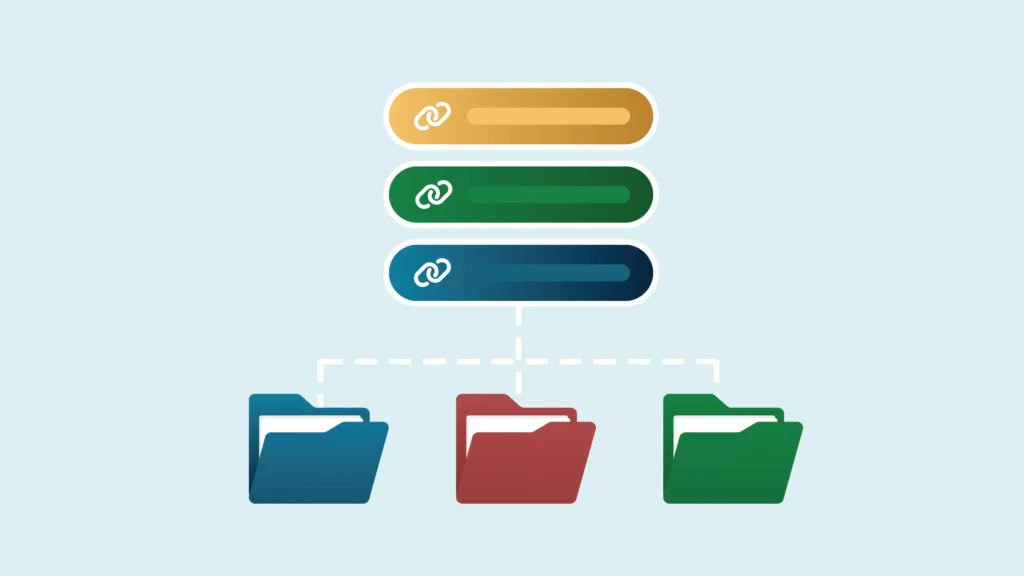
- Organizing Links: Organization is the foundation of link management. Develop a system for categorizing your links based on their purpose (e.g., social media, SMS marketing campaigns, internal resources). Tools like spreadsheets or dedicated link management platforms can help you keep track of a growing collection of links.
- Optimizing Links: Not all links are created equal. Effective link management involves ensuring your links are optimized for search engines. This includes incorporating relevant keywords in the anchor text (the visible text visitors click on) and using descriptive link titles that provide users with a clear understanding of where the link leads.
- Monitoring Links: The digital world is constantly evolving, and links are prone to “link rot,” where they become inactive due to website changes. Implement regular link audits to identify and fix broken links. Additionally, track link performance to understand user behavior and identify opportunities for improvement.

Five Best Link Management Tools
To effectively manage your links, having a reliable link management tool is crucial. However, with so many tools available on the market today, choosing the right one can be a bit tricky. So, let’s look at some popular ones and understand how they can help boost your link management strategy:
1. TinyURL: A Powerful Link Management Solution
TinyURL goes beyond basic URL shortening. Here’s what makes it a premier link management tool:
- Customization and Branding: Link management is not just about shortening long links—it’s also about aesthetics and branding. TinyURL’s customization and branding feature lets you control your URLs’ appearance. By adding a unique spin to your links, you can improve memory retention and strengthen brand awareness.
- Dynamic QR Codes: Generate QR codes that automatically update with any link changes, eliminating the frustration of dead codes due to broken links. With dynamic QR codes, you can maintain seamless user experiences while gaining insights into scan metrics. Ideal for businesses that frequently update their content, these codes accentuate your link management efforts.
- Analytics Powerhouse: TinyURL’s campaign monitoring and analytics feature truly shines for marketers and businesses seeking efficient campaign tracking. The robust analytics provide real-time tracking of your campaigns, ensuring you’re always updated about link clicks, geographic location, and engagement time. This valuable insight facilitates informed decision-making and optimization of future marketing efforts.
2. Bitly
Bitly is a go-to for URL shortening, basic branding options, and click tracking. Users benefit from in-depth analytics that inform their decision-making regarding online engagement strategies.
This tool even facilitates integration with popular platforms like TweetDeck or Salesforce, enhancing overall productivity. Ultimately, Bitly delivers versatility, power, and ease of use, making it an effective solution for your link management needs.
3. Rebrandly
Rebrandly is known for its highly customizable tool, which allows businesses to create and manage branded links for their websites, enhancing credibility and boosting brand performance. The tool provides real-time click tracking, aiding in audience engagement analysis.
Rebrandly is well-loved for its feature-rich interface and integration capabilities, making it an excellent choice for businesses seeking to improve their online presence.
4. Linkly
Linkly is more than just a URL shortener; it’s a comprehensive link management tool that allows users to create custom, branded short links complete with smart redirects, retargeting pixels, and even QR codes.
Perfect for marketers, Linkly supports click tracking across various metrics and offers detailed visual reports to enhance your digital campaigns involving external and internal links. The best part? It’s free to start; no credit card is needed. Utilize Linkly to spice up your link management with a dash of fun and a lot of functionality!
5. ClickMeter
ClickMeter focuses on advanced campaign tracking and attribution, which is perfect for complex marketing initiatives (paid tool). With ClickMeter, you can monitor, compare, and understand all your marketing campaign data in one place.
The platform provides key insights such as clicks, conversions, and ROI, making it easier to make informed decisions. Its scraping prevention feature ensures your data security, while the user-friendly dashboard facilitates easy data analysis. Fully customizable, it offers the flexibility to adapt to different business needs.
While these tools offer robust features, TinyURL excels for users seeking a simple and efficient solution.
How To Implement a Link Management Tool
Integrating a link management tool like TinyURL into your digital strategy empowers you to streamline workflows, elevate brand presence, and gain valuable insights. Here’s a quick guide to get started:
Step 1: Determine Your Needs
Your first course of action is identifying where the link management tool fits into your digital marketing strategy. Are you intending to streamline your social media posts? Or perhaps you are looking to optimize your email marketing? Acknowledging where you want the tool to help will let you focus on the tool’s most relevant features.
Step 2: Setting Up Your Account
Next, set up an account.
Now, you’ll want to familiarize yourself with the platform’s dashboard. Most platforms, including TinyURL, have intuitive user interfaces, making it easy to navigate through various features. However, don’t shy away from leveraging their help resources or customer support if you hit a stumbling block.
Step 3: Customizing Your Links
Many link management tools allow you to personalize your URLs to align with your branding strategy. For example, with TinyURL’s feature, ‘Custom Alias,’ you can make your links recognizable and relevant, significantly increasing click-through rates.
Step 4: Tracking and Analyzing
One key benefit of using a link management tool is the ability to track the performance of your links. This includes metrics like click counts, geographic data, and referral sources. Use this information to continuously improve your campaigns and drive more traffic to your website.

Step 5: Iteration and Improvement
The work does not stop after your links go live. You must also monitor your link metrics regularly, making tweaks and modifications as required. Remember, the idea here is to drive continuous improvement and maximize engagement.
Maximize Impact With Branded Links Using TinyURL
If you’re looking to elevate your online presence and drive impactful results, TinyURL keeps you one step ahead of others by going beyond basic link shortening and empowering users with the power of branded links.
With TinyURL, every link you share strengthens your brand identity, and every click reveals valuable insights for your audience.
Here’s how TinyURL helps you maximize impact:
- Increased Brand Recognition: Craft branded short URLs that incorporate your domain name (e.g., [invalid URL removed]). This fosters trust and recognition with every link you share, leaving a lasting impression on your audience.
- Data-Driven Decisions: Gain valuable insights into click-through rates, visitor demographics, and geographic data with TinyURL’s detailed analytics. This knowledge empowers you to refine your strategy, optimize content, and maximize engagement.
- Effortless Offline Integration: Generate dynamic QR codes that seamlessly integrate with print materials and offline marketing campaigns. No more dead ends – these codes automatically update with any link changes, ensuring a smooth user experience.
Ready to take your digital strategy to the next level with TinyURL’s link management solutions? Sign up for a TinyURL plan and unlock the full potential of your links.
FAQs
What Is the Primary Purpose of Link Management in Digital Marketing?
Link management is crucial for organizing, tracking, and analyzing links to enhance online visibility, improve user navigation, and optimize SEO strategies. By managing links effectively, businesses can monitor the performance of their marketing campaigns, identify broken links, and ensure their website structure supports SEO goals. This leads to better user engagement and improved search engine rankings.
How Can Link Management Tools Help Improve SEO?
Link management tools aid SEO by providing detailed analytics on link performance. They allow users to monitor link health and optimize anchor texts for better search engine visibility. These tools help maintain a well-organized website structure with strategic internal linking, which enhances crawlability and ensures users can easily navigate the site. This ultimately boosts search engine rankings and user experience.
What Are Some Common Features of Effective Link Management Tools?
Effective link management tools typically offer URL shortening, branded link creation, detailed analytics, UTM parameter integration, and social media tracking. They often provide monitoring capabilities to detect broken links and link rot and ensure all links are current. Advanced features like dynamic QR codes, customization options, and integration with other marketing platforms enable businesses to enhance their digital marketing strategies and improve overall performance.