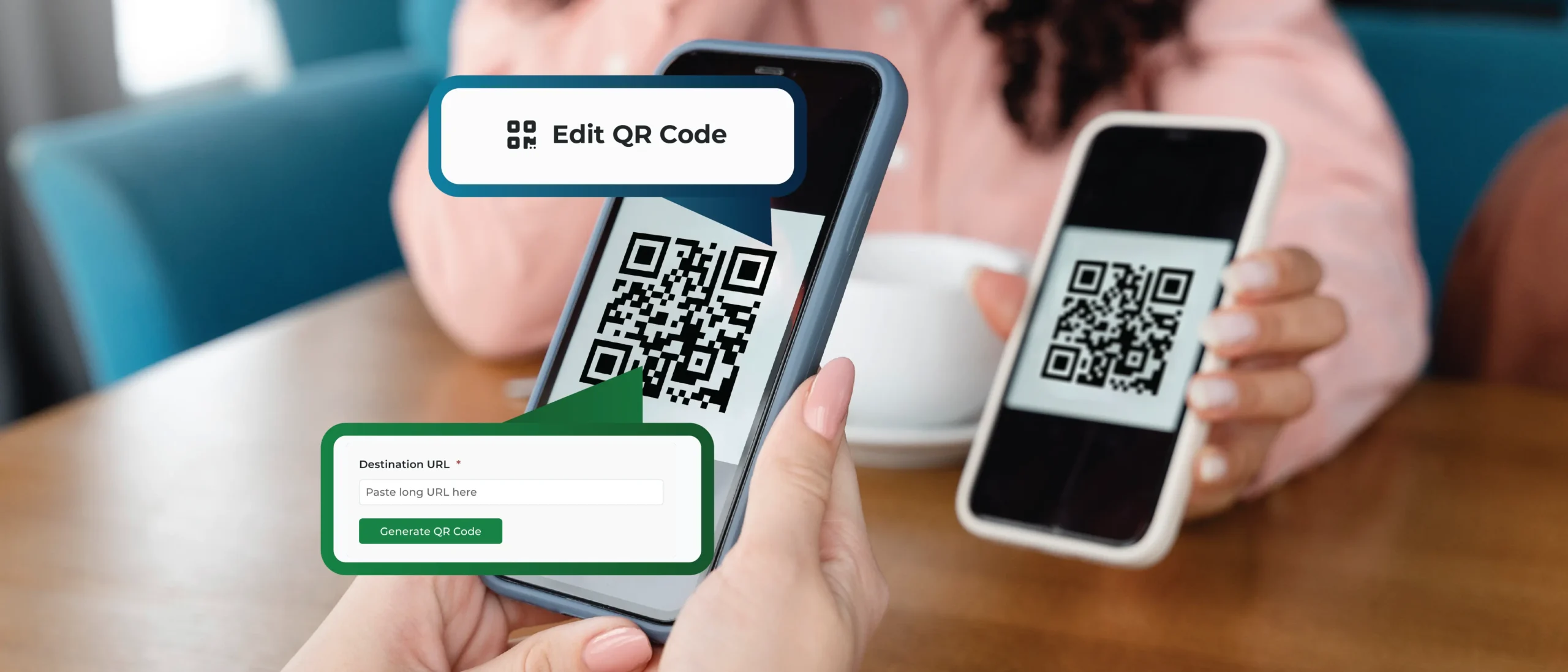
QR codes have become a staple in both personal and business communications, offering a quick and efficient way to link the physical and digital worlds. However, not all QR codes are created equal.
Among the most versatile and powerful are dynamic QR codes. These codes allow for real-time updates and comprehensive tracking capabilities, making them a go-to tool for marketers and businesses looking to connect with their audience in innovative ways.
In this blog post, we’ll explore what sets dynamic QR codes apart and provide a step-by-step guide on how to create one to enhance your digital strategies. Whether you’re looking to streamline event check-ins, boost your marketing campaigns, or provide instant access to your content, understanding how to leverage dynamic QR codes can significantly amplify your engagement efforts.
Main Takeaways From This Article:
- Dynamic QR codes offer businesses a versatile method for delivering engaging content, such as text, images, and videos, in real-time and with the ability to make updates.
- Through the use of dynamic QR codes, businesses can take advantage of benefits such as increased flexibility, seamless updates, and improved QR code tracking capabilities over more traditional static QR codes.
- Despite their many benefits, using dynamic QR codes requires technical know-how and can have some security risks due to their vulnerability to hacking. However, implementing security measures can mitigate these risks.
- Tools like TinyURL can simplify the process of creating and managing dynamic QR codes, making them more accessible to various businesses.
- Although dynamic QR codes require an internet connection to deliver their content, their real-time updating ability and interactive nature make them a powerful tool for engaging customers.
What Is a Dynamic QR Code?
A Dynamic QR Code represents a more advanced and flexible version of the traditional QR (Quick Response) Code. Unlike static QR codes, which directly encode information like a website URL or text that doesn’t change once created, dynamic QR codes point to a URL that can be updated or changed even after the code has been printed or distributed.
Dynamic QR Codes vs. Static QR Codes
Let’s examine the differences between Dynamic and Static QR codes to help you better understand which one best suits your requirements.
This comparison will illuminate their distinct characteristics, advantages, and ideal use cases, giving you a clear perspective.
Static QR Codes
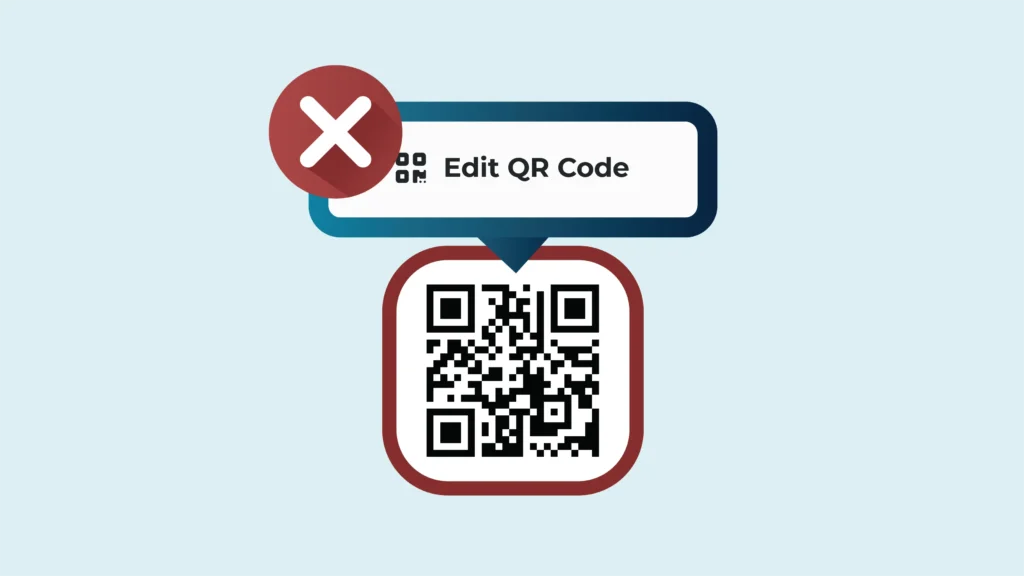
- Fixed URL: One of the primary features of static QR codes is the fixed URL they carry—once you encode data or a URL into them, you can’t update or modify it. This makes them an excellent choice for permanent information, such as on business cards or product labels.
- One-Off Campaigns: If you’re planning a straightforward, one-off advertising campaign where you simply need to share a certain webpage, a static QR code serves the purpose.
- Free Availability: Want a cost-effective way to share information? Static QR codes are generally free to generate, providing a budget-friendly solution for your needs.
- Dense Data Patterns: A technical point to note is that static QR codes carry a more dense data pattern due to the directly stored target data.
Dynamic QR Codes
- Changeable URL: Unlike static codes, dynamic QR codes allow you to change the encoded URL without changing the QR code itself. It provides an optimal solution for content that constantly needs updating.
- Tracking and Analyzing: One of the prime advantages of dynamic QR codes is the ability to track scanning data- when and where the code has been scanned, on what device, and more. This is a game-changer for marketers, enabling them to retarget ads and customize campaigns.
- Even Faster Scanning: Although all QR codes are designed for quick scanning, dynamic QR codes are even faster. They typically store a shorter URL that redirects users to your content, making the scanning process smoother.
- Premium Capabilities: Dynamic QR codes allow access to premium features and analytics. These come at a cost, but the insights gained from tracking user engagement are worth every penny for businesses.
- Limited Data Patterns: Dynamic QR codes have less dense data patterns due to redirecting capability through short URLs, making them more user-friendly for quick scanning.
What Are Dynamic QR Codes Used For?
Dynamic QR codes have various applications in multiple sectors, making them an invaluable tool for connecting offline and online user experiences. Let’s take a look at some of their most common uses:
1. Marketing Campaigns
Dynamic QR codes are a digital marketer’s dream. Since the content behind the QR code can be changed at any time, it provides the flexibility needed to keep marketing campaigns fresh, updated, and engaging. Whether it’s contests, special promotions, or new product launches – a dynamic QR code can handle them all easily!
2. Product Information
Packing a wealth of information into a tiny square, dynamic QR codes can revolutionize how businesses present product details. By scanning the code, customers can be directed to a webpage with comprehensive information about the product, user manuals, how-to videos, and more. It can be updated whenever there’s a change in the product or to introduce new features.
3. Event Ticketing
Create dynamic QR codes for event ticketing to ensure smooth entry management and real-time updates. This can be particularly useful for events that might experience changes in venue, date, or other important details. Attendees just need to scan their tickets – the code – to get all the updated information.
4. Digital Payment Systems
Dynamic QR codes can power seamless and secure transactions in digital payment systems. Due to their ability to be updated, they can provide real-time information about the transaction details, enhancing the safety of the payment process.
5. Inventory Management
The dynamic nature of these codes can streamline stock tracking and inventory management. Updated information regarding stock levels, product movements, expiry dates, etc., can be easily encoded into a dynamic QR code, offering businesses an efficient way to track and manage their inventory.
Advantages of Dynamic QR Codes
When it comes to leveraging the power of QR codes in your marketing strategy, dynamic QR codes take the lead, offering a plethora of benefits. Here are some key advantages:
1. Editability and Flexibility
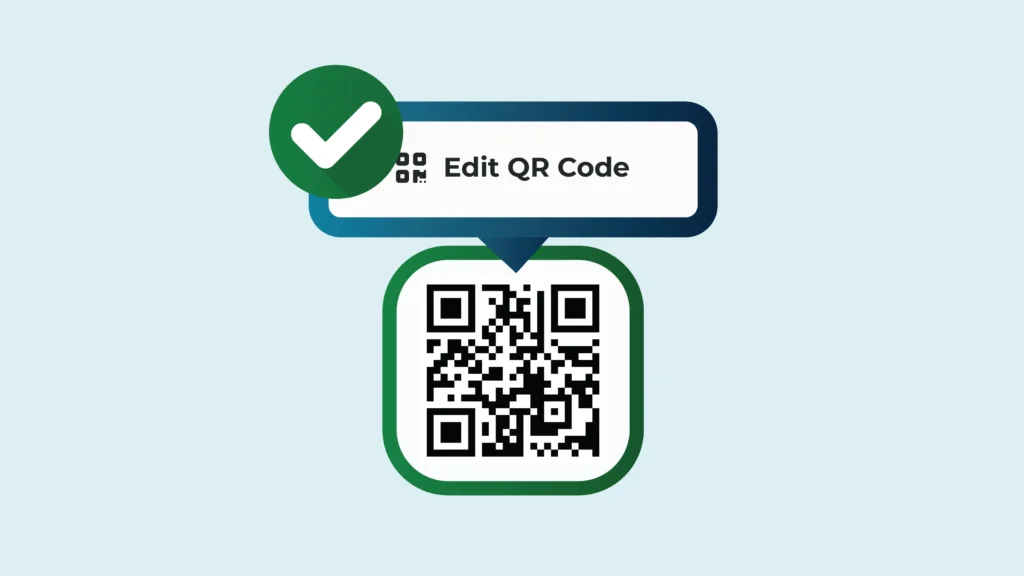
One of the top advantages is the editability feature. Dynamic QR codes allow you the liberty to edit the URL linked to your QR code anytime without needing to reprint the code. This flexibility not only saves the cost of reprinting but also the efforts in redistribution. You can quickly adapt to changing customer preferences.
2. Customization
Dynamic QR codes go beyond the basic black and white. You can customize these codes to match your brand’s aesthetics or the campaign’s theme. Add color, a logo, a background image, or even text to make the QR code more enticing. It’s a brilliant way of covert branding and enhancing the user experience, as well.
3. Seamless Tracking and Analytics
With dynamic QR codes, you get not just a tool but a whole tracking system. They enable you to track details like the number of scans, geo-location of scans, and even the operating system used by scanners. This data is invaluable in measuring the success of your campaigns and offering insights into your audience’s behavior.
4. Reduced Scanning Time
Dynamic QR codes have shorter URLs converted into QR patterns, resulting in faster scanning compared to their static counterparts. This speed can significantly enhance the user experience, especially when multiple quick scans are required.
5. Cost and Time Efficient
From avoiding reprinting costs to optimizing marketing campaigns based on analytic insights, dynamic QR codes are both time and cost-efficient. They are an effective tool in the realm of marketing, blending modern tech with convenience.
What Is a Dynamic QR Code Generator?
A dynamic QR code generator is a digital tool that creates editable, customizable QR codes. Instead of encoding a fixed destination, a custom QR code generator allows users to change the encoded data at any time without needing to create a new code. This powerful feature empowers businesses to maintain up-to-date content while providing seamless user experiences.
How Does a Dynamic QR Code Generator Work?
A dynamic QR code generator, in essence, is the behind-the-scenes hero that gives life to the changeable, adaptable, and more flexible sibling of static QR codes, namely dynamic QR codes. So, how does this magic happen?
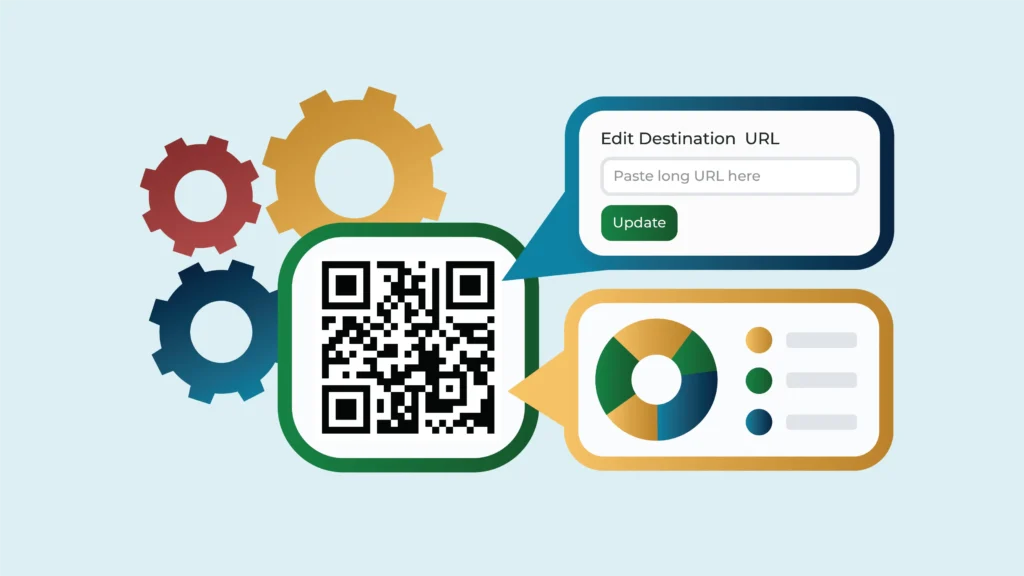
- URL Redirection: Instead of storing the target data directly like a static QR code, a dynamic QR code stores a short URL, which then redirects users to the target data. This redirection URL allows for edits and modifications after the QR code has been created without needing to reissue a new code.
- Data Entry: To initiate the process, the user enters the desired destination URL into the generator. An added advantage of dynamic QR codes is that you aren’t limited to a single URL. Depending on the application, it can link to multiple URLs or trigger different actions.
- Code Creation: The generator then creates a unique redirecting URL and embeds it in the QR code. This newly created dynamic QR code is ready to be downloaded and used.
- Real-Time Edits: If the user wants to change the destination URL down the line, they can modify it in the code generator without changing the QR code itself. This real-time adjustment is great for changing marketing campaigns, fixing broken links, or updating information.
- Data Tracking: On top of it all, a dynamic QR code generator not only helps generate the codes but also offers tracking capabilities. Performance metrics such as the number of scans, location data, and time of scans can be tracked, giving valuable insights into user engagement and behavior.
Now, you’re probably wondering where you can get a free QR code generator that does all this. TinyURL is one such dynamic QR code solution that offers customizable, trackable, and flexible QR codes suited for various applications.
How To Create and Manage Dynamic QR Codes with TinyURL
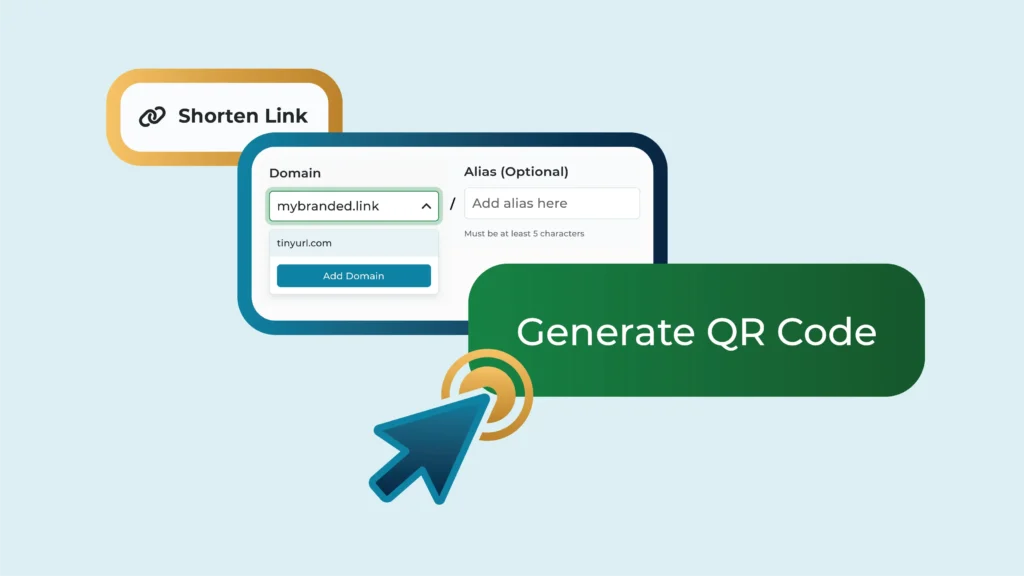
Ready to generate dynamic QR codes for your business? Let’s dive into creating and managing these adaptable tools with TinyURL.
- Shorten Your URL: Begin by shortening your long link using TinyURL’s URL shortener. This process converts your lengthy URLs into more manageable, shareable links.
- Customize Your TinyURL: You can customize your shortened link to reflect your brand or the content it links to, making it more recognizable and trustworthy to users.
- Generate a QR Code: Once you have a shortened URL, TinyURL lets you generate and download a dynamic URL QR code that directs to the shortened URL. This QR code can be used in print and digital media, allowing users to scan and be directed to your website or page.
Managing Dynamic QR Codes:
- Dashboard Management: From the dashboard, you can manage your shortened links and, by extension, your dynamic QR codes created using TinyURL. This centralized management allows for easy access and modifications as needed.
- Tracking and Analytics: Track who clicks on your shortened URLs (and scans your QR codes), including their locations and the devices they use. This feature is particularly useful for assessing the effectiveness of your QR codes in various campaigns.
- Use in Campaigns: Incorporate your dynamic QR codes into social media, email campaigns, or anywhere they are needed. Their versatility and ease of use make them an excellent tool for diverse marketing strategies.
- Reliability and Safety: TinyURL links and, consequently, the QR codes created from these links are reliable and safe. They never expire unless you want them to, ensuring a consistent user experience.
Unlock the Power of Dynamic QR Codes With TinyURL
Dynamic QR codes are powerful tools for connecting with your audience. They offer versatility and real-time updates that can significantly boost your engagement strategies. These codes streamline everything from marketing to event management and customer transactions, making them invaluable in our increasingly digital world.

To maximize the potential of dynamic QR codes, pairing them with a reliable URL shortener like TinyURL can enhance their efficiency. Tracking scans, customizing the colors, design, and frame, and adding your logo can make your QR code campaigns more effective. Shortened URLs are easier to scan and offer a cleaner, more professional look that can improve user trust and click-through rates.
Sign up now and start integrating dynamic QR codes into your business strategies today.
Dynamic QR Code: FAQs
Why Use a Dynamic QR Code Instead of a Static QR Code?
Dynamic QR Codes offer unparalleled flexibility. They allow you to update the destination URL without needing to recreate and redistribute a new QR Code. This makes them ideal for long-term marketing campaigns and informational updates. They also reduce print costs, ensuring your QR Codes remain relevant and effective over time.
How Do You Tell If a QR Code Is Static or Dynamic?
Determining if a QR code is static or dynamic isn’t straightforward by appearance alone. The key difference is that dynamic QR codes can change their destination URL without altering the code itself. To check, scan the QR code; if its action or destination changes over time without changing the code, it’s dynamic. Static codes always lead to the same content.
Do Dynamic QR Codes Cost Money?
Yes, dynamic QR codes typically require a subscription to a QR code generation service, which incurs a cost. These services offer the ability to change the destination URL, track scans, and gather analytics, features not available with free, static QR codes. Costs vary based on the provider and the plan chosen.