
Creating exceptional content is essential, but ensuring it reaches the right audience is a significant challenge. Many businesses find their efforts fall flat without a strategic approach to content distribution, leading to missed opportunities and wasted resources.
This guide provides an in-depth look at the latest trends, tools, and techniques to amplify your content’s reach. We’ll explore various distribution channels, from social media and email marketing to influencer partnerships and SEO strategies. Additionally, we’ll demonstrate how to use data and analytics to refine your approach and measure success effectively.
Ready to enhance your content distribution in 2026? Let’s get started!
Main Takeaways From This Article:
- Effective content distribution enhances visibility, broadens audience reach, and boosts engagement and conversions.
- Focus on creating high-quality content tailored for different platforms and target audiences using owned, earned, and paid channels.
- Continuously monitor and measure content performance, adjusting strategies to align with evolving market trends and audience preferences.
- Develop a content calendar and remain flexible to adapt to new platforms and technologies to stay ahead in content distribution.
- Leverage tools like TinyURL to streamline sharing and track performance across various distribution channels.
What Is Content Distribution?
Content distribution is the process of sharing, publishing, and promoting your content to online audiences through various channels. It involves strategically using platforms like social media, email, blogs, and third-party sites to ensure your content reaches and engages your target audience.
The Underlying Intent
The goal of content distribution is to maximize visibility and impact, turning your hard work into measurable results. In essence, effective content distribution ensures that your message isn’t just published but also noticed by the right people at the right time.
Importance of Content Distribution
Let’s face it: content creation takes time and resources. You wouldn’t write a killer blog post and then just shove it in a drawer, right? The same goes for any type of content. Content distribution is what helps you spread the word and ensure your content reaches the people who will find it most valuable.
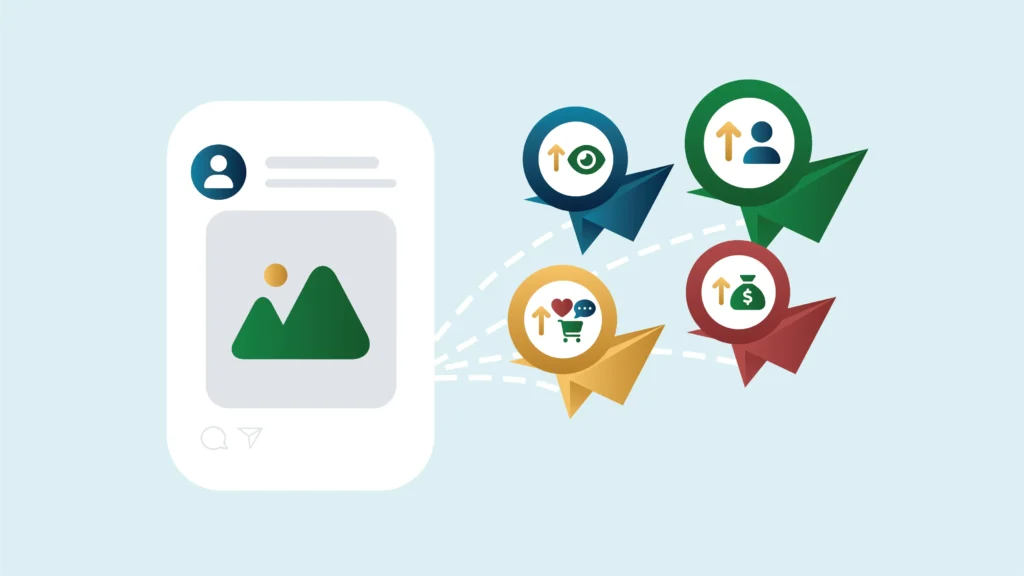
Here are just a few reasons why content distribution is crucial:
Enhance Content Visibility
No matter how amazing your content is, it won’t do you any favors if nobody sees it. Great content deserves to be seen, and distribution helps you break through the noise and get your content noticed. It’s like having a megaphone to amplify your message.
Reach a Broader Audience
You can tap into new demographics, interests, and online communities by strategically distributing your content across various channels. This broadens your reach and helps you connect with potential customers you might have otherwise missed.
Improve Engagement and Conversions
The more people see your content, the more likely they are to interact with it. Effective distribution fosters engagement – think comments, shares, and click-throughs – which ultimately translates into conversions, like leads or sales.
Maximize Content Marketing ROI
Content creation requires investment – time, resources, and perhaps even budget. By optimizing your distribution, you ensure your content isn’t a one-shot wonder. You squeeze every ounce of value out of your content, maximizing its return on investment.
Types of Content Distribution Channels
Now that we’ve established the importance of content distribution, let’s explore the different channels you can use to get your content out there. There are three main categories:
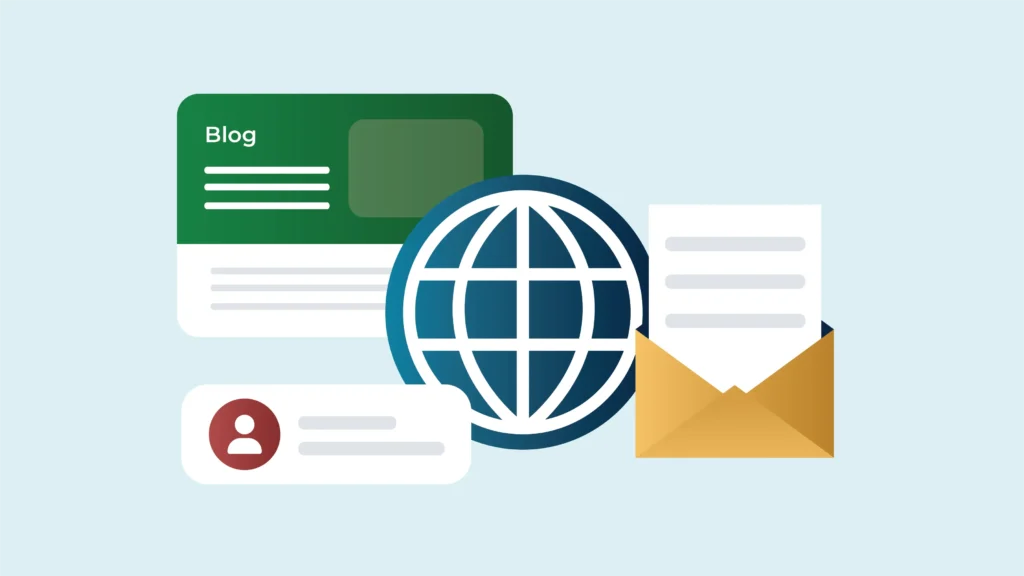
1. Owned Channels
These are the platforms you control, your digital real estate. Think of your company website, blog, and email newsletters. Owned media offer the most control over your message, but their reach might be limited to your existing audience.
- Company Website: Your website is your home base, your very own content hub, where you can house all your content and use it as a central source of information.
- Blog: A blog is a fantastic way to share your expertise, insights, and thought leadership in a more conversational format.
- Email Newsletters: Create a list of email addresses and send out newsletters on a regular basis to keep your audience interested in your newest content.
- Social Media Profiles: Leverage social media platforms like Facebook, Twitter, LinkedIn, and Instagram to promote your content and connect with your audience on a more personal level.
2. Earned Channels
This is where things get interesting. Earned channels involve getting your content noticed by others, who then share it with their networks. Earning the trust and endorsement of others adds credibility to your content and can significantly boost its reach.
- Social Media Shares: Encourage your audience to share your content on their own social media channels.
- Guest Posts: Write guest articles for relevant websites or blogs to reach a new audience and get a backlink to your website.
- Influencer Collaborations: Partner with influencers in your niche to promote your content to their audience. This is a powerful way to reach a highly engaged group of people who are already interested in your industry.
- Press Coverage: Secure media mentions for your brand or content in relevant publications. This can significantly boost your brand awareness and add a layer of legitimacy to your content.
3. Paid Channels
Sometimes, you need to put your money where your mouth is. Paid content distribution allows you to promote your content directly to a targeted audience, which is a great way to reach a specific demographic quickly and effectively.
- Social Media Ads: Target your ideal audience on platforms like Facebook, Twitter, LinkedIn, and Instagram. You can tailor your ad campaigns based on demographics, interests, and behaviors.
- Pay-per-Click (PPC) Campaigns: Run ads on search engines like Google or Bing, where your content appears at the top of search results for relevant keywords.
- Sponsored Content: Have your content featured as sponsored content on relevant websites or in publications. This can be a great way to broaden your reach to a highly engaged audience.
- Display Ads: Place banner ads or other visual ad formats on high-traffic websites or apps frequented by your target audience.
How To Develop an Effective Content Distribution Strategy
Now that you know the different distribution channels, let’s walk through a step-by-step process to create a winning content distribution strategy:
1. Define Your Objectives
What do you want to achieve with your content? Are you trying to make more people know about your brand, get more people interested in your products or services, sell more, or become known as an expert in your field? Knowing your goals will guide your content distribution efforts.
2. Identify Your Target Audience
Identifying your target audience is essential for selecting your content’s most effective distribution channels. When determining who you are trying to reach, consider your audience’s demographics, interests, and online behavior.
3. Decide on Content Types
Not all content is created equal, so make sure to use the format that best suits your audience and objectives. Blog posts are great for in-depth information, infographics for quick visual takeaways, and videos for engaging storytelling.
4. Create High-Quality Content
This goes without saying, but your content needs to be valuable, informative, and engaging to capture attention in a crowded online space. Focus on creating content that solves your audience’s problems or educates them on relevant topics.
5. Audit Your Existing Content
Don’t neglect your existing content library! Take stock of what you have and see if there are repurposing opportunities. You can turn blog posts into infographics, videos into social media snippets, or create an e-book by compiling a series of related articles.
6. Select Distribution Channels
Choose the most effective channels to reach your target audience based on your audience, content type, and objectives. Don’t spread yourself too thin – focus on a few key channels where you can create a consistent presence.
7. Create a Content Calendar
Plan your content distribution in advance. Create a schedule in the form of a content calendar that shows what content will be shared and when it will be shared on different platforms. This helps maintain consistency and ensures you’re promoting your content effectively.
8. Optimize Content for Each Channel
Remember, one size doesn’t fit all when it comes to content distribution. To truly maximize reach and engagement, you need to tailor your content for each platform you use. For example, keep social media captions concise and engaging, add visuals to break up text-heavy blog posts, and optimize videos for mobile viewing.
9. Distribute and Promote Your Content
Once your content is published, actively promote it across your chosen channels. Utilize social media, email marketing, and other relevant platforms to get the word out.
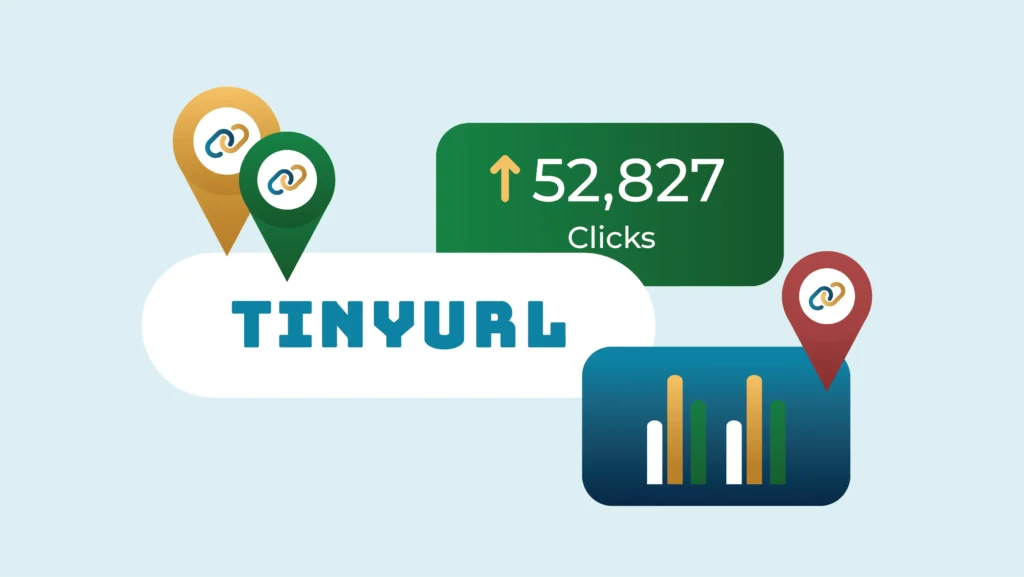
Pro Tip: Short, memorable links can significantly improve click-through rates when sharing your content across various platforms. Consider using a URL shortening service like TinyURL, which offers analytics features that can provide valuable insights into how people are interacting with your content through shortened links.
10. Engage With Your Audience
Don’t just publish and disappear! Respond to comments, answer questions, and participate in discussions around your content. Building relationships with your audience is key to long-term success.
11. Monitor and Measure Performance
You’ve published your content, optimized it for different channels, and actively promoted it. Now what? It’s time to monitor and measure the performance of your content distribution efforts. This data will help you understand what’s working, what’s not, and how you can continuously improve your strategy.
12. Adjust and Improve
Content distribution is an ongoing process. Use the insights gleaned from your data to make informed decisions about your content distribution strategy. Don’t rely on gut feelings – let the data guide your approach for maximum impact.
Tools for Effective Content Distribution
The right tools can make a world of difference in your content distribution efforts. Here’s a breakdown of some essential tools you should consider:
Analytics Tools
These tools help you track the performance of your content and distribution strategy.
TinyURL
As mentioned earlier, TinyURL is a fantastic URL-shortening service offering valuable content distribution features. It’s a powerful branding tool: you can create short, memorable links to share your content across various platforms, like social media and email newsletters. But TinyURL goes beyond simple shortening.
TinyURL’s link analytics provide valuable insights into how people are interacting with your content through shortened links. You can see things like the number of clicks, the geographic location of clicks, and even the referring sources. This data can help you refine your distribution strategy and understand which channels are driving the most traffic to your content.
Google Analytics
This industry-standard tool provides comprehensive website traffic data. You can track website traffic generated by your content distribution efforts, see which channels are driving the most visitors, and analyze their behavior on your site.
Social Media Management Tools
Managing multiple social media accounts can be time-consuming. These social media analytics tools help you schedule and publish content across different platforms, saving you valuable time and effort.
- Hootsuite: A popular platform for managing social media presence. Schedule posts, track conversations, and analyze performance across various social networks.
- Buffer: Another great option for social media scheduling and management. Buffer also offers analytics to help you understand how your social media content performs.
Email Marketing Platforms
Email marketing platforms allow you to create visually appealing email newsletters, segment your audience for targeted campaigns, and track email performance metrics.
- Mailchimp: A user-friendly platform for creating and managing email marketing campaigns. It offers a free plan for basic needs and paid plans with advanced features.
- Constant Contact: Another popular option for email marketing. Constant Contact offers drag-and-drop email creation tools, automation features, and detailed reporting.
Content Management Systems (CMS)
These platforms help you create, manage, and publish your content.
- WordPress: A popular open-source CMS that’s user-friendly and highly customizable. It offers a wide range of plugins to enhance your website functionality and content management.
- HubSpot: A comprehensive platform that combines content management, marketing automation, and CRM (Customer Relationship Management) tools. Ideal for businesses seeking an all-in-one solution for content marketing and sales.
Boost Your Content Distribution Strategy With TinyURL
Although you can whip up killer content and chart out a distribution strategy that gets your masterpiece seen by the world, not having short, branded links can render your efforts futile, resulting in your content gathering dust in the digital archives. That’s when TinyURL swoops in with its analytics feature to rescue it!
TinyURL goes way beyond shortening those pesky long URLs. Here’s how it can be your distribution game-changer:
- See Who’s Clicking: Uncover your audience’s demographics—location, device, and even referring sources. This intel helps you understand where your content resonates most and tailor your distribution strategy accordingly.
- Track Engagement: Did your content go viral on Twitter or get shared on a high-traffic website? TinyURL’s analytics show you exactly how your content performs across different platforms.
- Measure What Matters: Clicks are great, but conversions are king. TinyURL tracks how many clicks translate into leads or sales, giving you a clear picture of your content’s ROI.
- Simplify Social Sharing: Social media posts with long URLs look cluttered and unprofessional. TinyURL keeps things clean and clickable, making your content more likely to get shared and seen.
Stop guessing; start knowing! Give TinyURL a look and see how it can streamline your workflow and unlock valuable data-driven insights.
Sign up for a free plan with TinyURL to get started!