
Ever published a blog post that seemed to disappear into the digital abyss? Or maybe you launched a social media campaign that felt like it flew under everyone’s radar? In the fast-paced world of content marketing, creating great content is only half the battle. You also need to understand how your audience is engaging with it – and that’s where content analytics comes in.
In this post, we’ll explore content analytics, discussing what it is, why it matters, and how you can leverage it to create content that resonates with your audience and achieves your marketing goals.
We’ll also look at some best practices and introduce you to valuable content analytics tools, including TinyURL, to gather deeper insights.
Main Takeaways From This Article:
- Content analytics help measure and optimize digital content performance through detailed data metrics.
- Effective content strategies involve setting clear objectives, collecting and analyzing data, segmenting audiences, and continuously testing and iterating.
- SEO optimization, audience segmentation, and identifying high-performing content are essential for maximizing content impact.
- Utilizing diverse content analytics tools such as Google Analytics, HubSpot, Ahrefs, BuzzSumo, and Hotjar can enhance overall content strategy.
- Using tools like TinyURL can boost content analytics by offering detailed insights into link engagement and performance.
What Is Content Analytics?
Content analytics, also known as content intelligence, is the process of measuring how users interact with digital content. This means tracking various metrics to see how effective your content is. Whether it’s a blog post, podcast, social media update, or video, content analytics shows the impact each piece of content has on your audience.
Key Metrics You Can Track
Here are some of the key metrics content analytics helps you track:
- Traffic: How many people are visiting your content?
- Engagement: How long do people stay on your page? Do they leave comments or share your content?
- Reach: How many people actually see your content?
- Shares: How much of your content is being shared on social media?
- Conversions: Are people taking the desired action, like signing up for your newsletter or making a purchase?
Content Analytics vs. Website Analytics
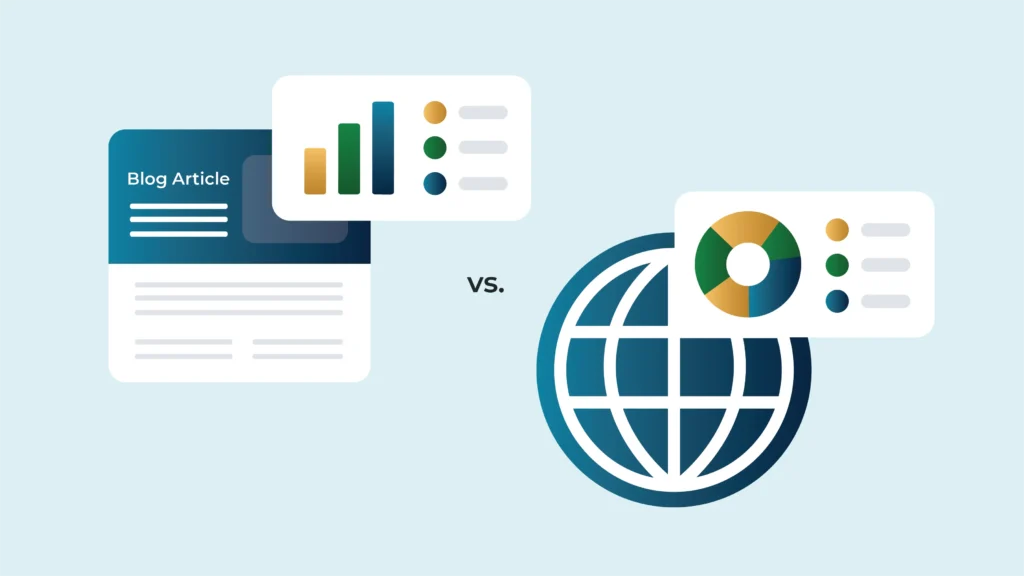
While both content analytics and website analytics track user interactions, they serve different purposes.
Website analytics focuses on overall site performance, like page views and bounce rates, which helps you understand how visitors navigate your site.
On the other hand, content analytics focuses on how specific content, like blog posts or videos, performs across different platforms. It measures metrics such as time spent on a page, social shares, and conversion rates for each blog post, video, or article.
Content analytics provides a more detailed view of user engagement, helping you make more informed decisions about the content you produce and promote.
The Importance of Content Analytics
In today’s content-saturated world, standing out requires a strategic approach. Content analytics provides valuable insights that empower you to:
- Identify What Works: This removes the guesswork from content creation—you’ll know which topics and formats your audience prefers.
- Understand Your Audience: Content analytics allows you to see what types of content resonate most with your audience. This helps you tailor your content strategy to their preferences and interests.
- Optimize Your Content: Data reveals what’s working and what’s not. You can optimize existing content for better SEO and user experience.
- Boost SEO: Content that resonates with your audience naturally attracts more backlinks and shares, which are important ranking factors for search engines.
- Increase ROI: Focusing on content that converts can maximize the return on your content creation investment.
- Measure Success: Are you achieving your content marketing goals? Content analytics provides the data you need to assess success and identify areas for improvement.
- Make Data-driven Decisions: Content analytics insights can help you make informed decisions about future content creation efforts.
How To Enhance Content Marketing Efforts With Content Analytics
Now that we know how content analytics can be beneficial for your content marketing efforts, let’s explore some best practices to get the most out of it:

1. Define Your Objectives
Creating content without clear objectives is like throwing spaghetti at the wall and hoping that something sticks! Content analytics thrives on a focused approach. Therefore, before you dive into data, take a step back and ask yourself: What are my overarching content marketing goals?
Here are some common objectives to consider:
- Brand Awareness: Do you want to increase brand recognition and establish yourself as a thought leader in your industry?
- Lead Generation: Are you aiming to capture leads and turn them into paying customers?
- Website Traffic Growth: Do you want to attract more visitors to your website and content?
- Engagement: Is sparking conversations and interactions with your audience a primary goal?
- Sales and Conversions: Are you looking to drive direct sales or conversions through your content?
While these are all valid goals, don’t try to tackle them all at once. Focus on two or three key objectives per content campaign for laser-sharp targeting. Once you have a clear understanding of your goals, it will be easier to select the right metrics to monitor and analyze.
2. Collect Content Analytics Data
Now that you know what you’re looking for, it’s time to gather your data. Luckily, a treasure trove of information is readily available across various platforms. Here are some key sources to explore:
- Website Analytics Platforms: Tools like Google Analytics and HubSpot are industry giants for a reason. They provide comprehensive insights into website traffic, user behavior, and conversions. You can track page views, bounce rates, and time spent on web pages to identify which content pieces are driving the most traffic.
- Social Media Analytics: Each social media platform, like Instagram or Facebook, offers its own built-in analytics suite. These tools unveil valuable information about your audience demographics, engagement rates (likes, comments, shares), and the reach of your posts. Analyzing this data lets you understand which content types and formats resonate best with your audience on each platform.
- Content Management Systems (CMS): Many CMS platforms, like WordPress or Drupal, offer internal analytics dashboards. These can track content performance metrics specific to your website, such as page views, comments, and social shares for individual pieces of content. This allows you to see how each blog post, infographic, or video performs in your ecosystem.
3. Segment Your Audience
Segmenting your audience can help you gain a much deeper understanding of how different groups interact with your content and tailor your content strategy to resonate with them.
For instance, you might create different blog posts catering to beginners versus experienced users in your field. This targeted approach allows you to deliver more relevant and valuable content, ultimately leading to better engagement and conversions.
Here are some common ways to segment your audience:
- Demographics: Age, gender, location, and income level.
- Interests: Topics they’ve shown interest in and their browsing behavior.
- Behavior: New vs. returning visitors, the content they’ve previously engaged with, and the devices they used.
4. Identify High-Performing Content
It’s time to zero in on the content that your audience likes the most. Look at your data and see which content is consistently doing well in the areas that are important to you.
- Are there certain blog posts that always get a lot of visitors and keep them interested for a long time? This means that the content is valuable and interesting to your audience.
- Do certain pieces of content lead to more people signing up for emails, downloading things, or buying things? This shows that the content is effective in getting your audience to take action.
- Is your content getting a lot of attention on social media? This means that people are talking about it, and it makes your brand more well-known.
By asking yourself these questions and identifying high-performing content, you can learn what topics and formats resonate best with your audience. This sets the foundation for creating more content they’ll love, ultimately boosting your overall content marketing efforts.
5. Optimize Content for SEO
Search Engine Optimization (SEO) is crucial for ensuring your content gets discovered by the right audience. Content analytics can be a powerful tool to inform your SEO strategy, helping you reach a wider audience organically and driving more traffic and potential conversions.
To optimize content for SEO, focus on the following key practices:
- Keyword Research: Identify and use relevant keywords that your audience is searching for.
- Quality Content: Produce high-quality, valuable content that answers the reader’s questions.
- On-Page SEO: Optimize meta tags, headers, and images with appropriate keywords.
- Internal Linking: Link to other relevant content on your site to boost SEO.
- Mobile Optimization: Ensure your content is mobile-friendly for better user engagement.
- Loading Speed: Improve page load times to enhance user experience and SEO rankings.
6. Test and Iterate
Content marketing is a continuous process of testing and refining. What works today might not work tomorrow. This is why ongoing iteration is essential for sustained success.

Don’t be afraid to:
- A/B test and analyze how different headlines, visuals, or calls to action impact engagement and conversions. Use A/B testing tools to run experiments and identify the elements that resonate best with your audience.
- Refresh your high-performing content with updated information, statistics, or visuals from time to time.
- Explore different content formats based on audience preferences. Analytics might reveal that a highly engaged blog post could be repurposed into a compelling infographic or video.
Content analytics is a journey, not a destination. By constantly learning from your data and adapting your strategy, you can ensure your content remains fresh and relevant to your marketing goals.
Content Analytics Tools
Having discussed the best practices for leveraging content analytics, let’s explore some powerful tools to help you transform data into actionable insights.
1. TinyURL
While mostly known for link shortening, TinyURL offers something more for content creators: detailed link engagement data. Here’s what it can do for your content analytics:
- Track Clicks: See exactly how many times your shortened links are clicked, providing valuable insights into content performance across various platforms.
- Source Tracking: Identify where your content is being shared—on social media platforms, email newsletters, or other websites. This will help you understand which channels are most effective for driving traffic.
- Device Info: See how your audience is accessing your content – through desktops, mobile phones, or tablets. This allows you to optimize your content for different devices and ensure a seamless user experience.
TinyURL’s link engagement data, when combined with other analytics platforms, provides a more holistic view of how your content is performing across different channels and devices.
2. Google Analytics
Google Analytics provides in-depth insights into website traffic, user behavior, and conversions. You can track page views, bounce rates, and time spent on a web page and identify which content pieces are driving the most traffic.
3. HubSpot
This all-in-one marketing platform features a robust analytics suite, offering valuable data on website traffic, social media performance, email marketing effectiveness, and lead generation. It allows you to track key metrics across your entire marketing funnel.
4. Ahrefs
This SEO powerhouse provides a comprehensive set of tools for keyword research, competitor analysis, and backlink tracking. By analyzing your content’s performance through Ahrefs, you can identify opportunities to improve keyword ranking and organic traffic.
5. BuzzSumo
This platform helps you discover the most popular content on specific topics. By analyzing content that’s generating a lot of social media engagement, you can gain valuable insights into the type of content that resonates best with your audience.
6. Hotjar
This user experience analytics tool helps you visualize how visitors interact with your website. Using heatmaps, session recordings, and surveys, Hotjar provides insights into user behavior on specific content pages, allowing you to identify areas for improvement and optimize your content for better engagement.
Enhance Your Content Strategy With TinyURL
While TinyURL is widely known for its link-shortening prowess, for content creators, it offers a valuable and often overlooked benefit – a window into how your audience interacts with your content through shortened links.
- See how many times your shortened links, typically shared on social media or emails, are actually clicked.
- Uncover where those clicks are originating from. Was it a Facebook post, a tweet, or perhaps an email campaign?
- Identify whether your audience is primarily consuming your content on desktops, mobile devices, or tablets.
By incorporating TinyURL’s link analytics data alongside your other content analytics tools, you gain a more comprehensive view of how your content performs across different channels and devices to:
- Refine your content distribution strategy
- Optimize content delivery for the devices your audience uses most
- Identify content gaps based on the topics that resonate best with your audience
Ready to explore the power of TinyURL’s link analytics for your content strategy?