
Standing out from the crowd is more important than ever in the cut-throat business world, where competition is fierce and attention spans are shrinking. But how do you make your brand resonate with customers and leave a lasting impression?
The answer lies in a simple yet powerful concept: brand consistency. It’s the glue that holds your brand together, ensuring all your messaging and visuals present a unified front.
This blog post explains why brand consistency matters and how top companies maintain their branding efforts. You’ll also learn some practical tips to do the same for your business and boost traffic to your website.
Main Takeaways From This Article:
- Brand consistency builds trust, enhances recognition, and strengthens your brand identity.
- Successful brands like Coca-Cola, Apple, and Starbucks maintain consistent messaging and visuals across channels.
- Creating a brand style guide and developing a unique voice is essential to ensure consistency in visuals and messages.
- Training your team and conducting regular content audits can significantly improve your brand’s consistency.
- Tools like TinyURL help maintain a uniform web presence, which is crucial for reinforcing brand messaging.
What Is Brand Consistency?
Brand consistency means ensuring all parts of your brand—like messages, visuals, tone, and customer interactions—are the same everywhere. It’s about presenting a unified identity across all your touchpoints and ensuring that every interaction a customer has with your brand reinforces the same message and experience.
Why Is Brand Consistency Important?
When you ensure brand consistency, people see your brand as reliable and trustworthy, no matter where they find it. Consistent branding shows you’re professional and care about your brand reputation, making it easier for customers to connect with and love your brand.

Do you still wonder why sweat the small stuff like font choices and color palettes? Here’s why:
Builds Trust
Consistent communication breeds trust. When customers see the same logo, messaging, and brand values reflected everywhere, it assures them they’re dealing with a reliable entity. This is especially crucial in today’s digital age, where digital marketing reigns and information overload is a reality.
Enhances Recognition
Brand consistency makes you instantly recognizable. Think of the iconic red swoosh of Nike or the golden arches of McDonald’s. These visual cues trigger instant brand recognition, allowing you to stand out from the competition and get noticed in a crowded marketplace.
Reinforces Brand Identity
A consistent brand experience reinforces your brand’s identity. All the ways people connect with your brand, such as when you post on social media, talk to customers, or package your products, should be consistent. This helps customers understand what your brand stands for and resonates with.
Creates a Professional Image
Consistency exudes professionalism. It shows you take pride in your brand and pay attention to detail. Customers are more likely to do business with a brand that presents itself with a polished and unified image.
Improves Customer Loyalty
Consistency fosters familiarity, which breeds trust and, ultimately, loyalty. When people are familiar with your brand and always have good experiences, they are more likely to keep coming back and tell others about your brand.
Differentiates You from Your Competitors
In a crowded market, it’s crucial to set yourself apart. A consistent brand identity helps you carve out your niche and differentiate yourself from competitors who might be all over the map with their messaging and visuals.
Fuels Your Marketing Efforts
Consistency makes your marketing efforts more effective. When your brand messaging is clear and consistent across all channels, your campaigns have a stronger impact and resonate better with your target audience.
Facilitates Brand Expansion
As your business grows, brand consistency lays the groundwork for successful expansion. Whether you’re launching new product lines or entering new markets, a strong and consistent brand identity allows you to seamlessly integrate these changes without confusing your audience.
How To Build a Consistent Brand Identity
Now that you understand the power of brand consistency let’s explore how you can build a brand identity that resonates with your audience:
1. Define Your Brand’s Core Values
Your brand’s core values are the moral compass of your business. These principles guide your decisions, shape your culture, and influence your interactions with customers. Core values not only set you apart from competitors but also build trust and loyalty among your audience.
Here’s how to unearth your brand values:
- Gather Your Tribe: Assemble a cross-functional team for a brainstorming session. This diverse perspective ensures you capture the essence of your brand from all angles.
- Brainstorming Bonanza: Throw ideas freely! What are the core principles that drive your company? Words like “innovation,” “quality,” “community,” or “transparency” might emerge.
- Seek Inspiration: Research successful brands known for strong values. What resonates with you? How do their values translate into their brand experience?
- Find the Common Thread: After brainstorming, identify recurring themes. These are the potential core values that everyone feels passionate about.
- Refine and Prioritize: Don’t try to be everything to everyone. Focus on 3-5 core values that truly represent your brand essence. Prioritize them and ensure they are clear, concise, and actionable.
- Live Your Values: Don’t let your core values become a dusty document. Integrate them into everything you do, from company culture to marketing materials.
2. Create a Brand Style Guide
Now that your core values are the foundation, it’s time to build brand guidelines. These guidelines are your brand bible, outlining the visual and written elements that define your brand identity.
- Logo and Colors: Define the proper usage of your logo, including different formats and color variations. Establish a color palette that reflects your brand personality.
- Fonts and Imagery: Specify the fonts you’ll use for headings, body text, and marketing materials. Choose a photography and illustration style that aligns with your brand voice.
- Writing Style and Tone: Define the overall tone of your brand voice, whether it’s playful and conversational or professional and authoritative. Establish guidelines for grammar, punctuation, and voice variations across different platforms.
3. Develop a Unique Brand Voice
Your brand voice is the personality behind your brand. It’s how you communicate with your audience, the voice that resonates through your marketing materials, social media posts, and customer interactions.

This is how you find your brand voice:
- Identify Your Audience: Understanding your target audience is crucial. Who are you trying to connect with? What kind of language resonates with them?
- Embrace Your Values: Your core values should infuse your brand voice. If “innovation” is a core value, your voice might be forward-thinking and exciting.
- Find Your Voice: Experiment and find your voice! Is it friendly and informal, or professional and polished? Consistency is key, so ensure your voice remains consistent across all platforms.
4. Ensure Visual Consistency
Visual consistency is the cornerstone of a strong brand identity. It’s about ensuring all visual elements, from your logo to your social media graphics, work together to create a unified and recognizable brand experience. Here’s where you can leverage the power of branded URLs.
You can think of branded URLs as the cherry on top of your brand consistency strategy, adding that final touch that ties everything together. Here’s how to achieve visual consistency:
- Visual Reinforcement: Standard long URLs can be a jumble of characters devoid of any brand association. Custom URLs, however, can incorporate your brand name directly into the link. For example, a bakery could create a custom link using a URL shortener like TinyURL for their online cake ordering page. Every time a customer clicks the link, they’re reminded of the brand.
- Professional Polish: Branded domains take branded URLs a step further. Instead of a generic “.com” ending, you can create custom short links that utilize your brand name as the domain itself. Branded domains inject a dose of professionalism and add a level of polish to your online presence.
- Color Palette: Remember your brand color palette? Enforce its consistent use in all visuals: website design, product packaging, marketing materials, and even presentations. Consistency creates a sense of familiarity and trust.
- Templates and Tools: Consider using pre-designed templates for social media posts and marketing materials. These templates ensure your visuals adhere to your style guide while saving design time.
5. Maintain Consistent Brand Messaging
Brand messaging refers to the overall message you communicate to your audience. This includes the exclusive benefits of your product or service, your brand story, and the values you represent. Consistency in messaging is necessary for building trust and brand recognition with customers.
Here’s how to ensure your message resonates consistently across all touchpoints:
- Messaging Pillars: Develop a set of clear messaging pillars grounded in your core values and target audience. These pillars will serve as the guiding principles for your communication across all channels, ensuring a unified message.
- Content Calendar: Create a content calendar to ensure consistency in messaging across various content formats. This includes blog posts, social media captions, video scripts, and any other content you create.
- Review and Refine: Regularly review and refine your brand message to ensure it remains relevant and continues to resonate with your target audience. This adaptability keeps your brand fresh and engaging.
6. Train Your Team
A strong brand isn’t built in a silo – it thrives on the collective efforts of your team. After all, they’re the ones interacting with customers, crafting marketing materials, and shaping your brand perception every day. Here’s how to empower them to become champions of brand consistency:
- Brand Consistency Training: Knowledge is power. Train your team on your brand style guide, core values, and brand voice. This ensures everyone understands what the brand stands for and how to communicate it consistently.
- Communication Channels: Establish clear and open communication channels between departments. This allows for collaboration, ensures consistency across projects, and empowers teams to support each other in upholding brand standards.
- Brand Champions: Every team needs its heroes. You can choose brand champions who are passionate about your brand and embody its values. These champions can act as internal resources, answering questions, providing guidance, and keeping brand consistency at the forefront of everyone’s minds.
Brand Consistency Examples
We’ve unpacked the importance of brand consistency and explored practical strategies to achieve it. Now, let’s turn to real-world examples of brands that consistently deliver a unified experience across all platforms.
1. Coca-Cola: The Happiness Icon
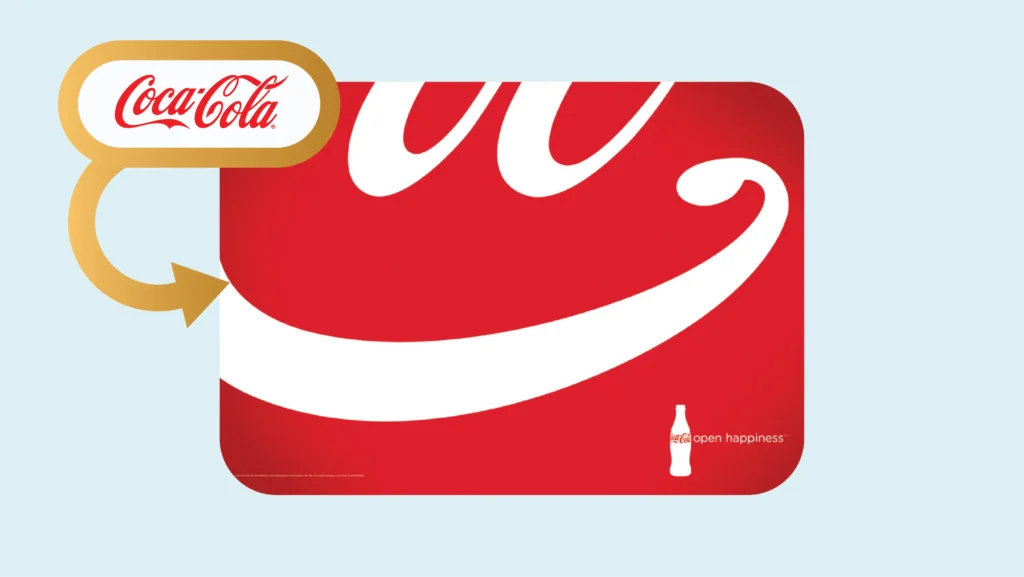
Coca-Cola isn’t just a beverage; it’s a feeling. Their brand identity is synonymous with happiness and refreshment, a core value woven into the very fabric of their existence.
From the iconic red that pops on every can to the cheerful commercials that bring smiles, Coca-Cola infuses joy into everything they do. This unwavering consistency over decades has cemented their place as a global brand icon, instantly recognizable and universally loved.
2. Apple: Simplicity Personified
Apple is a shining example of visual consistency. Its brand identity revolves around a minimalist aesthetic, clean lines, and a laser focus on user experience. This philosophy is evident in everything it produces, from the sleek curves of its iPhones to the uncluttered layout of its website.
This commitment to simplicity resonates with Apple’s target audience, reinforcing its brand image as a company that values innovation and elegance. Apple doesn’t just create products; it crafts seamless experiences.

3. M&M’s: Colorful Fun for All Ages
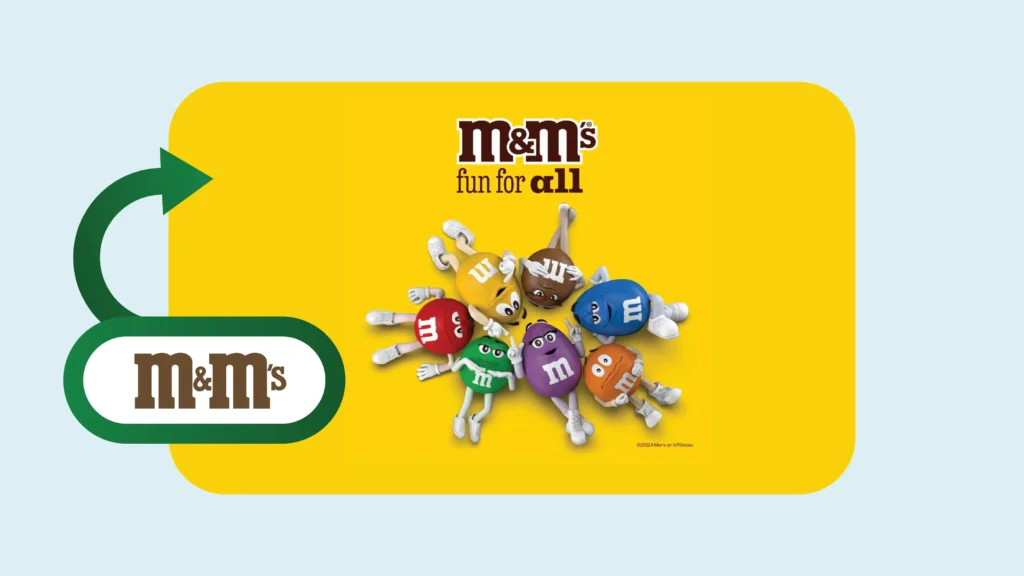
M&M’s understands the power of visual identity. Their brand is a vibrant explosion of color, brought to life by their iconic cast of candy characters. These colorful mascots consistently appear across commercials, packaging, and social media, always exuding a sense of fun and lightheartedness, which appeals to both children and adults alike, making M&M’s a candy favorite across generations.
4. Starbucks: The Coffee Brand That Everyone Loves
Starbucks has mastered the art of brand consistency. Their iconic green logo, warm color palette, and cozy café atmosphere are instantly recognizable. Even the sound design, with its signature music and gentle background noise, contributes to the overall brand experience.
Every element, from the aroma of freshly brewed coffee to the friendly service, contributes to the Starbucks experience, making it a global phenomenon.

Maintain Brand Consistency With TinyURL
Imagine turning those long, clunky URLs into sleek, branded links that proclaim your brand name to all who see them. Want to add that touch of professionalism? TinyURL’s branded domains let you create custom short links with your brand name as the domain itself to maintain brand consistency.
Talk about leaving a lasting impression!
But TinyURL goes beyond aesthetics. Our powerful link analytics give you a window into how your shortened links are performing. Gain valuable insights into what resonates with your audience and what content might need tweaking or refreshing.
Ready to embrace the power of brand consistency for your brand and take it to the next level?
Sign up for a TinyURL plan and see the difference!